Saudi Arabia's economic policy priorities
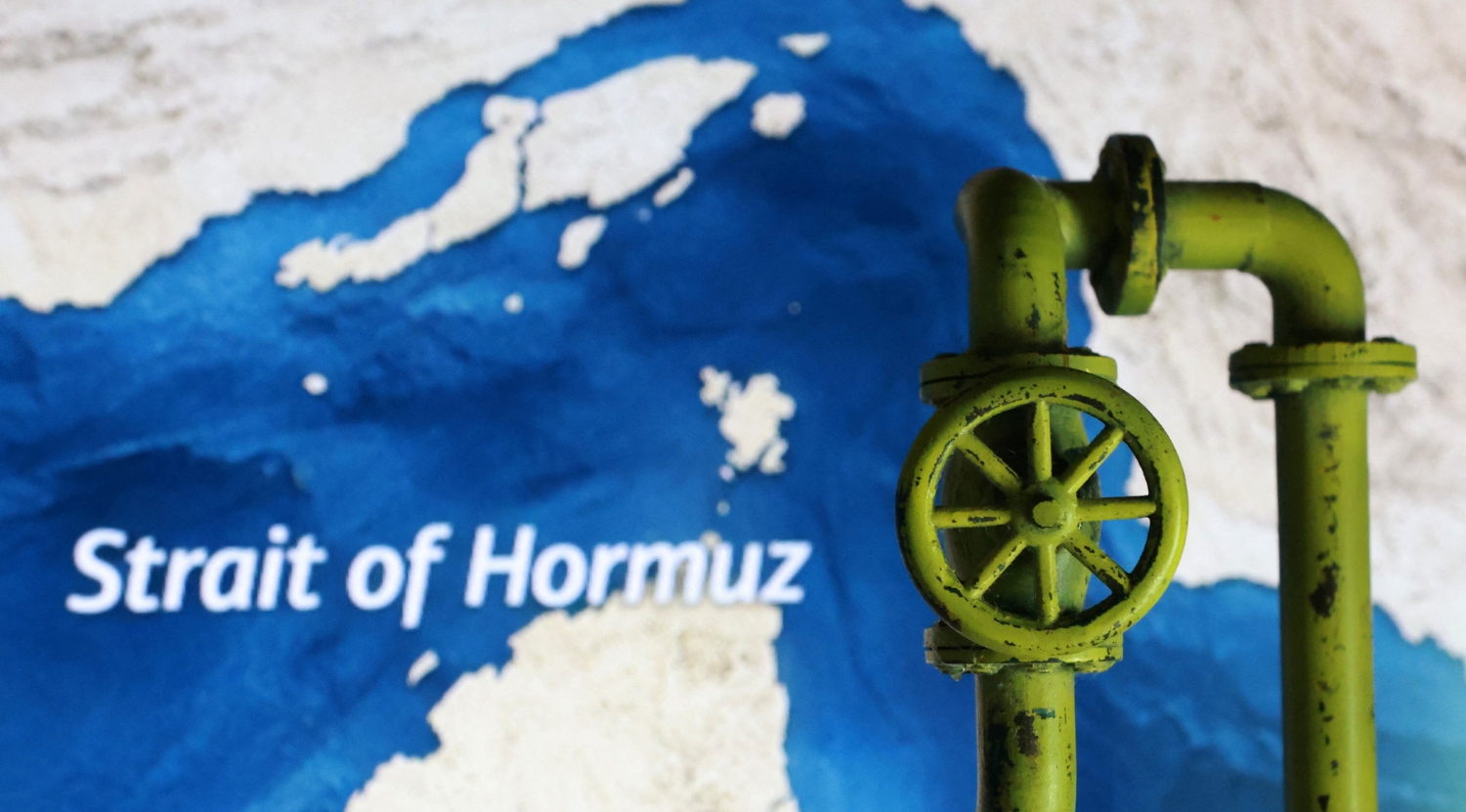
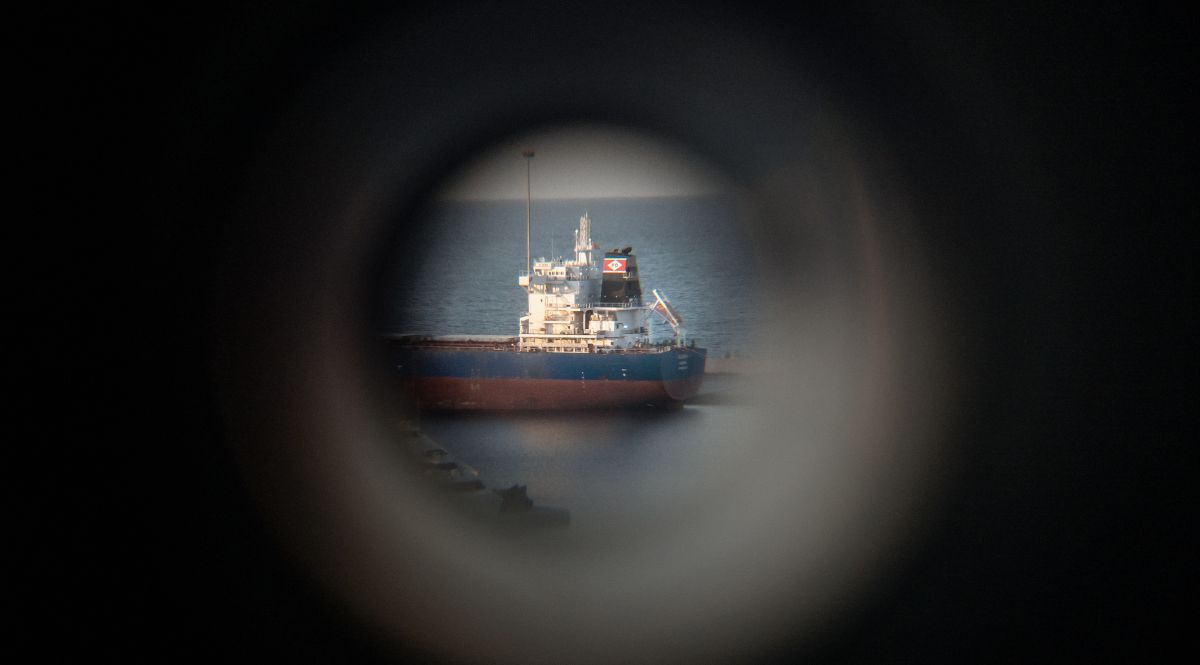
Saudi Arabia is vigorously pursuing the economic diversification plans set out in Vision 2030. The need to change the country’s economic model has been highlighted by recent events in the region—primarily the restriction of shipping through the Strait of Hormuz and Iranian attacks on Saudi critical infrastructure. Economic policy—from critical raw materials to nuclear energy—is now guided not by profit maximisation, but by considerations of national security.
 Nathan Howard / Reuters / Forum
Diversification in practice
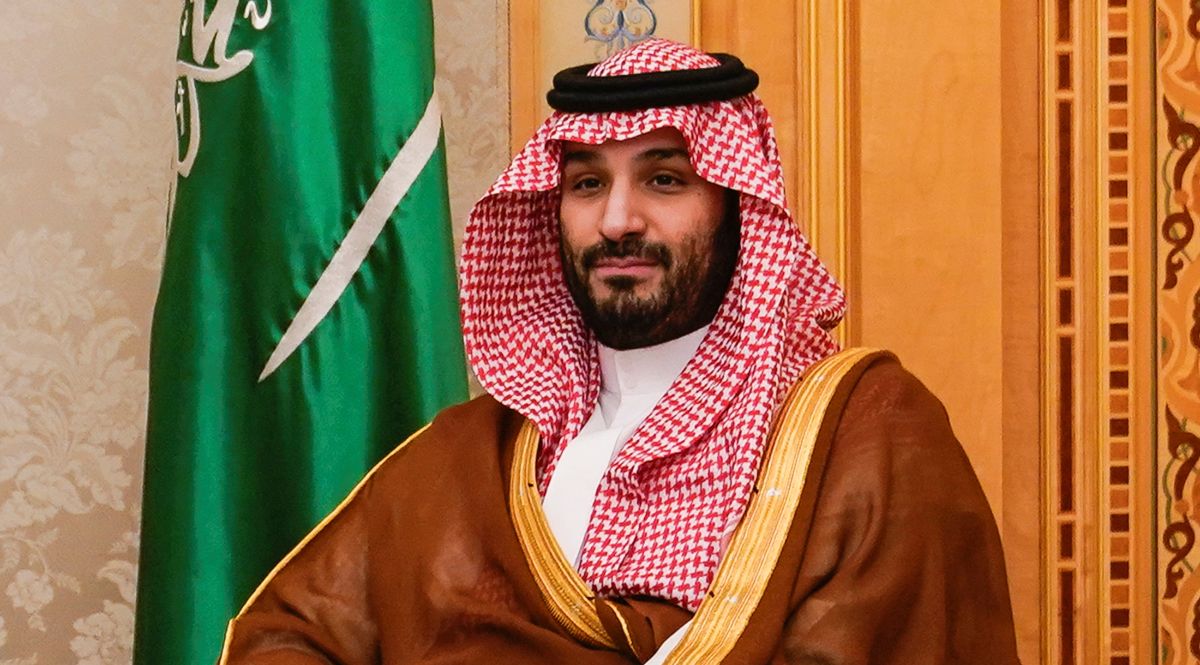
Vision 2030, the 2016 policy document which set out the Kingdom of Saudi Arabia’s (KSA) development goals for the next fifteen years, was announced at the start of Muhammad bin Salman’s reign. It places strong emphasis on moving away from an economic model dependent on hydrocarbon exports (primarily crude oil and its derivatives). As part of this initiative, projects are being implemented to stimulate the Saudi economy in other sectors—ranging from transport and logistics, through new technologies, to natural resources (e.g. copper, nickel and rare-earth metals). One of the most important tools for implementing the Vision is the sovereign wealth fund, the Public Investment Fund (PIF). The capital accumulated by the state—including from oil export revenues—is reinvested through the PIF in development projects and financial instruments (e.g. foreign state bonds).
Seeking new opportunities
Amid ongoing regional destabilisation in the Persian Gulf and growing fiscal pressures, Saudi Arabia’s economic priorities have also shifted. These changes have been driven by mounting financing difficulties, since the implementation of the Vision remains heavily dependent on access to oil export revenues. The need for strategic change has also been highlighted by the shifting balance of power in the region. During the Iran–US war, the Islamic Republic of Iran demonstrated that it was capable of exercising effective control over the Strait of Hormuz and, with the support of its Houthi allies, even of disrupting shipping through the Bab al-Mandab Strait. Consequently, the KSA, like other states in the region, has begun to prioritise minimising its economic vulnerability to disruption of these routes—both throughout the ongoing conflict and in the long term. It will also be essential to safeguard supply chains and production lines for the most important goods—food, critical raw materials, and armaments.
Against this background, the PIF has reduced the resources allocated to the development of projects of low strategic importance and with a long return on investment horizon, such as megaprojects (e.g. ‘the Line’ city in the futuristic NEOM settlement) or those with only marketing and cultural significance (e.g. the investment in the Metropolitan Opera in New York). Conversely, there has been increased interest in projects of strategic importance, such as those in the field of rare-earth metals and new technologies—including far-reaching systems for monitoring and identifying individuals, as well as civil security. Saudi Arabia’s economic diversification is thus undergoing intensive securitisation.
Partnership and competition
Unlike other countries in the region, KSA has a relatively large territory, wealth of natural resources and large domestic workforce, giving it extensive opportunities to explore both its domestic resources and third-country investment opportunities. This paves the way for multi-faceted project implementation—for example, in the field of raw materials extraction, it is possible to carry out operations on Saudi territory, make foreign investments (such as in Pakistan), and form international partnerships.
The world’s major powers are interested in cooperating with the KSA. During a visit to the United States in November 2025, Muhammad bin Salman concluded an agreement with Donald Trump on cooperation in the critical raw materials sector, and the Department of Defence, together with the American company MP Materials and the Saudi firm Maaden, established a joint venture to develop a refinery for rare-earth metals mined in the KSA. In turn, in July this year, the same partners signed a cooperation agreement on the development of civil nuclear technology. At the same time, the KSA maintains close economic ties with China. According to official KSA statistics for 2024, the People’s Republic of China accounted for almost 23 % of all Saudi exports (primarily fuels), whilst almost 35 % of goods imported into KSA originated from China (primarily machinery and vehicles). Furthermore, China is investing heavily in the Saudi technology and energy sectors, positioning the country as a key component of the Belt and Road Initiative. Saudi Arabia is also developing projects with technology companies from Europe and East Asia. Since 2015, the PIF has also been collaborating with its counterpart—the Russian Development Fund—on projects in the energy sector.
Saudi economic policy is also influenced by competition with its neighbours. The countries of the Peninsula—in particular the United Arab Emirates (UAE), which has similar regional ambitions—are competing for foreign investment, for example in attracting new technologies, logistics projects and tourism. Both the KSA and the UAE are attempting to extend their influence beyond the Gulf, for example in the Horn of Africa. However, whilst the UAE, due to its small territory, is heavily focused on developing overseas projects (e.g. through the port management company DP World), the KSA can draw on its own resources. Consequently, Saudi Arabia is keen to regulate the supply of oil and maintain high prices on global markets, which caused the UAE’s recent withdrawal from OPEC.
Challenges and risks
The implementation of Vision 2030 is not proceeding according to plan. Areas where progress is delayed include foreign investment (in 2025, the share of foreign investment in KSA’s GDP stood at 2.8 per cent, whilst the annual target was 3.4 per cent) and the share of non-hydrocarbon goods in total Saudi exports (in 2025 it stood at 22 per cent, although the target was as high as 38 per cent). Furthermore, the success of the KSA strategy remains dependent on revenue from crude oil exports, whilst the protracted Iranian-American conflict will have a negative impact on the inflow of foreign investment, making it more difficult to raise capital. In addition, high expenditure in the state sector and support for non-industrial areas—administration, public services and the promotion of the national brand—combined with a reluctance to raise public levies (particularly taxes) is straining the state’s fiscal position, leaving the PIF with fewer financial resources at its disposal.
Prospects for international cooperation
As part of its economic diversification efforts, Saudi Arabia is seeking partners from a wide range of entities. Although the Kingdom’s security architecture is based primarily on cooperation with the US, in the economic sphere it maintains good relations with a larger group of partners, particularly those outside the US sphere of influence. This, in turn, strengthens the network of ties linking the Kingdom with states with diverse interests. As a result, the stability and security of Saudi Arabia are becoming important to decision-makers in many parts of the world who are keen to gain access to Saudi capital.
For the European Union, Saudi Arabia’s new development trajectory may present an opportunity to strengthen cooperation. The EU is seeking diverse economic partnerships to secure its own supply chains, and it also holds the technological know-how that Saudi Arabia requires to drive its transformation. To this end, formal ties should be developed, such as a strategic partnership agreement (the European Commission was given a mandate to negotiate this with the KSA in July 2025) or by initiating negotiations on a free trade agreement. This package of agreements would enable the EU to pursue its economic security objectives—access to raw materials, including non-hydrocarbon resources, and to transhipment hubs, on preferential terms. It would also allow for deeper cooperation on security matters (such as the exchange of intelligence or cybersecurity), for example, modelled on the Security and Defence Partnership Agreement between the EU and India signed in January this year. Polish businesses stand to benefit primarily from technological partnerships, as well as from increased exports of food and agricultural products to the KSA.
Closer ties will also provide an opportunity to promote the European perspective on Russian aggression against Ukraine. In any potential agreements, the EU should negotiate the inclusion of provisions on sustainable development and press for higher standards of human rights protection in the KSA, particularly with regard to the functioning of the justice system, the severity of penalties imposed and the frequency of executions.
Selected projects implemented as part of the KSA diversification strategy
| Area | Selected projects | PIF entity[1] | Selected partners |
|---|---|---|---|
| Critical minerals | Establishment of an integrated supply chain and refining of rare-earth metals, production of permanent magnets | Maaden, Manara Minerals | The US Government and MP Materials (USA) |
| Digitalisation of mines | Maaden | Hexagon (Sweden) | |
| Nuclear energy | Development of the civil nuclear programme | none (probably due to the recent conclusion of the first agreements) | US Government |
| New technologies, AI, digitalisation, robotisation | Lenovo’s technology and manufacturing centre | Alat | Lenovo (China) |
| Manufacture of industrial robots | Alat | Softbank Group (Japan) | |
| Smart solutions for city and building monitoring | Alat | Dahua Technology (China) | |
| Surveillance and security system services | SAFE | Leidos (USA), Intelligent Security Systems (US), Thales (France) | |
| Development of AI-based management systems | Humain | Amazon Web Services (USA), AMD (USA), Nvidia (USA), Accenture (USA) | |
| R&D and commercialisation in the field of AI | SenseTime MEA | SenseTime Group (China) | |
| Green energy | Reducing carbon dioxide emissions in phosphate production | Maaden | Metso (Finland), thyssenkrupp Uhde (Germany) |
| Green energy production for KSA and overseas markets | Acwa | Projects including in Azerbaijan, China, Jordan and Uzbekistan; various subsidiaries, also in Poland | |
| Water desalination | Acwa | E.g. projects in Syria | |
| Logistics and transport | Development of its own airlines | Riyadh Air | Saudia (including Saudia Cargo and the low-cost carrier flyadeal), National Air Services Company (flynas—a private company) (KSA) |
| Development and management of the container terminal at King Abdul Aziz Port in Dammam | Saudi Global Ports Company | PSA International (Singapore) | |
| Manufacturing capacity | Development of the Saudi automotive sector / Stakeholdings in automotive companies | Tasuru Mobility Investments | Bahri (KSA) and MSOLOF (Germany) |
| Marine engine production | Dussur (stake in Makeen) | Saudi Aramco Development Company (KSA), Hyundai Heavy Industries (South Korea) | |
| Tourism, urban development, pilgrimage sector | Mega urban development projects (e.g. Neom, New Murabba), tourist attractions (e.g. The Rig) | NEOM, New Murabba, The Rig, Soudah Development, Roshn Group and others | - |
| Food | Production and marketing of Saudi coffee | Saudi Coffee Company | Shahia Food Company, a local franchisee of, amongst others, Dunkin’ Donuts (KSA), Maaden (KSA) |
| Promotion of smoking cessation and the production of healthier nicotine products | Badael Company | General Entertainment Authority (KSA) | |
| Financial services | Development of digital Islamic banking | D360 Bank | Derayah (KSA) |
| SME project financing | Bidaya Finance Company | Local and regional investment firms | |
| Seeking investment opportunities in Russia | None (direct equity investment by PIF) | Russian Direct Investment Fund (Russia) | |
| Property and construction | Construction and development of the financial district in Riyadh | King Abdullah Financial District, Tadawul Real Estate Company | Including Henning Larsen Architects (Denmark) |
| Development of financing for the purchase of residential property | Saudi Real Estate Refinancing Company | Local and regional banks |