Ukraine v. Russia Verdicts Produce Limited Results
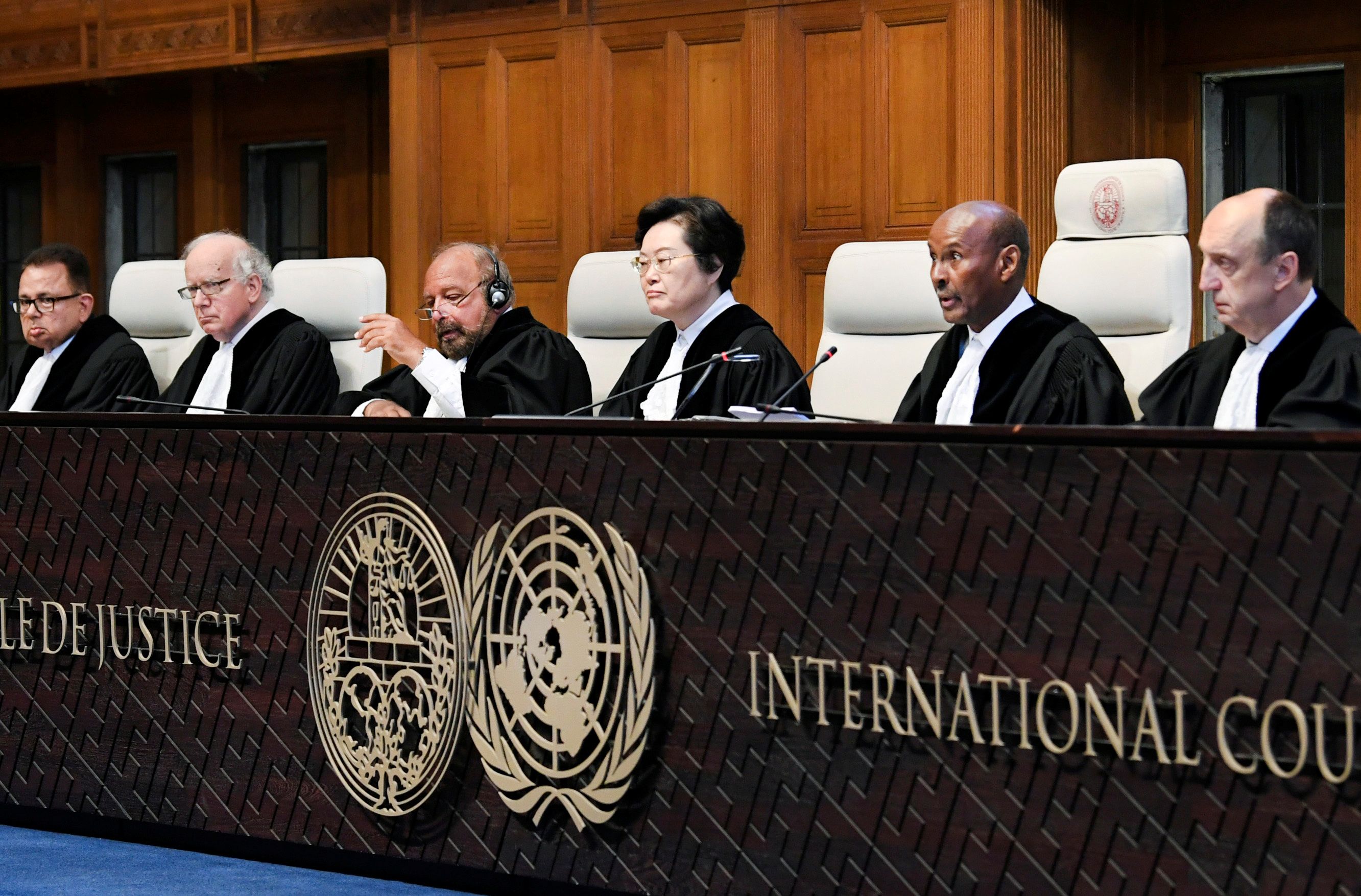
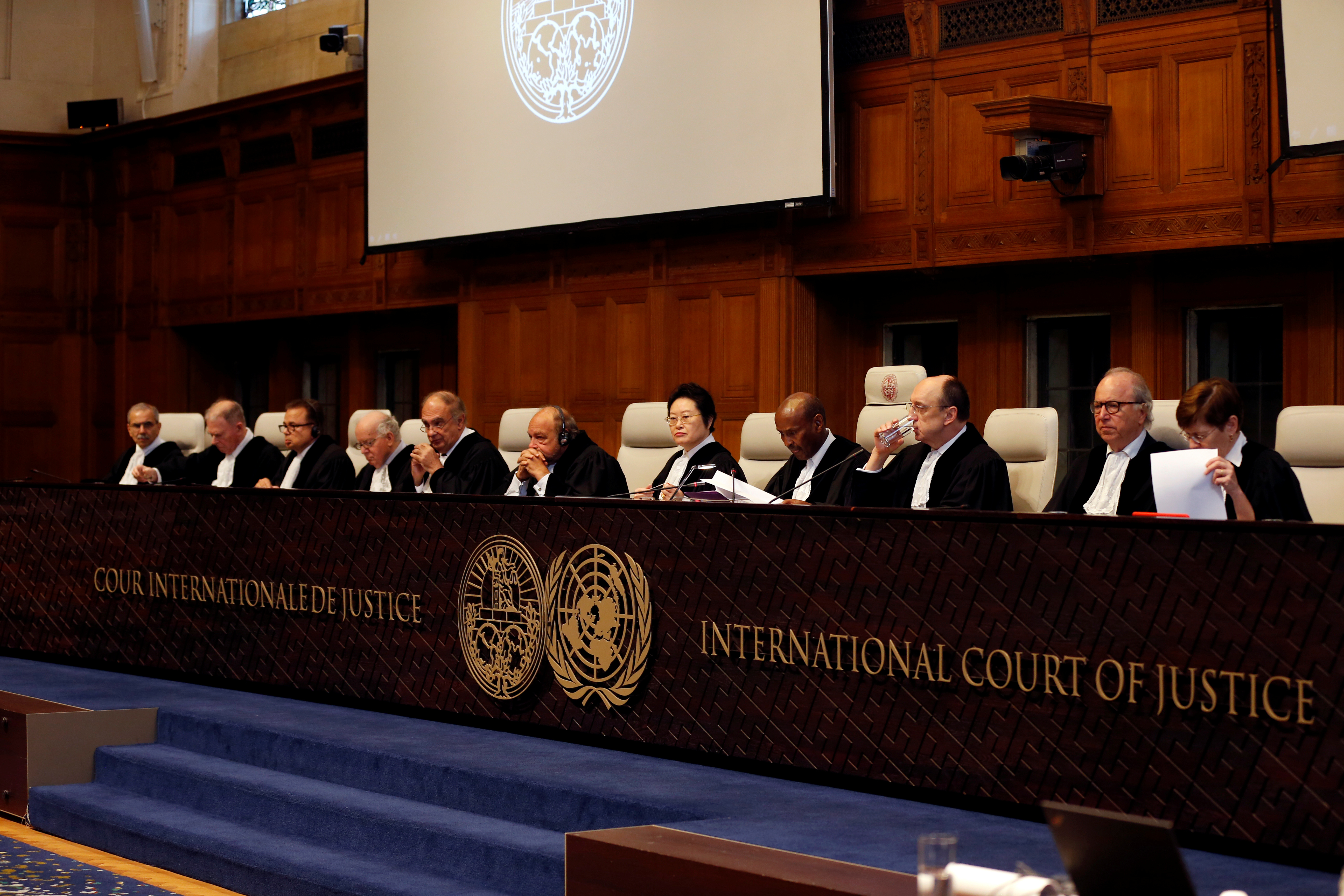
On 31 January and 2 February, the International Court of Justice (ICJ) handed down judgments in cases brought by Ukraine against Russia following the 2014 and 2022 acts of aggression. Both judgments are only ostensibly favourable to Ukraine, upholding some of its claims but rejecting the main ones. However, the failure is the result of the narrow scope of the conventions that Ukraine has been using to prosecute Russia. The inability of the ICJ to establish Russia’s responsibility for the deaths and losses caused by the war it initiated in Ukraine confirms the validity of efforts to establish a separate court for this purpose.
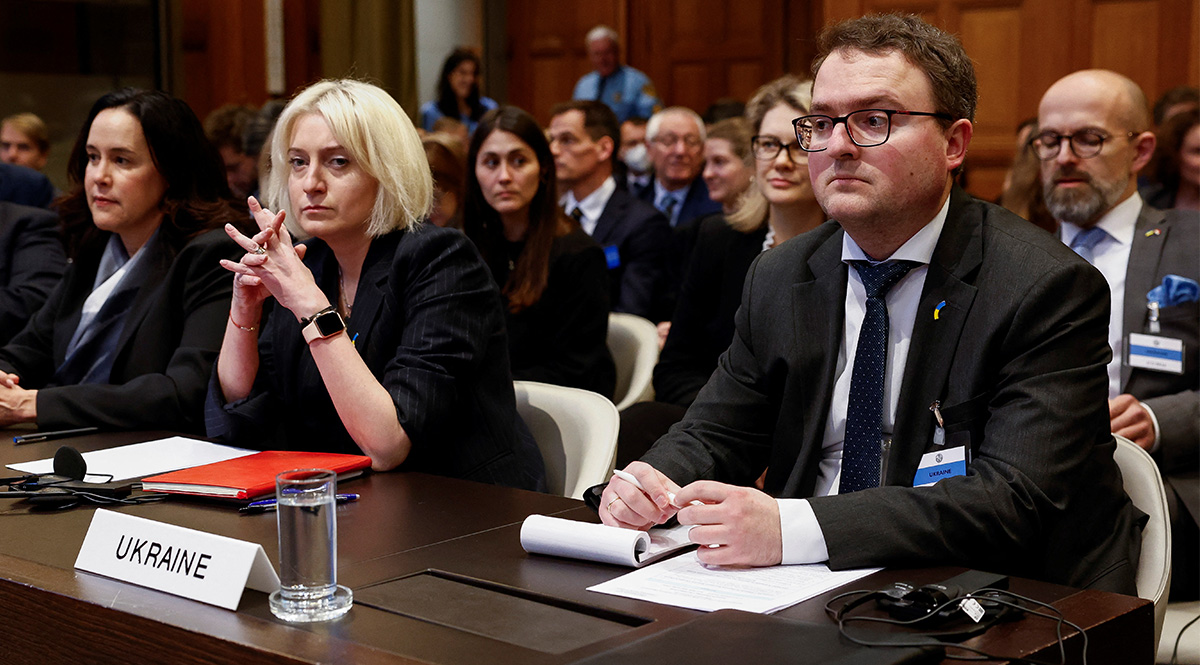 PIROSCHKA VAN DE WOUW / Reuters / Forum
What was the first case about?
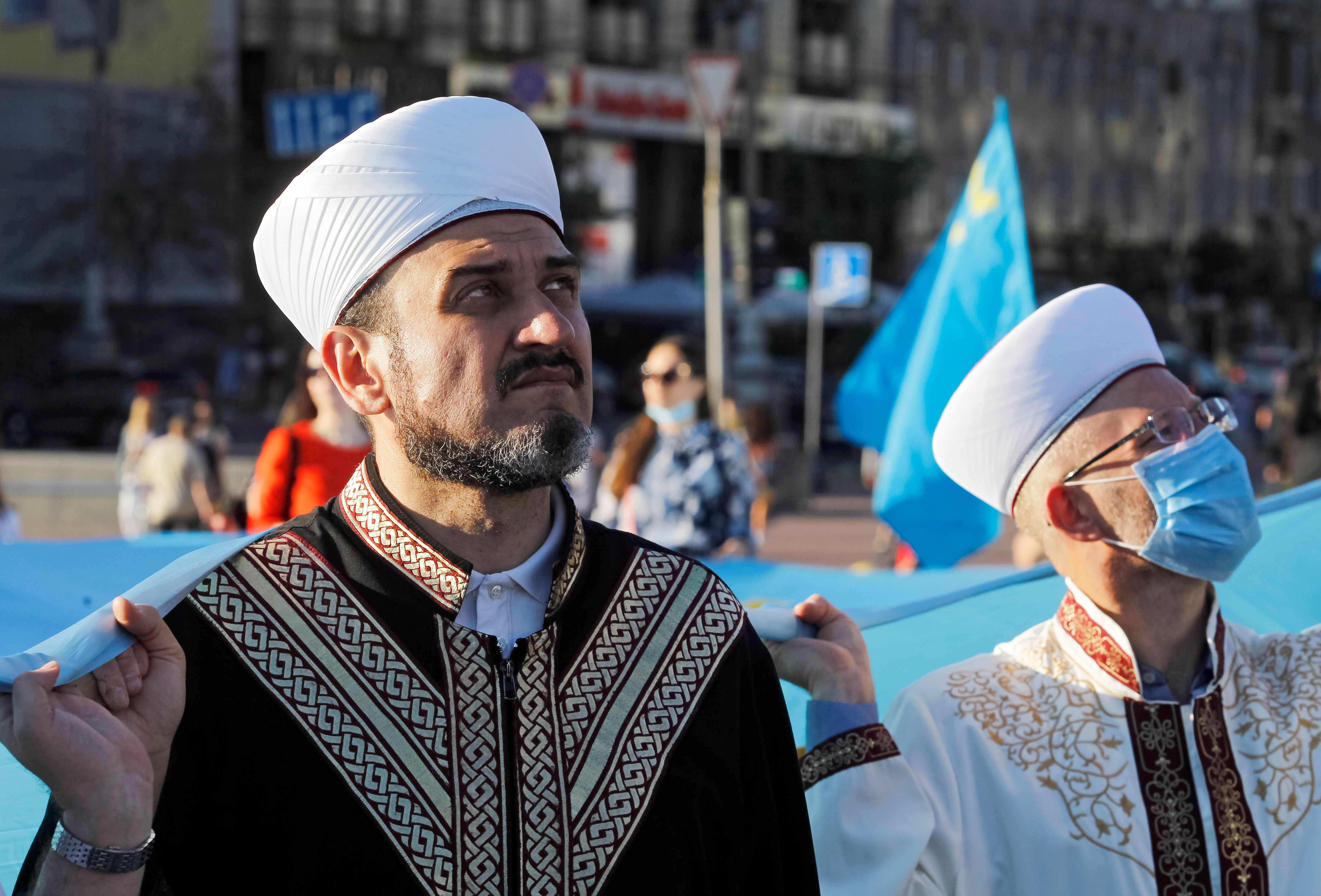
In the first case, initiated in 2017, Ukraine sought a declaration from the ICJ that Russia had violated two international treaties: the 1965 Convention on the Elimination of All Forms of Racial Discrimination (CERD) and the 1999 Convention for the Suppression of the Financing of Terrorism (ICSFT). In the case of CERD, it accused Russia of systematic discrimination against Ukrainians and Tatars in Crimea. This included the banning of the Tatar representative office in Crimea, known as the Majlis; suppression of freedom of expression; restrictions on educational, cultural, and social activities; and persecution, up to disappearances and murders. In the case of the ICSFT, Ukraine was counting on the ICJ to declare the illegality of Russia’s financial, training, and material support to the “people’s republics” in the Donbas. It expected that Russia would be held responsible for, among other things, the downing of flight MH17 in 2014 or the attacks on the civilian populations of Mariupol and Kramatorsk in 2015. It also claimed that Russia unlawfully refused to prosecute private individuals suspected of financing terrorism. It demanded an end to unlawful actions and reparations for the victims of these violations.
What was the second case about?
In the second case, initiated at the end of February 2022, Ukraine sought a declaration from the ICJ that it had not committed acts of genocide within the meaning of the 1948 Convention on the Prevention and Punishment of the Crime of Genocide in its Donetsk and Luhansk regions. It also demanded a declaration from the ICJ that Russia had recognised the independence of the “people’s republics” in February 2022 and had launched a so-called “special military operation” under the false pretext that genocide was being committed in the Donbas and that Russia’s actions were therefore contrary to the 1948 Convention. Consequently, the Ukrainian authorities expected the ICJ to demand that Russia immediately halt the use of force against Ukraine and provide guarantees that it would not use it further, withdraw its troops from Ukrainian territory, revoke its recognition of the “people’s republics”, and pay compensation for all damage caused.
What position did the court take?
In its judgment of 31 January, the ICJ supported Ukraine’s allegations that the restrictions on the Majlis and education in the Ukrainian language were contrary to the CERD. It demanded the cessation of these violations. However, it dismissed the remaining allegations as either insufficiently proven or unrelated to CERD (noting, for example, that restrictions on assembly in Russia are generally severe and those in Crimea were not necessarily based on ethnic criteria). The court also found that Russia violated the ICSFT because it failed to undertake investigations into those who may have funded terrorism, and ordered Russia to do so. However, it also found the rest of Ukraine’s claims to be either poorly proven or not covered by the ICSFT (pointing out, among other things, that the Convention only applies to the support of terrorism by private actors, not states).
In its 2 February judgment, the ICJ ruled that it had jurisdiction to determine whether Ukraine had indeed committed genocide in Donbas. However, it declined to rule on the illegality of the recognition of the “people’s republics” and the hostilities undertaken by Russia, as these did not, in its view, implicate the 1948 Convention.
Although Russia has boycotted some international courts in the past, its representatives took part in both proceedings before the ICJ.
How can these judgements be assessed and what are their implications?
Ukraine based its complaints to the ICJ on the CERD, ICSFT, and 1948 Convention because these treaties allow unilateral suits against another state without its explicit consent. There are few such treaties, so Ukraine tried to attribute as much Russian action as possible under the provisions of these three conventions. It has succeeded to some extent, but both judgments are also a moderate failure for Ukraine. This is especially true of the preliminary judgment of 2 February that shows that Ukraine and the 32 intervening states on its side (including Poland) failed to find a legal “wicket” to establish Russia’s responsibility and impose on it reparations for initiating the war. Therefore, a future final judgment in this case will not become the basis for transferring Russia’s frozen assets to Ukraine. All the more reason, then, for separate efforts to set up a tribunal to weigh the damage of the aggression against Ukraine. Moreover, because of the ICJ’s refusal to assess the legality of the hostilities, the 2 February verdict may prompt it to lift its order directing Russia to halt the use of force immediately, which it issued in 2022. The war launched by Russia remains, however, illegal under, among other things, the UN Charter.