The Yemen conflict enters a new phase
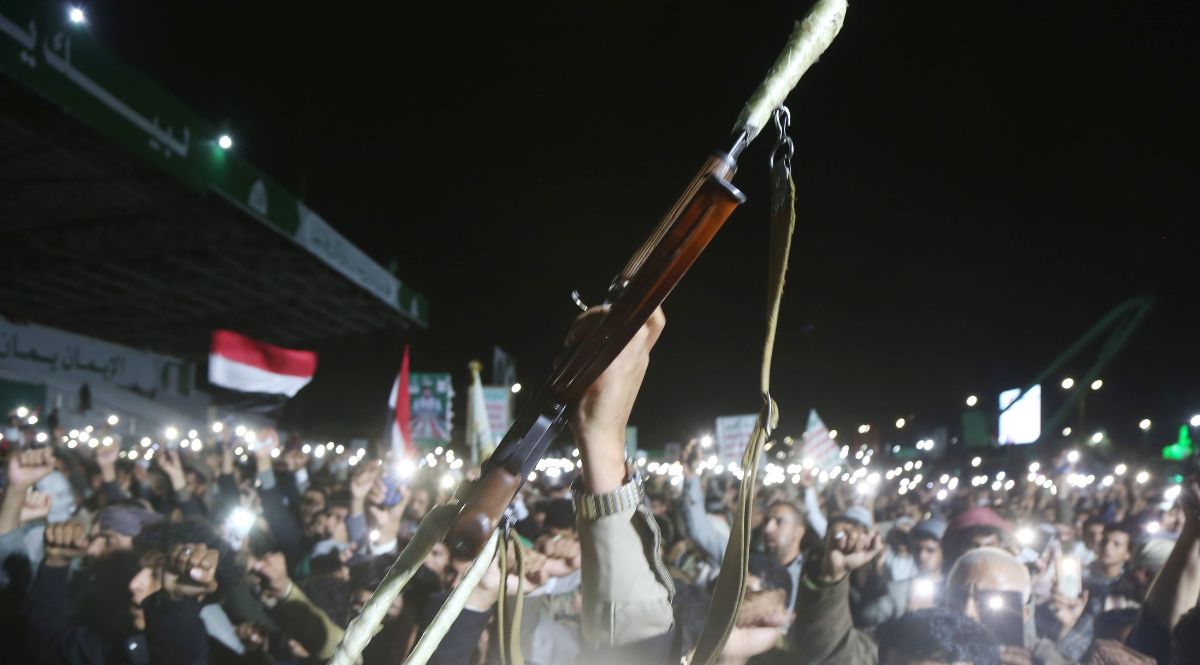
The civil war in Yemen intensified in the first half of September. The Iran-backed Houthis conducted an offensive that led to them taking control of almost the entire Red Sea coastline of Yemen. The conflict is playing out against the background of a protracted stalemate in the war with Iran. It calls into question the effectiveness of the Mecca Pact and the US’s role as a regional guarantor of security. The fighting has had an immediate negative impact on the global economy, the effects of which will also be felt in Europe.
 Mohammed Mohammed / Xinhua News Agency / Forum
What happened?
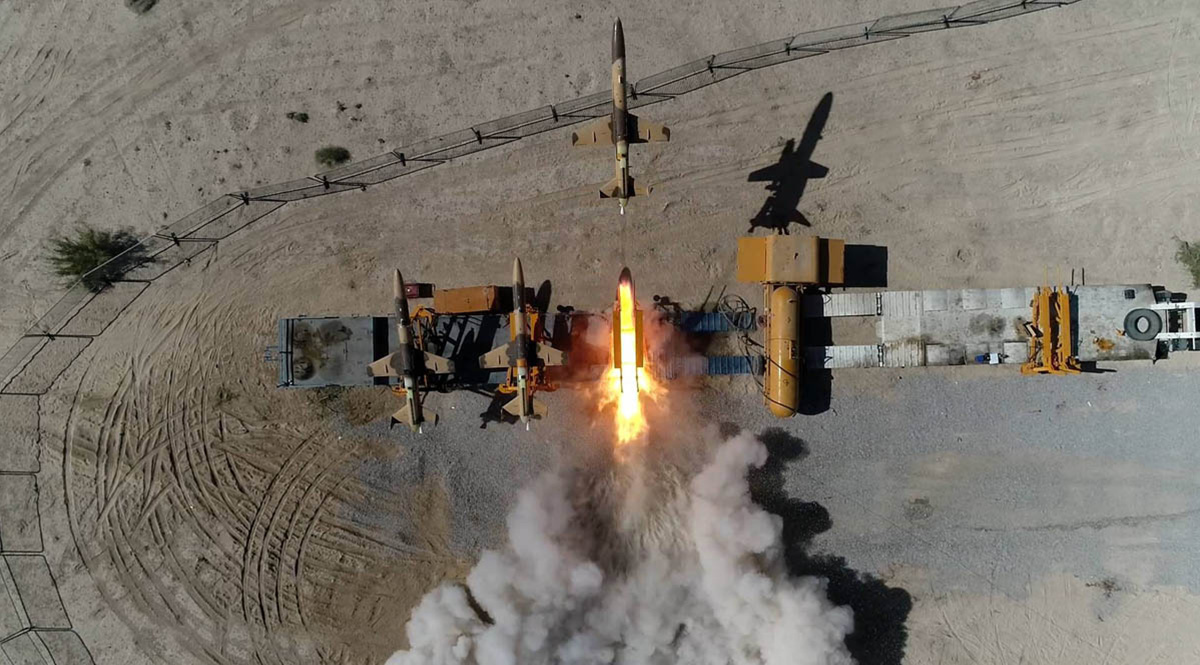
Following the bombing of Sana’a airport by Saudi Arabia (KSA) in mid-July, the conflict—which had been dormant for around four years—began to intensify. In early September this year, it escalated into regular clashes between the Houthis and the Saudi-backed government forces of the Presidential Leadership Council, as well as the pro-government National Resistance Forces. On 8 September, the Houthis attacked targets in Saudi Arabia (Jazan, Abha, Najran, energy infrastructure), and over the following days made significant territorial gains, having claimed the port of Mocha and the island of Perim, situated at the entrance to the Bab al-Mandab strait, by 11 September. In doing so, they expanded their ability to control and potentially block the strait. The Houthis employed new technologies in the attack: the Claude large language model was used to programme missiles. There were also reports that one of the reasons for the rapid offensive on the Red Sea coast was the preparation of a deepfake voice recording of the leader of the National Resistance Forces, purportedly calling for a retreat.
Why has there been an escalation now?
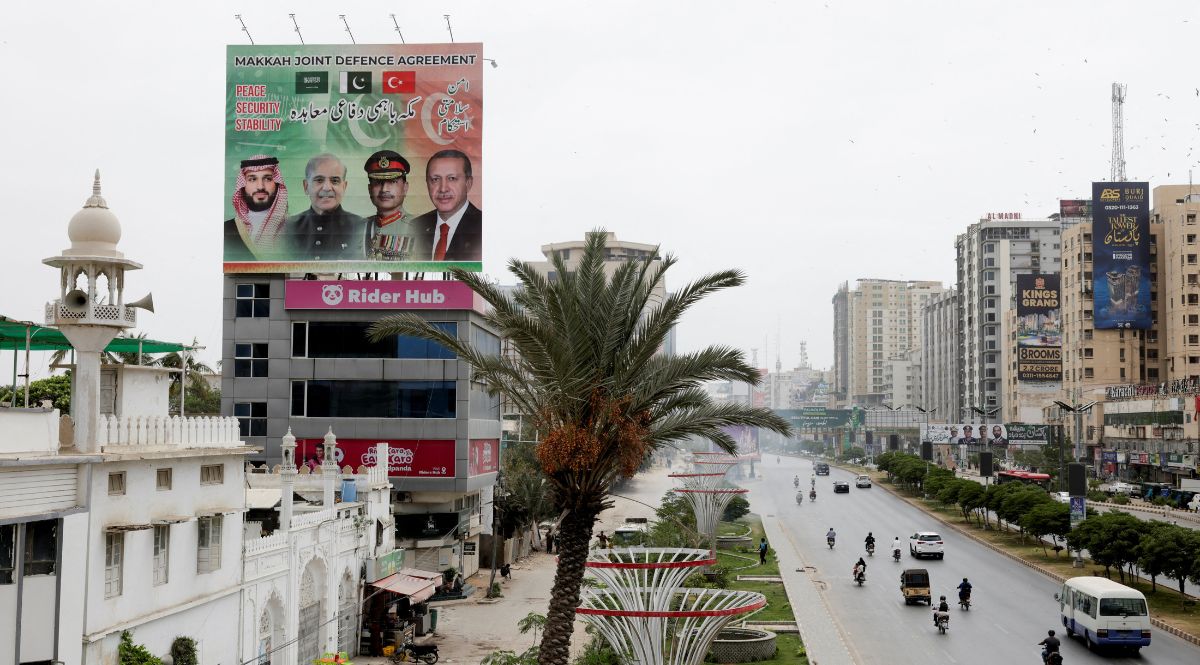
The escalation of the conflict is linked to the prolonged deadlock in US-Iran negotiations and is intended to put pressure on the Americans. The Houthis, as an Iran-aligned group, are dependent on their patron’s resources and short-term interests, although they also pursue their own objectives relating to maintaining and expanding the territory under their control. The Houthis have exploited the internal weakness of the opposing coalition: in January 2026, Emirati forces, under pressure from Saudi Arabia, withdrew from the islands of Perim and Mokka, leaving a security gap. The latest escalation is also intended to allow Iran and its allies to test how the Mecca Pact will function in practice. Its members—the KSA, Turkey and Pakistan—have declared that an attack on one of them will be an attack on all. So far, neither Türkiye nor Pakistan has become militarily involved, and they are trying to avoid becoming embroiled in this potentially protracted conflict. The hope is that military operations will not spill over into Saudi territory, which—according to a statement by the Pakistani defence minister on 8 September—would trigger the mutual defence provisions, but would require an explicit request from the KSA.
How will these events affect the security architecture in the region?
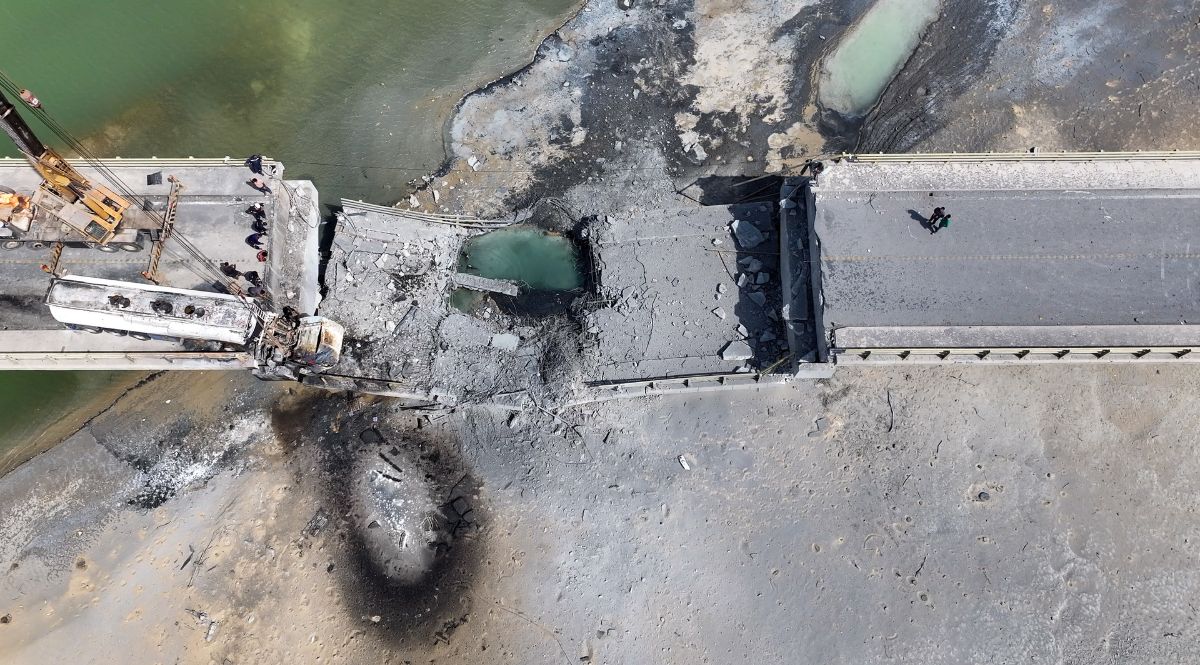
The escalation in the south of the Peninsula poses a threat primarily to the KSA, which views the Houthis as a threat to national security. On 11 September, it was the target of a drone attack, believed to have been launched from Iraq, which caused extensive damage to the Petroline pipeline, the most important alternative transport route to the Strait of Hormuz. The lack of clear support from Mecca’s allies Türkiye and Pakistan means that the influence of this new regional security axis is waning. Furthermore, the intensification of the conflict in Yemen will make it more difficult to break the deadlock on the other side of the Peninsula. The vulnerability of ships to attacks in the Gulf of Aden and the Red Sea increases the costs of the war with Iran for states in the region. It also reinforces the perception that the United States is ineffective as the main guarantor of security for the Gulf Cooperation Council (GCC). Although a counter-offensive by PLC forces, supported by Saudi air strikes on Houthi positions deep within Houthi-controlled areas, is expected, it is unclear whether they will succeed in recapturing the lost territory in the coming days.
The resumption of the civil war will negatively impact the humanitarian situation in Yemen, which has remained catastrophic since the outbreak of the civil war. According to UNICEF data, almost half of the country’s population struggles with food insecurity, whilst educational and employment opportunities, as well as access to healthcare, are limited. The number of new refugees is also rising—the International Organisation for Migration has indicated that over 82,000 people have been displaced since the beginning of September alone. One of the migration routes leads to the Horn of Africa, which has been receiving refugees from Yemen since the Saudi intervention in 2015.
What are the possible consequences of this escalation for Europe?
From a European perspective, the most significant—and most negative—consequence of the escalation of the conflict in Yemen is the Houthis’ ability to effectively close the Bab al-Mandab Strait. This is important for global trade, as it forms part of the maritime route linking Asia with Europe via the Red Sea and the Suez Canal. The alternative route, which goes round the African continent, is up to two weeks longer and therefore more expensive. The increased risks of using the shorter route will therefore have negative economic consequences. Combined with the attack on Petroline, the territorial expansion in early September has also triggered a rise in oil prices on global markets, which will contribute to a further increase in the prices of fuel and other commodities. Investor anxiety was further heightened by Oman’s 14 September announcement postponing talks between the GCC states and Iran, which were set to discuss a new model for managing the Strait of Hormuz, as well as attacks on ships in the region.