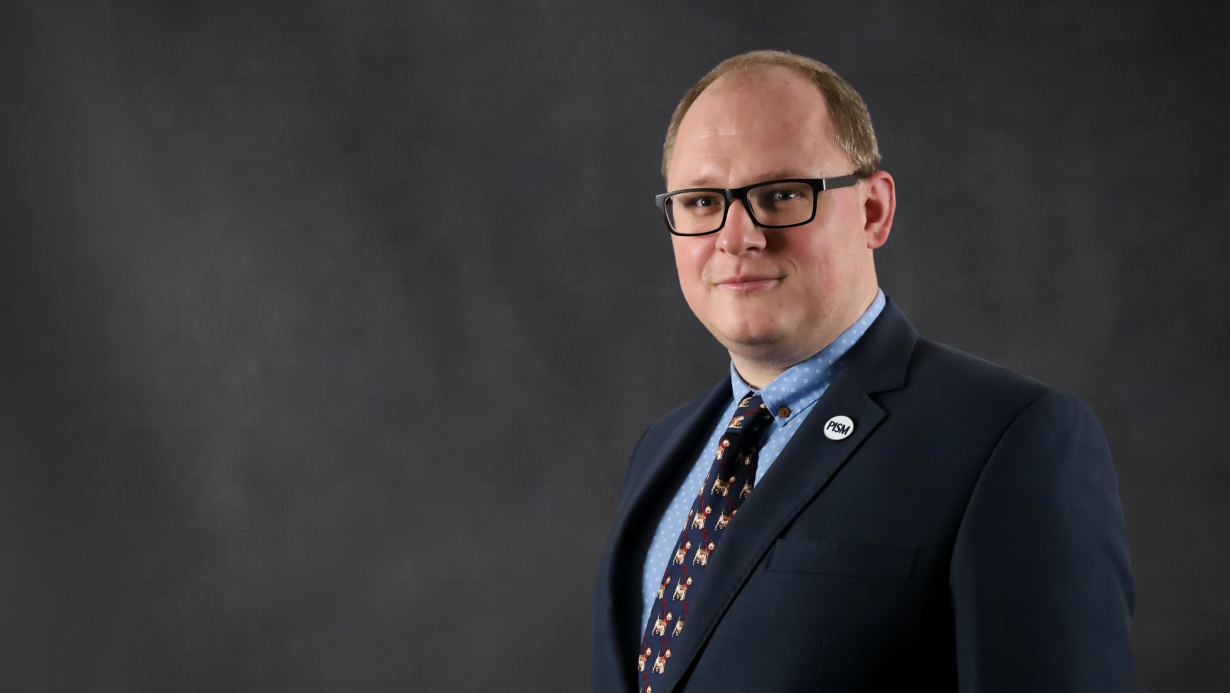
Vasile Tofan to lead Moldova's new pro-European government
Sworn in on 22 July 2026, the cabinet of Vasile Tofan – an independent businessman – is set to help President Maia Sandu’s ruling Party of Action and Solidarity (PAS) overcome the image crisis triggered by corruption and cronyism scandals. The Prime Minister’s business experience is expected to facilitate Moldova’s accession negotiations with the European Union, revitalise the economy and implement unpopular reforms.
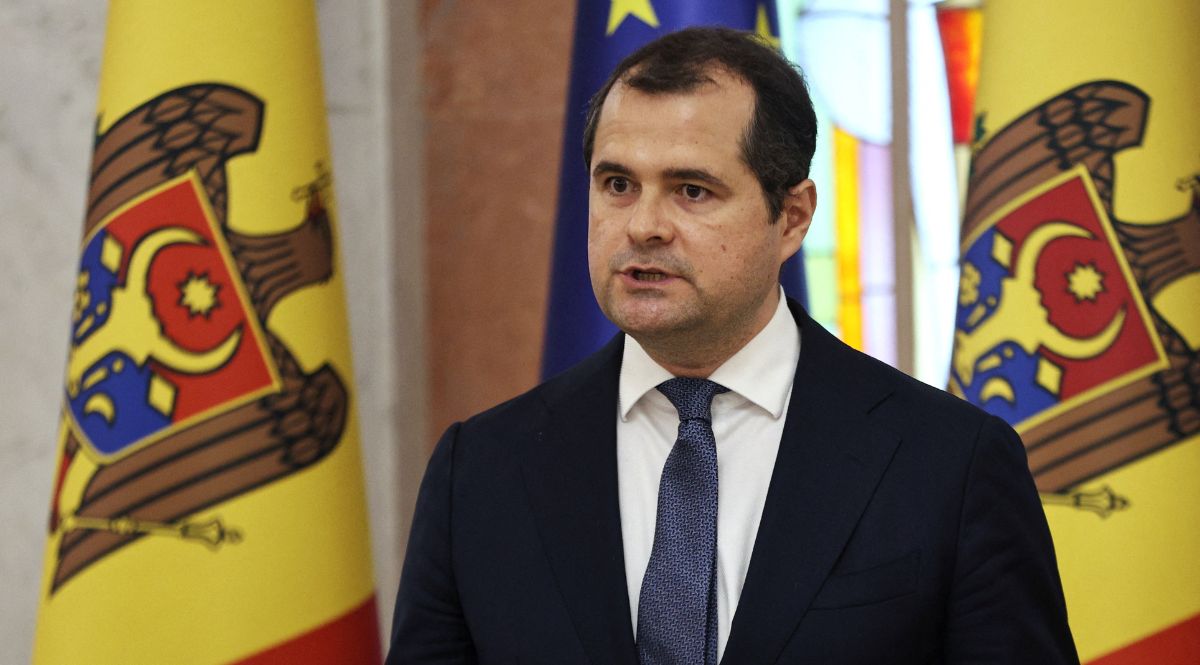 Vladislav Culiomza / Reuters / Forum
Why did the previous prime minister resign?
Alexandru Munteanu, who had led the PAS government since November 2025, stepped down on 3 July, explaining that he could not carry out his mandate “in accordance with his principles and values.” A few days later, he also refused to serve as caretaker prime minister. He was likely driven by bitterness at the lack of support from President Sandu and the PAS, including his rejected calls for personnel changes within the government and subordinate institutions. The party also criticised the fiscal reform being prepared by Munteanu, which was unpopular with the public (including a rise in VAT from 8% to 20% on items such as food and medicines). The immediate trigger for Munteanu’s resignation was a string of corruption and cronyism scandals at the state air traffic control authority MoldATSA (which implicated a relative of Sandu) and the Ministry of Agriculture. The President dismissed media reports that PAS was obstructing Munteanu’s efforts to radically purge the administration, instead accusing him of moving too slowly with reforms required to bring the country closer to EU membership.
Why did President Sandu appoint Tofan as Prime Minister?
Tofan, who holds pro-European views and sympathises with PAS, had regularly appeared in internal party discussions as a potential candidate to lead the cabinet since the administration took power in 2021. By appointing him, Sandu is attempting to replicate the political manoeuvre that once underpinned Munteanu: nominating a non-partisan technocrat to enable PAS to distance itself from previous scandals and the perception of incompetence. At the same time, the lack of a support base for the prime minister within the party is intended to keep him dependent on the president and PAS, and to enable them to shift their responsibility for potential failures onto him. The smooth implementation of reforms is expected to be facilitated by Tofan’s international business experience (he has managed, amongst others, Horizon Capital, one of the largest investment funds in Central Europe) and his image as an uncompromising manager—he cited the rule of Javier Milei in Argentina as a model for economic recovery, although he walked these opinions back after being appointed prime minister.
What are the new government’s key domestic policy challenges?
The new Prime Minister’s main task is to rebuild citizens’ trust in the state and to boost its development – it was only in 2025 that Moldova began to emerge from crisis, with GDP growth of 2.4 per cent. By contrast, in 2024 the figure was 0.1 per cent, and in 2023 it was 0.7 per cent, but in 2022 the economy plunged into a recession of 4.6 per cent. To achieve development and public trust, the government intends to amend business regulations to make them ‘the most business-friendly in Europe,’ alongside restructuring and privatising unprofitable state-owned enterprises, reducing bureaucracy, and digitising public administration, particularly in the areas of taxation and customs. The Prime Minister has not taken a clear stance on his predecessor’s fiscal reform plans, but he has not definitively ruled out a tax increase, and has also announced plans to broaden the tax base. Tofan also intends to carry out the long-delayed reform of territorial division and local government, which is currently fragmented and inefficient. Prior to his appointment, he cited the “Baltic states model” as an example, based on the decentralisation of finances and powers coupled with a radical reduction in the number of administrative levels and units.
What are the European policy objectives of the Tofan government?
Tofan has declared EU integration to be a strategic aim of Moldova. Key politicians involved in this process retain their posts in his new government: Mihai Popşoi, Deputy Prime Minister and Minister for Foreign Affairs, and Cristina Gherasimov, Deputy Prime Minister and Head of the Bureau for European Integration, who is the chief negotiator with the EU. The Prime Minister reiterated his commitment that Moldova would open all negotiation chapters by the end of 2026, conclude negotiations and be ready to sign the accession treaty by 2028, and join the EU in 2030. The experiences of the Western Balkan states suggest that this timeline may prove to be overly optimistic. An additional challenge for Moldova is that the EU continues to link it with Ukraine in an informal integration tandem, meaning that the likely faster progress by Moldova in the negotiations could be held back by any delays on the Ukrainian side. So far, Moldova has opened two clusters (1—fundamentals, and 6—external relations), but according to the European Commission, it is also technically ready to open the remaining four. Within the first cluster, the key issue remains Moldova’s need to complete judicial reform, which would enable an effective fight against corruption, oligarchic networks and Russian attempts at destabilisation. A crucial element required for this reform to be successful is completion of the protracted vetting process to assess the integrity of judges and prosecutors.