The sixth round of Belarusian-American talks
On 19 March, further talks took place in Minsk between Alexander Lukashenka and the envoys of Donald Trump, John Coale and Christopher Smith. These resulted in the release of a further 250 political prisoners and the lifting of US sanctions on part of the Belarusian banking sector. Lukashenka will seek to use his planned visit to the US to strengthen his domestic and international position.
 Janis Laizans / Reuters / Forum
What was discussed and what decisions were taken?
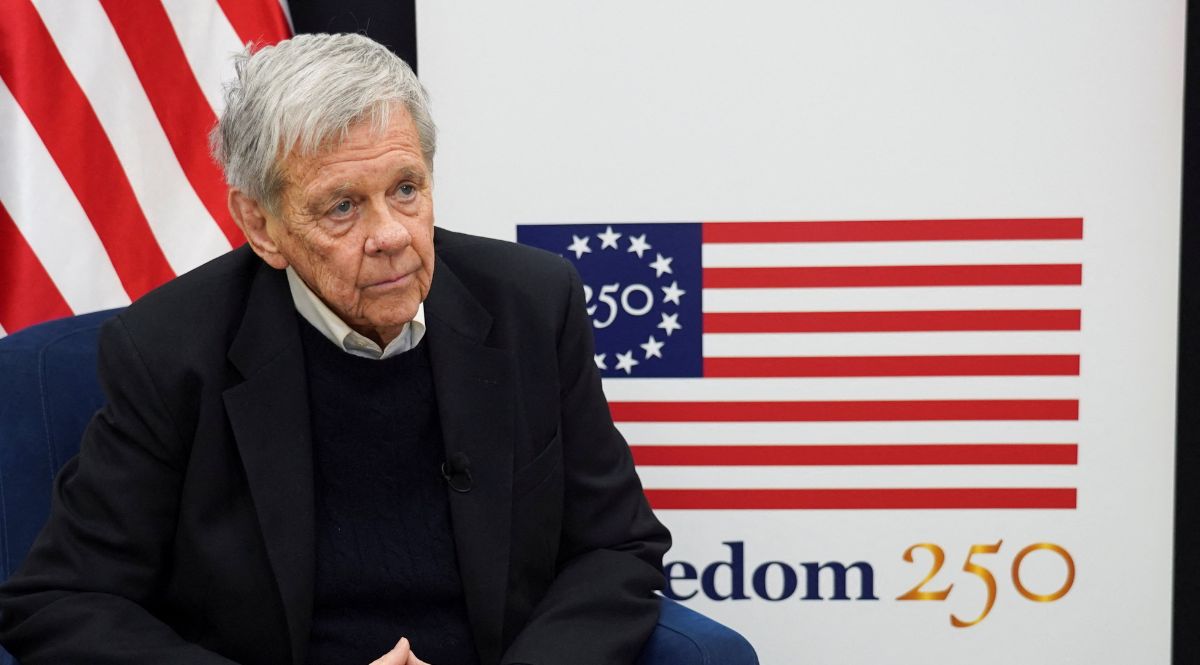
According to the official statement, one of the key topics of discussion was the situation in the Middle East regarding a joint US-Israeli attack on Iran, as well as the situation in Venezuela and Russian aggression in Ukraine. Coale also announced the reopening of the US embassy in Minsk, adding, however, that this would be a time-consuming process. He emphasised that both countries are working to organise a visit to the US by Lukashenka, which may take place on the occasion of the next meeting of the Board of Peace (despite receiving an invitation, he did not attend the first one), in which Belarus participates as an observer (it has not pledged any financial contribution). The US delegation also announced the decision to lift US sanctions on Belaruskali (which produces potash fertilisers) and the Belarusian Potash Company (which deals in the sale of potash fertilisers), a consequence of the US decision in December 2025 to lift the embargo on Belarusian potash fertilisers. The US has also lifted restrictions on parts of the Belarusian financial sector, including the Ministry of Finance, Belinvestbank (which, among other things, deals with investments in environmental development projects) and the Development Bank of the Republic of Belarus, which is responsible for financing infrastructure projects of significance to Belarus. Meanwhile, the Belarusian authorities have announced the release of further political prisoners.
Who was released?
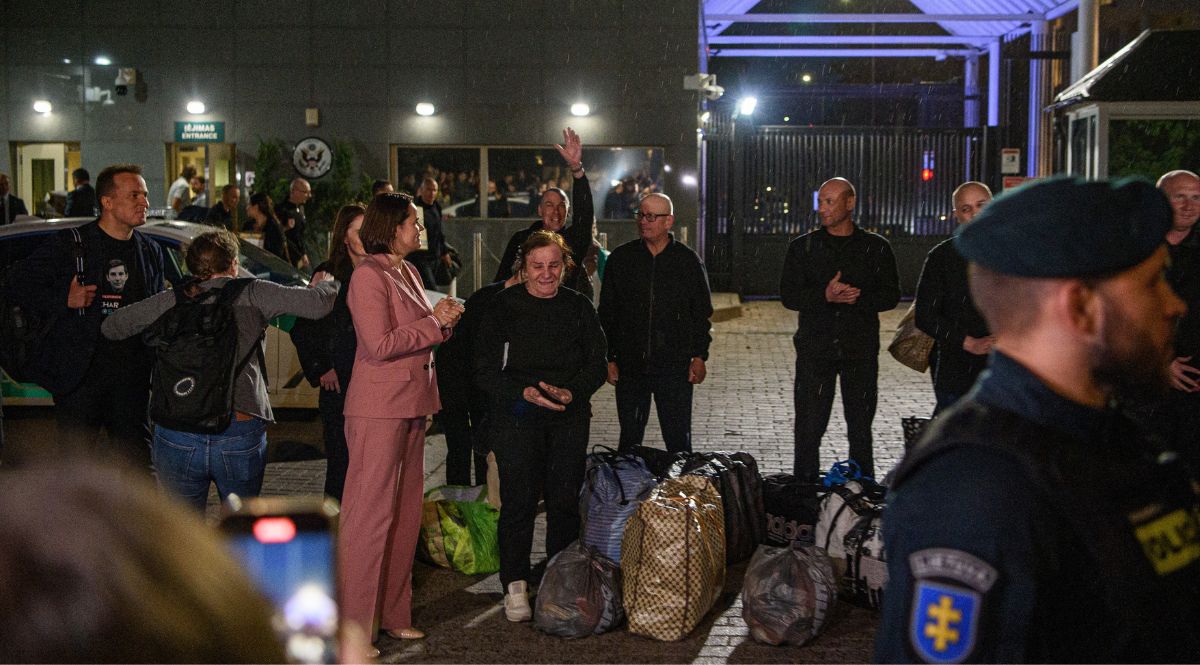
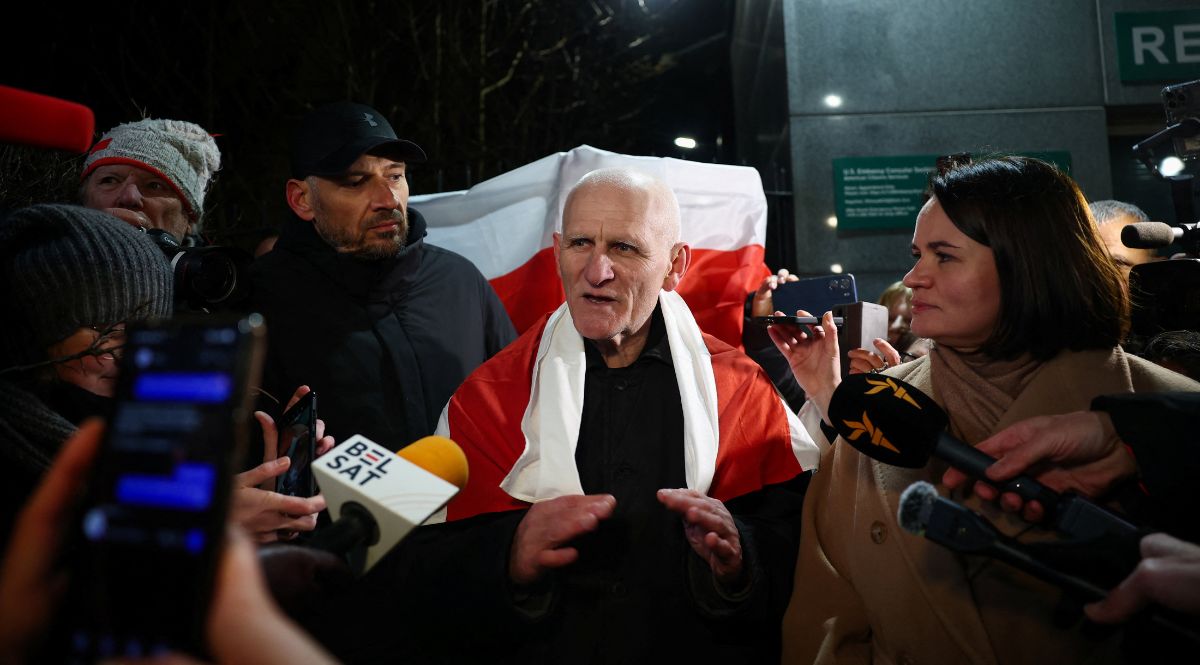
A total of 250 political prisoners have been released, 15 of whom were sent to Lithuania without documents. This is the largest group of released prisoners to date – in 2025, following all rounds of Belarusian-American negotiations, a total of 194 people were released from prison. Those released are mainly journalists, social activists and experts who were serving multi-year sentences which would have ended within the next few years. However, this move should not be interpreted as a gesture of goodwill on the part of the regime, but merely as a partial concession in return for the US lifting some of its sanctions. A large group of people remain in prison, including the Polish journalist Andrzej Poczobut. Repression and arrests of individuals linked to the Belarusian opposition are also continuing, and are likely to intensify ahead of the online elections scheduled for 11–17 May this year to the Coordination Council, an independent parliamentary body operating in exile.
What is motivating Belarus to improve relations with the US?
If the planned visit to the US goes ahead, it will enable Lukashenka to strengthen his international position – particularly vis-à-vis European countries that have maintained their unfriendly approach to either the Belarusian regime or Russia. The Belarusian authorities also hope that improving relations with the US will allow them to increase pressure on neighbouring EU member states, including Poland, regarding the normalisation of economic relations and the lifting of at least some sanctions. They will be particularly keen for Lithuania to again allow the sale of potash fertilisers via the port of Klaipėda, which Belarus used before the EU imposed sanctions, as this is in the interests of the US, which wishes to diversify its sources of fertiliser supply. Belarus will also seek to have Poland remove border crossing barriers, primarily for freight transport, and for European countries to lift sanctions in the petrochemical sector, which is crucial to the Belarusian budget. The US, on the other hand, may be interested in expanding relations with Belarus in anticipation of a softening of its cooperation with Russia.
By releasing some opposition activists, Lukashenka hopes not only to further bolster his image as a leader seeking to reduce tensions, but also to increase the chaos and deepen the crisis within the opposition in exile, which may succumb to further divisions and internal conflicts.


.png)