
U.S. Special Envoy Kellogg Visits Belarus
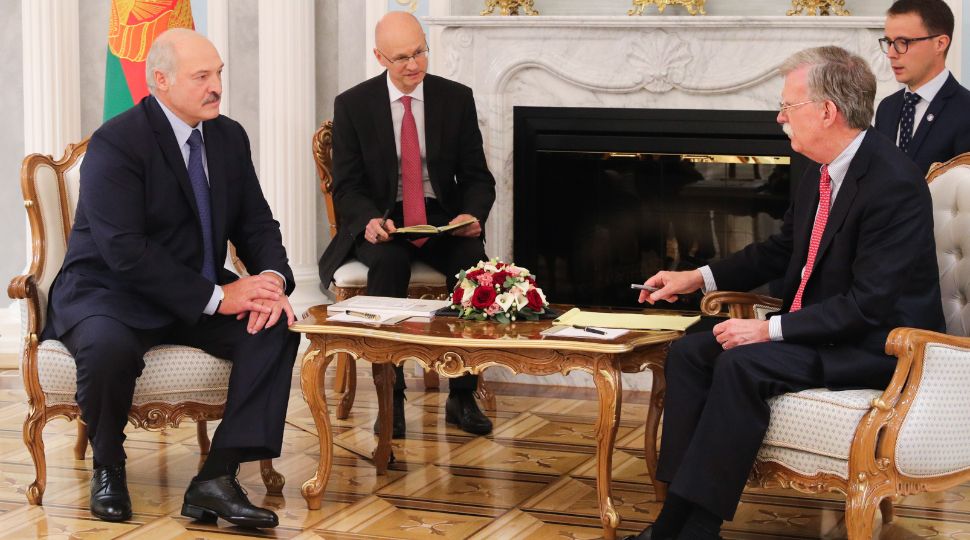
The U.S. Special Envoy for Ukraine and Russia Keith Kellogg was received in Minsk by Alexander Lukashenka on 20 June. The immediate result of their conversation was the release of 14 political prisoners, including Sergei Tsikhanousky. A visit of this importance strengthens Lukashenka’s political position and shows that the Donald Trump administration may try to use the Belarusian authorities to support their efforts to end the war in Ukraine.
.png) credit: MAXIM SHEMETOV / Reuters / Forum
credit: MAXIM SHEMETOV / Reuters / Forum
What were the context and purpose of Kellogg’s visit?
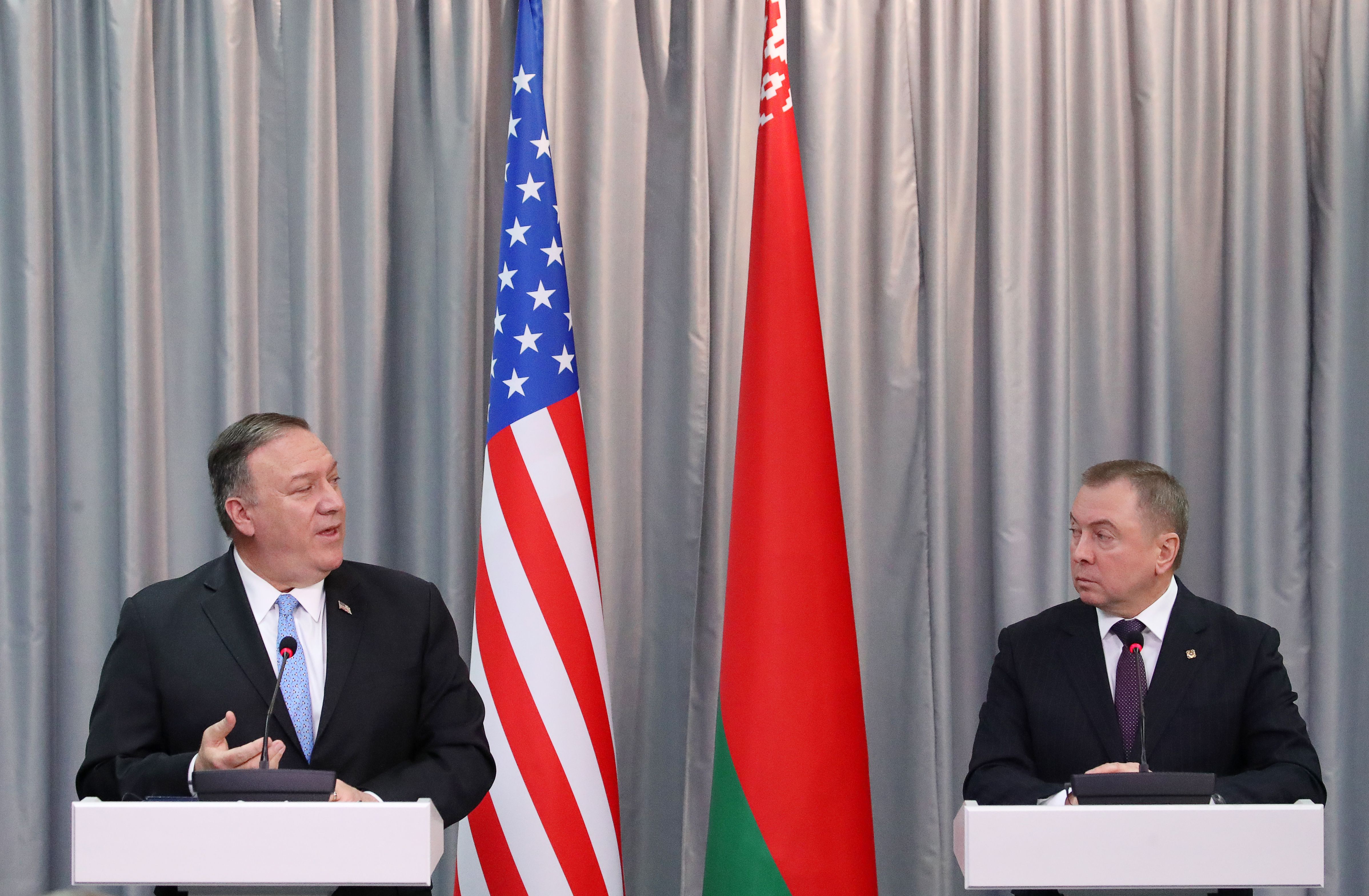
Kellogg’s arrival in Minsk was the first visit by a high-ranking U.S. official since February 2020 when Secretary of State Mike Pompeo travelled to Belarus. The latest visit was most likely initiated by the U.S. side, but it was also especially important for Lukashenka, who has been seeking international recognition and wants to strengthen his political position vis-à-vis Russia, among others, since the start of his term in office. Lukashenka is also suggesting that he can once again become a mediator in the Russian-Ukrainian peace talks, which are currently at an impasse. The U.S. wants to take advantage of this, so the main purpose of the 6.5-hour-long conversation between Kellogg and Lukashenka was to discuss the possibility of ending the war in Ukraine as soon as possible, although it is unclear what role the Belarusian government could play in the peace process. The U.S. administration’s also secured the release of about a dozen political prisoners it had been seeking for about a year. Another of Lukashenka’s aims via the meeting was to get at least some of the Western sanctions imposed on Belarus lifted and to improve mutual relations with the United States. Lukashenka and Kellogg also discussed the situation in the Middle East and Belarus’ relations with Russia and China.
What was the outcome of the visit?
The only tangible result of Kellogg’s visit to Minsk was the release on 21 June and departure to Vilnius of 14 political prisoners, including Tsikhanousky, the husband of Belarusian opposition leader Sviatlana Tsikhanouskaya, who was detained before the 2020 presidential elections. Three Polish citizens were also among those released, including Jerzy Żywalewski, who in 2023 was sentenced to four years in a penal colony in Belarus for alleged foreign agent activity and about whom Belarusian television made propaganda material. Officially, the release of the prisoners was a goodwill gesture by Lukashenka to neighbouring countries and the U.S. At a press conference on 22 June, Sviatlana Tsikhanouskaya thanked the leaders of the U.S., the EU, and Lithuania and Poland, for their help in releasing the prisoners. She also called on Lukashenka to release others as a first step for a necessary national dialogue. Sergei Tsikhanousky, in turn, announced that he would continue his political activities, stressing, however, that his wife will remain leader of the opposition, adding only that Trump can contribute to gaining the release of the remaining prisoners. However, it is unclear whether and to what extent the U.S. will continue to support the Belarusian opposition.
Does Kellogg’s visit mark a change in U.S. and Belarus foreign policy?
Kellogg’s visit to Minsk signalled a retreat from the policy of the previous Biden administration, which sought to isolate and punish Belarus by tightening economic sanctions in response to Belarus’ support for Russia’s full-scale invasion against Ukraine. It is also a return to the policy of the first Trump administration, which viewed Belarus as an important regional player, including in the security dimension, and sought to strengthen its position vis-à-vis Russia through good contacts with the Belarusian authorities. An improvement in relations with the U.S. can therefore be expected in the near future, but also further Belarusian attempts to improve relations with other Western countries. It cannot therefore be ruled out that the regime will release more political prisoners, but in return it will expect at least a partial lifting of sanctions, especially those imposed on the petrochemical sector. However, no change in Belarusian foreign policy is to be expected. Belarus will continue to remain in a close alliance with Russia, on which it is economically and militarily dependent, and will strengthen political and economic ties with China, with Lukashenka regularly visiting that country as part of that goal.

(1).png)