U.S. and Belarus Want to Normalise Bilateral Relations
On 11 September, Donald Trump’s envoy John Cole was received in Minsk by Alexander Lukashenka. The immediate result of the meeting was the release of 52 political prisoners and the lifting of U.S. sanctions on the Belarusian airline Belavia. These talks are a step towards the normalisation of U.S.-Belarusian relations and a success for Lukashenka. Moreover, further negotiations can be expected in the near future on the lifting of further U.S. restrictions and the release of more political prisoners.
 AA/ABACA / Abaca Press / Forum
What was the context of the visit?
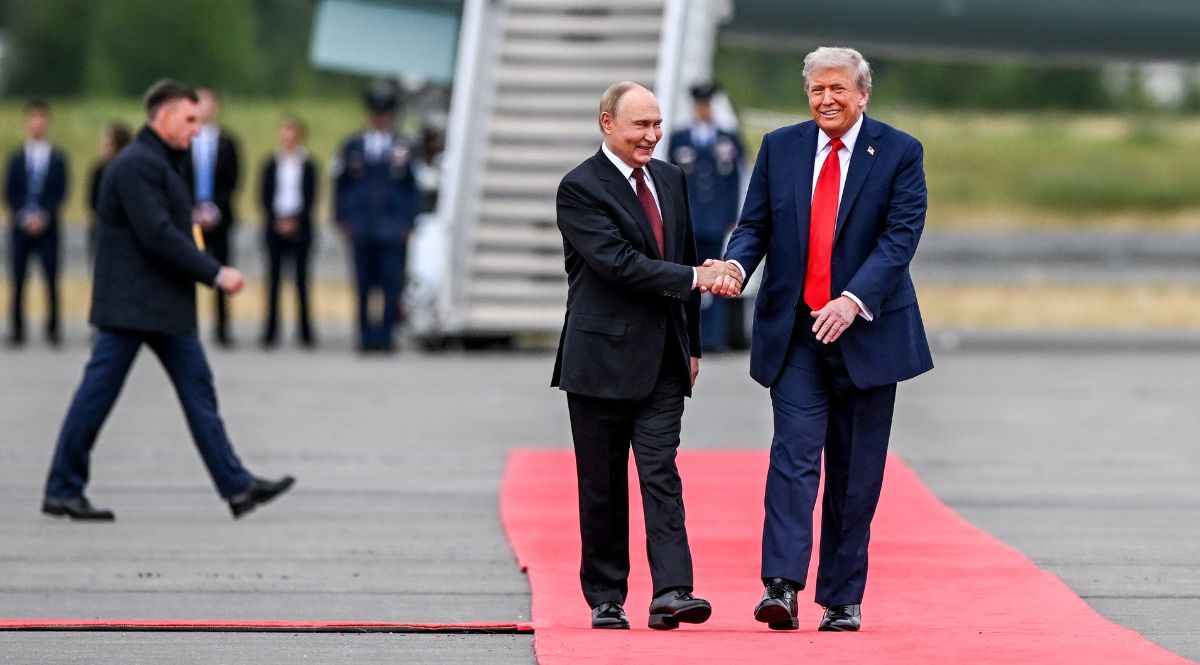
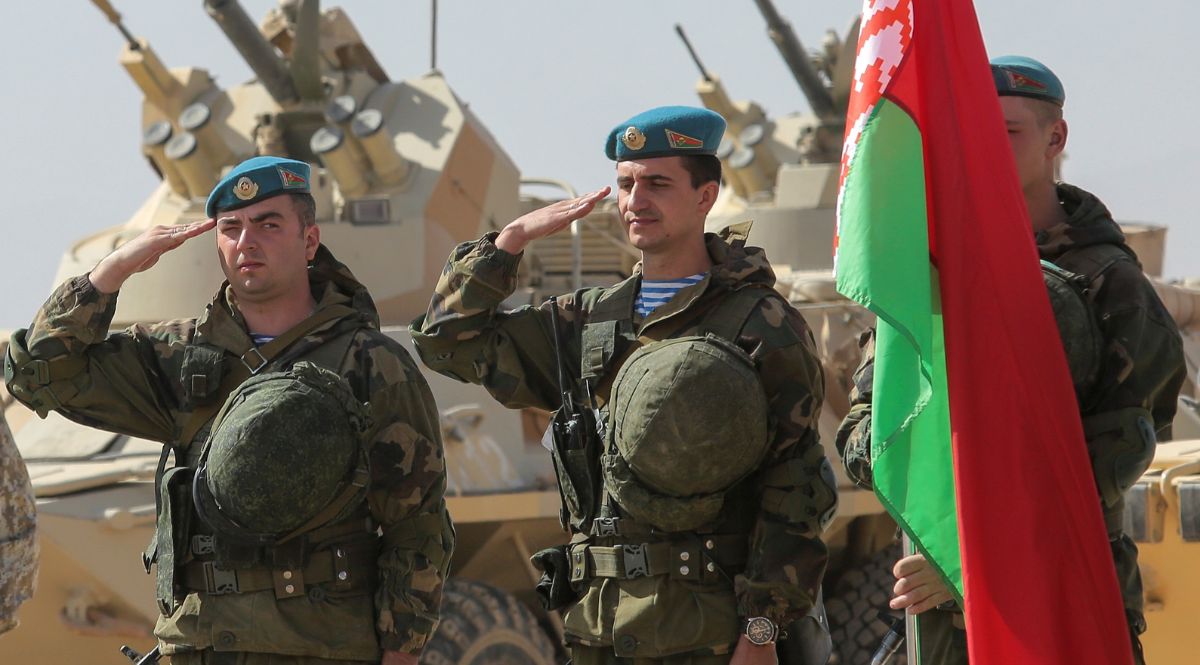
The meeting in Minsk was the fourth round of American-Belarusian talks since Trump took office (the previous three resulted in the release of 18 political prisoners). It was also John Cole’s second visit to the Belarusian capital this year. It was preceded by a telephone conversation between Trump and Lukashenka, which took place before the U.S. president’s meeting with Vladimir Putin in Alaska. During the conversation, Lukashenka invited Trump and his family to Belarus (the ancestors of Trump’s son-in-law, Jared Kushner, came from the territory of current Belarus). The meeting took place the day after a Russian drone attack on Poland, during which the Belarusian army informed the Polish side via military communication channels about objects approaching its airspace. In the context of the negotiations, this can be interpreted as a gesture of goodwill and an emphasis that Belarus pursues a sovereign defence policy. The meeting also took place on the eve of the start of the Belarusian-Russian military exercises Zapad, in which, according to official data, about 8,000 troops will take part (Lithuanian intelligence estimates that there will be about 30,000), and a few days after the conclusion of the Collective Security Treaty Organisation manoeuvres, which took place in Belarus.
What were the results of the talks?
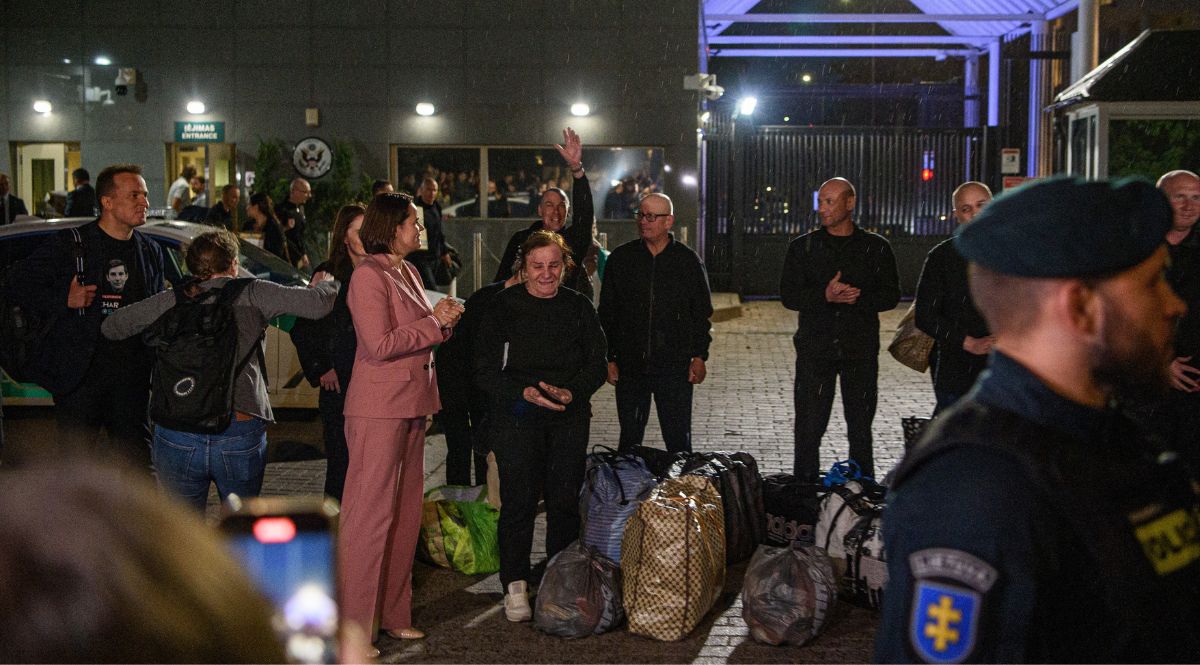
The most important result of the talks was the release of 52 political prisoners who, in June this year, were taken to Vilnius. Among them were three Polish citizens and eight Belarusian citizens who were employees of Belsat TV. However, the regime did not decide to release Andrzej Poczobut, as requested by Poland. Meanwhile, Mikola Statkevich, one of the leaders of the Belarusian opposition, refused to leave the country and remains temporarily in the so-called neutral zone between Belarus and Lithuania. The U.S., in turn, announced the lifting of sanctions on Belavia, which were imposed in 2022 in connection with Belarusian support for Russian aggression in Ukraine. This means that the airline will once again be able to operate flights to the U.S. However, a number of other restrictions on Belarus remain in place, including an embargo on the purchase of potash fertilisers and petroleum products, introduced in recent years by the Biden administration both because of Belarus’s assistance to Russia in its war against Ukraine and human rights violations in that country following the rigged presidential elections in 2020. Cole also announced his intention to reopen the U.S. embassy in Minsk and further normalise economic relations.
What might further normalisation of U.S.-Belarusian relations look like?
Cole’s latest visit to Belarus indicates that the U.S. is consistently pursuing its policy towards this country, counting on its involvement in the peace process in Ukraine and support in relations with Russia, among other things. For the Belarusian authorities, this is an opportunity to strengthen Lukashenka’s international position and to lift further sanctions, especially on the petrochemical sector, which is important for budget revenues. In return, Belarus is ready to release more political prisoners, and therefore further negotiations on this issue can be expected in the near future. Bilateral contact also will likely seek to organise a meeting between Trump and Lukashenka, which both politicians could use to improve their image. In the background of the American-Belarusian talks, further proposals directed at Poland to resume military dialogue can be anticipated, but no change in Belarus’ current policy, including an end to the border crisis, should be expected.


.png)