
CSTO Exercises in Belarus a Display of Unity and Strength
The military exercises of the Collective Security Treaty Organisation (CSTO), which took place in Belarus from 31 August to 6 September, continued to show that its members perceive NATO as one of the main threats to their security. This is evidenced by the course of the manoeuvres, during which, among other things, the use of nuclear weapons was practised at the level of training and combat planning. This could signal an intensification of confrontational rhetoric towards the Alliance, not only by Russia and Belarus but also by other CSTO members—Kazakhstan, Kyrgyzstan, and Uzbekistan.
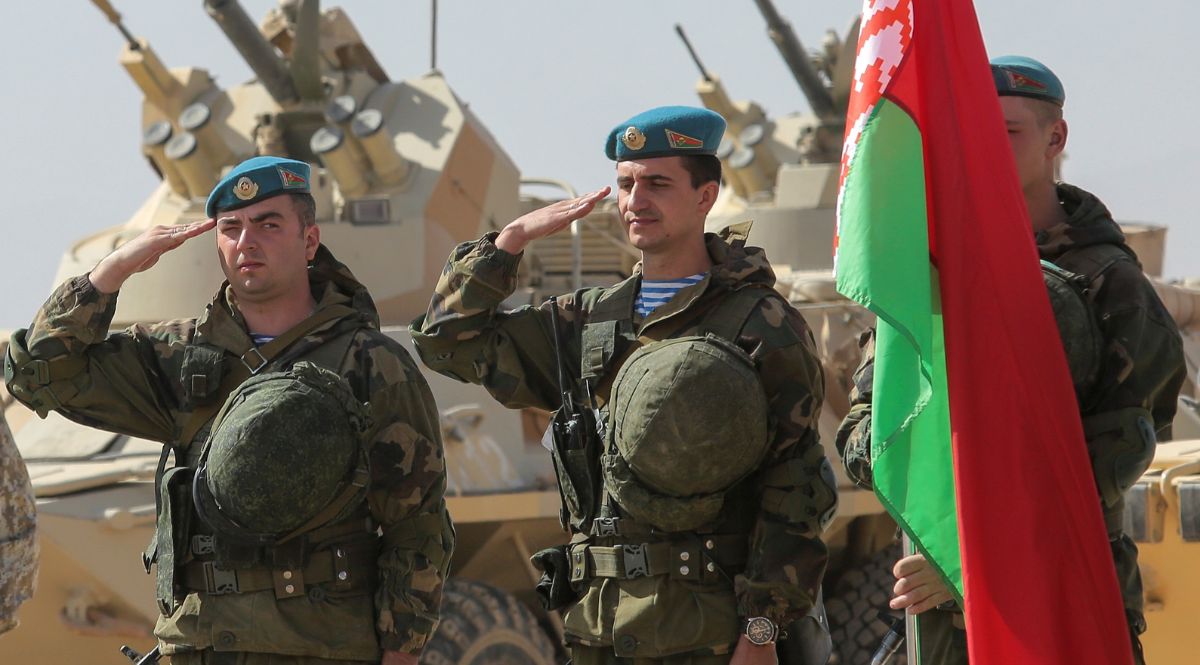 DIDOR SADULLOEV / Reuters / Forum
What is the significance of this year’s CSTO exercises?
The most important test of the CSTO’s combat readiness this year was a coordinated trio of manoeuvres called Interaction, Search, and Echelon, which took place in Belarus, in the Vitebsk region. The first of these was an exercise for collective operational response forces (CSOR) designed for rapid crisis-response. The aim was to increase the interoperability of units from the member states. Search was for reconnaissance forces and designed to support the activities carried out by the CSOR, while Echelon was intended for logistical support units, which are key to the efficient conduct of military operations. Later this year, the CSTO will also conduct the Unbreakable Brotherhood and Barrier manoeuvres, which will take place in Tajikistan. All these manoeuvres are intended to demonstrate the organisation’s ability to respond quickly to a crisis in any of its member states.
What was the scenario and course of the drills in Belarus?
The scenario for this year’s trio of manoeuvres involved the participation of CSOR forces and support units in resolving a simulated crisis in Belarus in which saboteurs had taken control of several towns. The other CSTO countries came to support Belarus. The scenario was modelled on the course of contemporary conflicts, with particular emphasis on the war in Ukraine. Therefore, significant importance was attached to the use of unmanned systems (including small drone swarms) and radio-electronic warfare, securing trenches and transport routes against drones. The exercises tested forging water obstacles with armoured equipment. The exercise in combating the sabotage forces plays on the Belarusian authorities’ concerns about possible future actions against the regime by the Belarusian Kalinovsky regiment, which has been fighting on the side of Ukraine since 2022. However, particular attention was drawn to the testing of plans for the use of nuclear weapons (for the first time within this organisation), which went beyond the scope of a relatively small-scale counter-sabotage operation and showed that the real purpose of the manoeuvres was to practise armed conflict with a large adversary, considered to be NATO.
What message did the CSTO countries send to NATO?
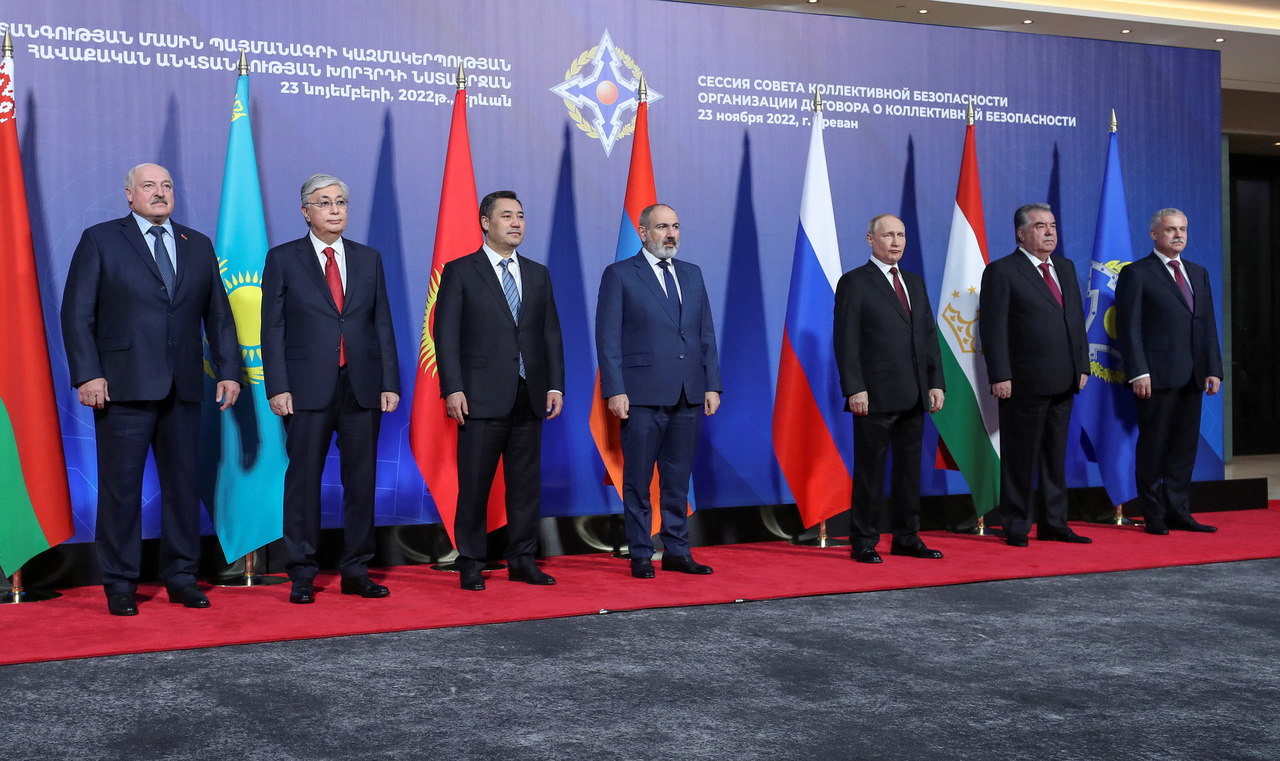
Showing strength and the cohesion of the organisation is important primarily from Russia’s point of view and demonstrates that the CSTO has managed to overcome internal crises related to the full-scale war in Ukraine and Armenia’s suspension of membership due to the lack of support from its allies in the war with Azerbaijan over Nagorno-Karabakh. It was also an opportunity for Russian soldiers and officers to share their experience from the war in Ukraine with units from other CSTO countries. The joint exercises in Belarus were also intended to prove that, like Russia and Belarus, all CSTO countries perceive the Alliance as a threat. In this context, the nuclear signalling and the linking of the CSTO exercises with the Belarusian-Russian Zapad drills scheduled for 12-16 September were particularly significant. For NATO, it must take into account in its defence plans the possibility of targeted actions against the Alliance by Central Asian CSTO members.


.png)