The impact of the Middle East conflict on Ukraine
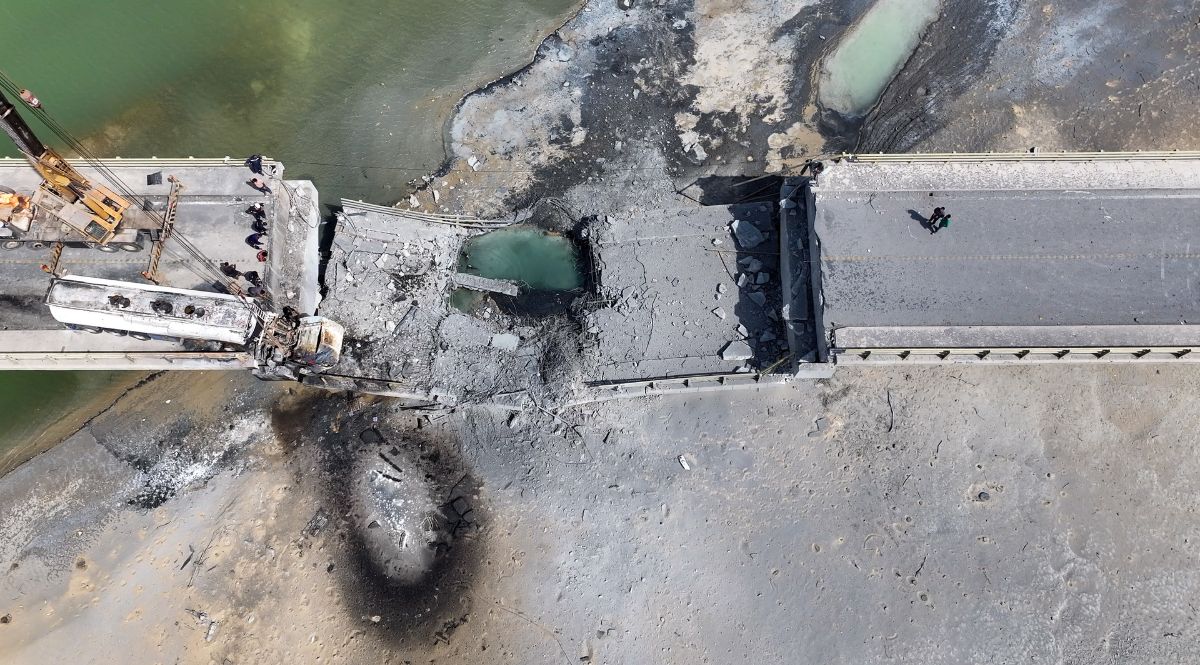
The war in Iran will have long-term consequences for Ukraine, including in its negotiations with Russia on ending military operations. US involvement in the Middle East is changing American priorities and limiting the political and military resources available to Ukraine. At the same time, the conflict has accelerated Ukraine’s transformation from a mere recipient of military aid to an active partner in the field of unmanned systems technology.
 ABACA / Abaca Press / Forum
Ukraine’s assessment of the war in Iran
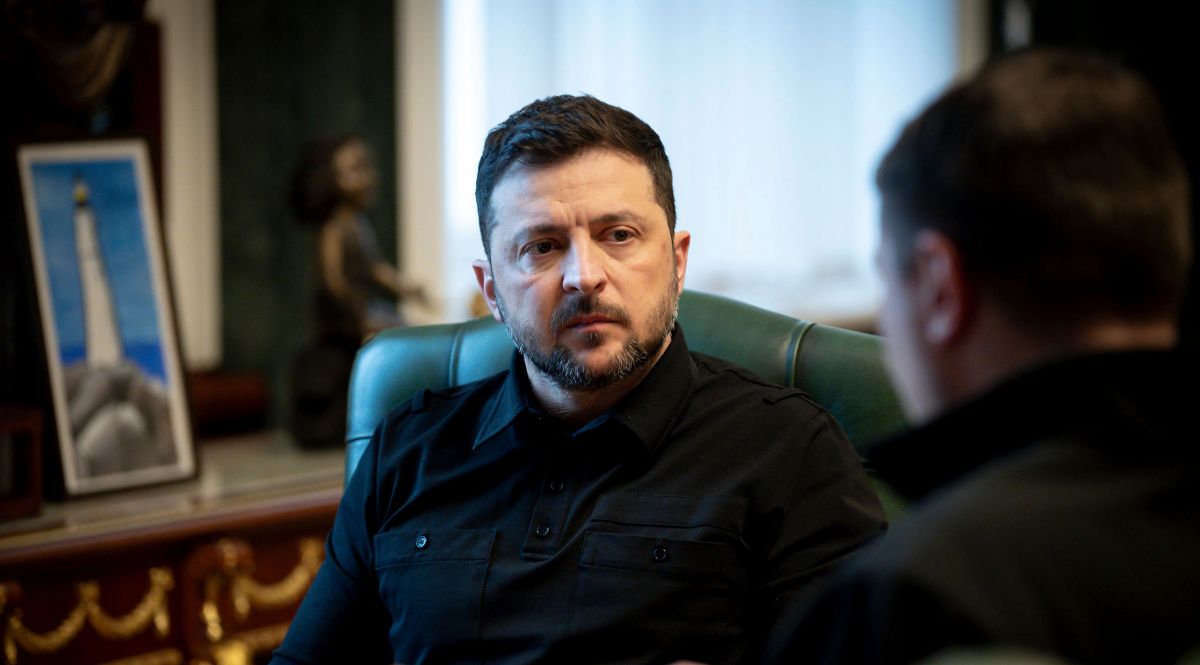
Ukraine views the US war against Iran primarily from the perspective of its own security and the war with Russia. From Ukraine’s perspective, the impact of the situation in the Persian Gulf on the dynamics of Russian-Iranian relations, as well as on the global position of Russia and the United States in the international balance of power, is crucial. Immediately after the United States and Israel launched their actions against Iran, on February 28, the Ukrainian Foreign Ministry issued a statement in which it did not directly support the attacks, but held the Iranian authorities responsible for regional destabilisation and complicity in Russia’s aggression against Ukraine. In his traditional evening address that same day, President Volodymyr Zelensky recalled the history of close Iranian-Russian cooperation and called on the US to show “determination” in the war. In the following days, he also emphasised solidarity with the Middle Eastern countries attacked by Iran. Since the start of the war, Ukrainian authorities have regularly reiterated that Russia and Iran support each other militarily. In July of this year, President Zelensky stated that Russia had been providing Iran with satellite images of US military facilities in the Persian Gulf states. Ukraine also attacked an Iranian vessel in the Caspian Sea that was allegedly transporting Russian military equipment. Ukrainian assessments of the situation in the Middle East focus on pointing out that the ongoing conflict limits Iran’s military capabilities, indirectly weakening Russia but diverting US attention and resources from Ukraine.
The impact of the war on negotiations
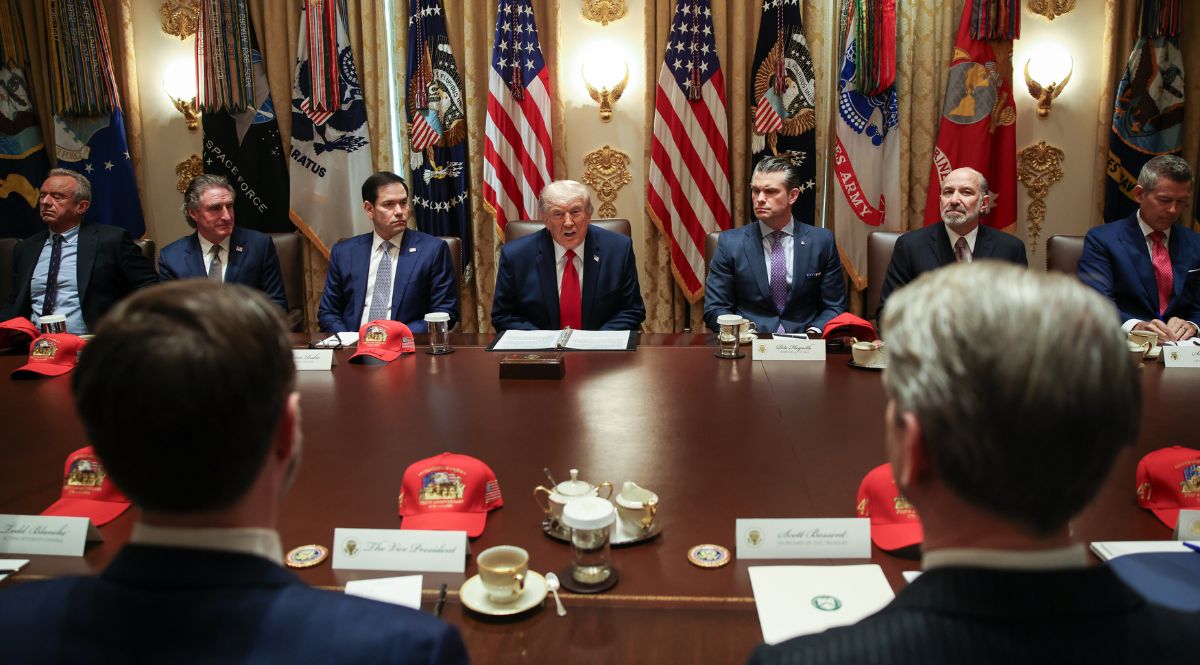
The situation in the Middle East has once again exposed Ukraine to the risks associated with the negotiation process being dependent on the level of American involvement. Donald Trump’s unpredictable policies and his current diminished interest in the war in Ukraine are affecting the dynamics of the meetings. The war with Iran has slowed the pace of ongoing Ukrainian-American-Russian talks, as following the start of military operations in the Persian Gulf region, negotiations with Iran have become a priority for the American side. The same people – Steve Witkoff and Jared Kushner – who led the earlier talks on Ukraine are involved in the new process, which also impacts the possibility of organising meetings. As a result, the previously announced trilateral negotiations did not take place. In practice, the situation in Iran has reduced the intensity of American diplomatic activity regarding the Russian-Ukrainian war and created additional space for Russia to prolong the talks. At the same time, the limited US involvement strengthens Ukraine’s position in the short term, as the Trump administration is no longer exerting the pressure previously present in the negotiation process. The US has been more likely to expect concessions from Ukraine than from Russia, which has consistently refused any real compromises. Although Donald Trump spoke favourably about Ukraine during the NATO Summit in Ankara in July, the protracted conflict with Iran and the unstable situation in the region increase the risk that the US president will once again change his mind and seek a quick end to the war in Ukraine, effectively forcing a solution favourable to Russia. For this reason, President Zelensky intensified his messaging about Russian-Iranian cooperation in July, pointing to the interconnected conflicts in both regions.
Challenges for Ukraine
The US involvement in the war in Iran has resulted in a reduction in available military resources for Ukraine. This primarily concerns air defence systems, especially PAC-3 missiles intended for the Patriot system, which provide the best defence against Russian ballistic and hypersonic missiles (Iskander, Kinzhal, Zircon). The US has deployed PAC-3 missiles on a massive scale against Iran—according to media reports, approximately 1,300 were used in the first weeks of the conflict alone, more than twice the entire annual production (approximately 620 units in 2025, 750 in 2026). Although President Trump announced at the NATO Summit in Ankara that a production license for Patriot missiles would be transferred to Ukraine, the implementation could take several years, be technically complex, and fail to address current shortfalls.
The conflict in the Persian Gulf region is also increasing pressure on the Ukrainian economy. Rising oil prices have led to higher inflation after a period of decline, reaching 8.2% in May of this year, which has increased costs for agricultural, industrial, and transportation production. Escalating threats to shipping in the Middle East also pose a challenge for Ukrainian trade. Since Ukraine broke the Russian blockade of the Black Sea, shipping has been the main export channel, particularly for agricultural products, ores, and metals. In the long term, the war in Iran translates into higher operating costs for the Ukrainian economy and limits the country’s ability to finance the war effort.
The impact of the war in the Middle East for Russia presents a separate challenge for Ukraine. The rise in oil prices and the temporary easing of the sanctions regime by the US administration from 12 March to 17 June of this year have resulted in increased revenues for the Russian budget from the sale of raw materials. During these three months, Russia earned 40% more than in similar periods before the launch of the measures against Iran. The United States has also set a precedent for selectively easing sanctions, which poses a risk of similar actions in the future. Although the increase in revenues was temporary, it allowed Russia to partially reduce the pressure caused by sanctions and increased its ability to finance military operations.
Opportunities for Ukraine
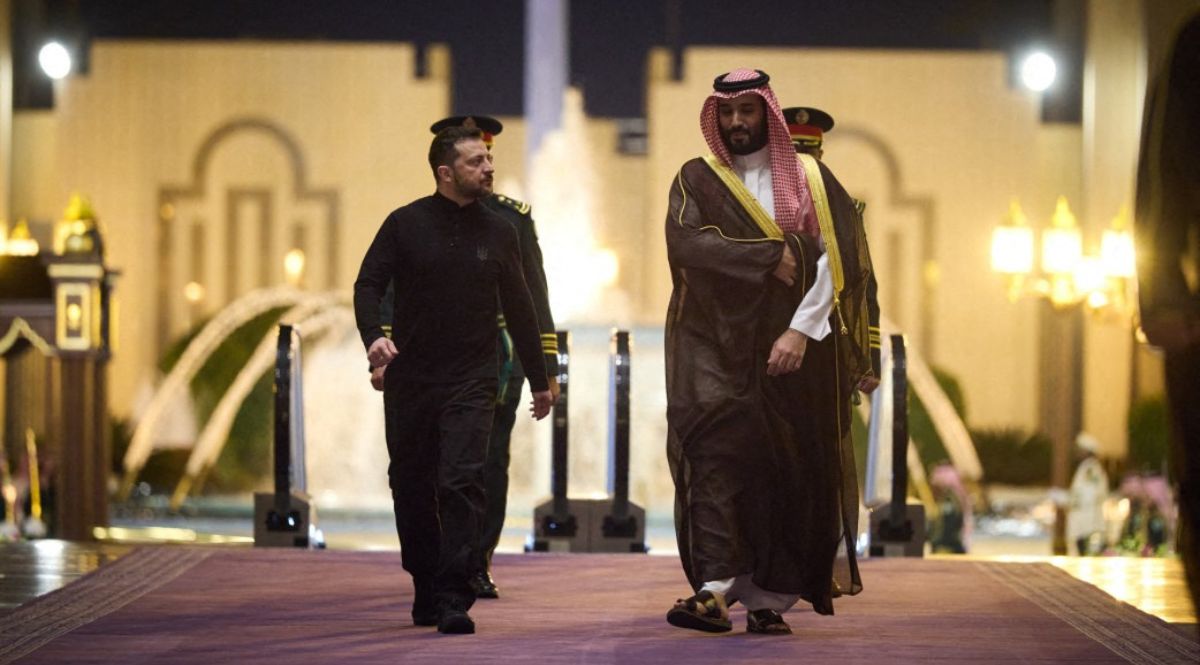
Following the outbreak of the Middle East conflict in February of this year, Ukraine took steps to strengthen its political position and increase its ability to obtain foreign financing. The course of the conflict in Iran, and particularly its drone attacks on regional states, highlighted the importance of countering unmanned systems, an area in which Ukraine has been intensively developing expertise in recent years. In this context, Volodymyr Zelensky’s visits in March and April to Saudi Arabia, the United Arab Emirates, Qatar, Jordan, and Turkey focused on cooperation in defence technologies. As a result, Ukraine signed strategic cooperation agreements with Saudi Arabia and Qatar, and a similar agreement is planned with the UAE. It has also sent experts in countering enemy drones to the region. Capitalising on the growing interest in drone technology, Zelensky proposed building industrial-defence partnerships, known as Drone Deals. Individual agreements cover the export of finished products, joint production, technology transfer, and exchange of combat experience. By mid-July of this year, Ukraine had signed nine of these partnership agreements (including with the Baltic states, Denmark, the Netherlands, and Azerbaijan), and another 20 are in preparation. On July 15, a similar agreement was signed with the European Union. Although these agreements have not yet translated into broad industrial cooperation, they demonstrate a shift in Ukraine’s perception by its partners. The main value is not about specific technical solutions, but the real-world experience gained through developing and using them in wartime conditions.
Conclusions and perspectives
The conflict in the Middle East has become a factor shaping the situation in Ukraine, both at the military level (restrictions on arms supplies) and politically. The limited availability of American air defence assets will remain the greatest challenge. Even after the end of military operations in the Middle East, the priority for the US will be rebuilding its own missile stockpiles. This accelerates the process of European countries assuming the burden of support for Ukraine, one element of which is the creation of an “anti-ballistic” defensive coalition. The conflict in the Middle East has accelerated the internationalisation of Ukraine’s unmanned technology sector. As a result, Ukraine has begun to be perceived not only as a recipient of military aid, but also as a partner with unique experience gained during the war. Consistent diplomatic efforts by the Ukrainian government have led to increased interest from partner countries in collaborating with the Ukrainian defence industry, but these signed agreements have not yet translated into larger joint projects. The development of these technologies by Ukrainian companies relies on foreign components and navigation systems, and Ukraine’s main advantage lies in the ability to quickly modify equipment and implement new solutions, rather than just its production capabilities. Unclear technology transfer rules and intellectual property issues remain an additional barrier, hindering the conclusion of long-term production agreements. Although the escalation of the situation in the Middle East has deepened Ukraine’s problems, its authorities are working to turn threats into opportunities, leveraging their unique wartime experience to build the country’s technological and political position on the international stage.