Consolidating presidential power: Personnel changes in the Ukrainian government
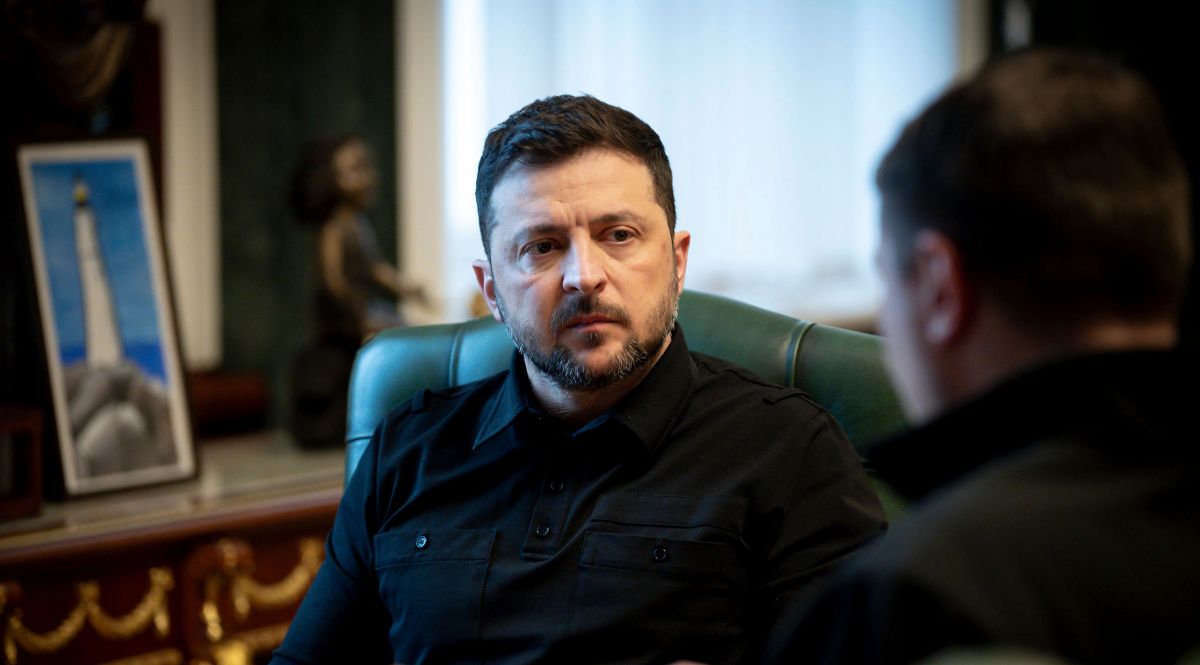
The latest wartime reshuffle of the Ukrainian government (previous changes took place in January this year) is part of President Volodymyr Zelensky’s broader effort to consolidate power. However, the dismissal of Mykhailo Fedorov from the post of Minister of Defence has triggered public protests, increasing the likelihood of further personnel changes to calm public sentiment.
 Ukraine Presidency/Ukrainian Pre / Zuma Press / Forum
What changes have taken place in the Ukrainian government?
On 16 July, the Verkhovna Rada appointed a new government in Ukraine. The reshuffle primarily affected the position of prime minister and several key ministries and reflects personnel changes rather than a shift in policy. The most significant change was the dismissal of Prime Minister Yulia Svyrydenko and the appointment of former head of Naftogaz Serhii Koretskyi as her successor. Denys Shmyhal remains in post as Deputy Prime Minister and Minister of Energy. Changes were also made to the positions of Deputy Prime Minister for European and Euro-Atlantic Integration and Permanent Representative to the EU: Deputy Prime Minister Taras Kachka swapped posts with Ambassador Vsevolod Chentsov. The most controversial decision was the removal of Mykhailo Fedorov from the Ministry of Defence. The Verkhovna Rada did not vote on the candidates for Minister of Defence and Minister of Foreign Affairs, and President Zelensky temporarily entrusted these positions to Yevhen Khmara, the former head of the Security Service of Ukraine (SBU), and Andrii Sybiha, who continues to head Ukrainian diplomacy.
Who is the new prime minister and what will his government’s foreign policy be?
Serhii Koretskyi has no prior political experience, being primarily associated with the fuel and energy sector. He has headed Ukrnafta and Naftogaz and previously worked in the private fuel sector, including as CEO of WOG, one of Ukraine’s largest fuel station chains. He is regarded as a businessman with no links to corruption scandals, and his candidacy was backed by President Zelensky as someone capable of preparing Ukraine for the winter heating season, ahead of an anticipated intensification of Russian attacks. In addition to preparing for winter, the government’s priorities will include economic stabilisation, increasing defence production, and ensuring the effective use of foreign assistance. Ukraine’s key foreign policy priorities, including its approach towards Russia and peace negotiations, are expected to remain unchanged. The temporary retention of Andrii Sybiha in office also confirms this.
What are the reasons for and goals of the cabinet reshuffle?
The immediate cause of the reshuffle was the resignation of Ambassador to the US Olha Stefanishina and Zelensky’s suggestion that Prime Minister Svyrydenko take her position (she has not yet accepted this proposal). In a broader perspective, the cabinet reshuffle is part of the process of further consolidating power around the president. The chosen ministers and prime minister demonstrate that loyalty and effective cooperation with the presidential office are just as important as competence, and the new government retains longtime key associates of Zelensky, such as Denys Shmyhal and Serhiy Marchenko (Finance Minister). The short-term change was intended to refresh the government’s image and consolidate growing support for the president. However, its effect was undermined by the removal of Mykhailo Fedorov, a controversial decision within Ukrainian society. President Zelensky is not only consolidating his power but also positioning himself for future elections—a key motive behind ousting the popular Fedorov. Although holding a presidential election during the war would require amending the law on martial law, this would not be unconstitutional.
What are the consequences of Mykhailo Fedorov’s dismissal?
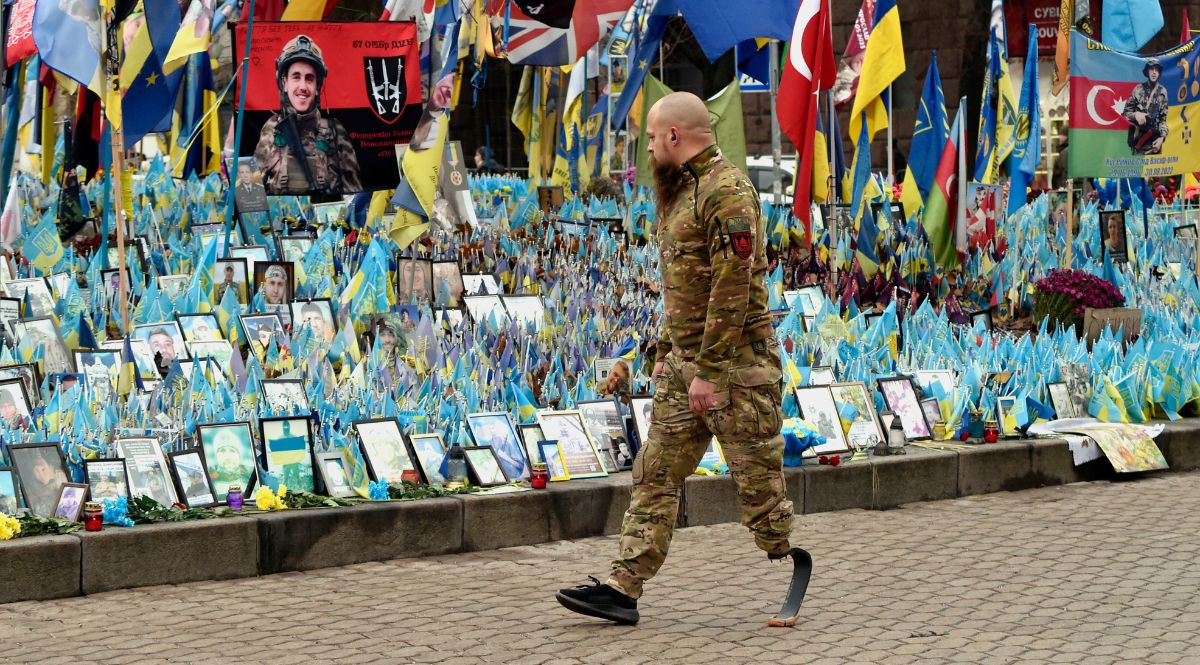
Mykhailo Fedorov’s dismissal sparked the second major public protest during the war (the first followed Zelensky’s attempt to limit anti-corruption institutions). Fedorov is a former Minister of Digital Affairs (2019-2026) and Defence (2026), enjoying high public trust. He attempted to reform the mobilisation system (emphasising, among other things, short-term, high-paying contracts) and military procurement, which put him in conflict with the military establishment and the “war oligarchs” who largely control the defence industry. For the public, he became the embodiment of a new concept of war—one in which fewer soldiers could die—and a new approach to state governance. He was in conflict with both the General Staff and the Supreme Commander of the Armed Forces of Ukraine, General Oleksandr Syrsky, who is widely associated with a post-Soviet approach to military operations. Demonstrations in support of Fedorov began on 16 July and escalated into protests against Syrsky. In response, President Zelensky held consultations with military commanders and, according to some media reports, is considering dismissing Syrsky.
This analysis was prepared in collaboration with Oleksandr Stets.