The formation of Mette Frederiksen's third government in Denmark
Formed on 1 June following a snap election, the minority centre-left government of Mette Frederiksen, Prime Minister since 2019, will face challenges including US claims over Greenland, the development of defence policy, rising living costs and changes in agriculture. Denmark will continue to seek to develop cooperation—particularly in security—with partners in the region, including Poland.
 Tom Little / Reuters / Forum
Under what circumstances was the government formed?
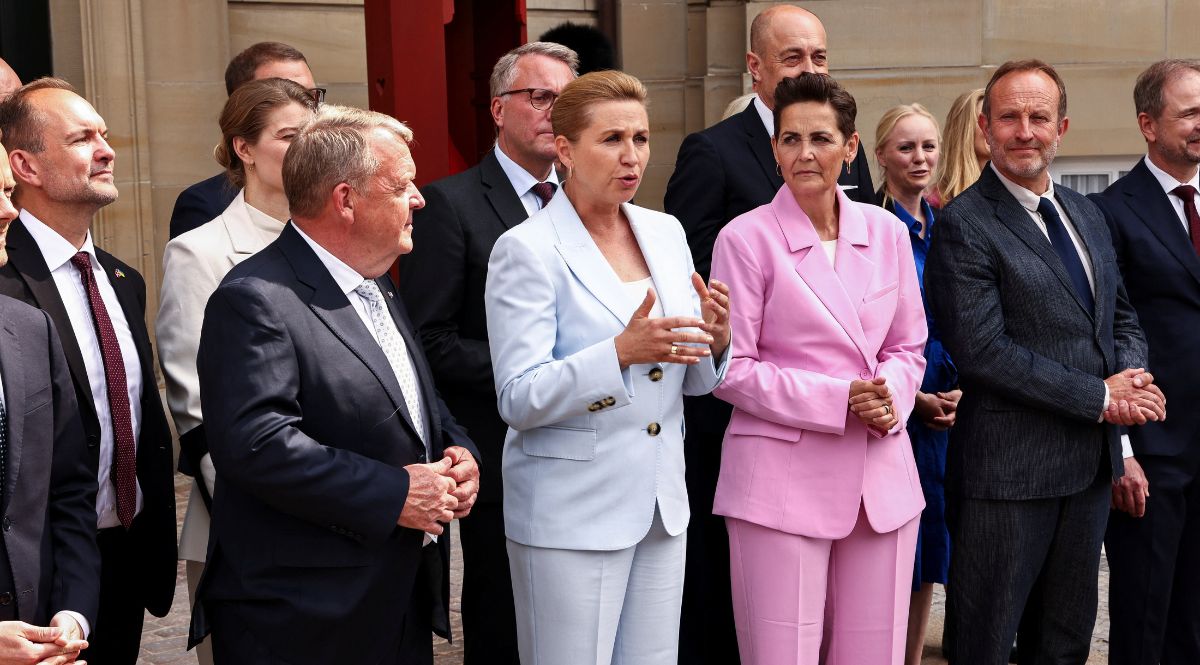
Social Democratic Party leader Frederiksen formed her third government following the snap parliamentary elections on 24 March this year. These elections were an attempt by the party to capitalise on the Greenland crisis to mobilise voters. However, due to factors including public dissatisfaction with the high cost of living (in 2026, 28% of Danes cited this, alongside defence and climate issues, as one of the most significant challenges compared to 14% in 2022) and the weakening of the party’s ideological profile (cooperation with right-wing groups and a restrictive migration policy), they achieved around 22% of the vote, their worst result in history, though they remained the largest group (38 seats) in the 179-member parliament. Frederiksen failed to fulfil the mission entrusted to her by King Frederik X to form a government, whereupon on 9 May, the task passed to Troels Lund Poulsen of the centre-right Venstre (18 seats, third place), also without success. Both rounds of talks failed due to opposition from Lars Løkke Rasmussen’s centrist Moderates party, which holds the deciding vote on the formation of a governing coalition due to the fragmentation of parliament (12 parties and 4 MPs from Danish overseas territories). Faced with the task of forming a government once again, Frederiksen formed a minority centre-left coalition government comprising the Social Democrats, the Moderates, the Radical Left and the Green Left. Minority governments are common in Denmark, and no vote of confidence is required for their formation.
What was the foreign policy of Frederiksen’s previous governments?
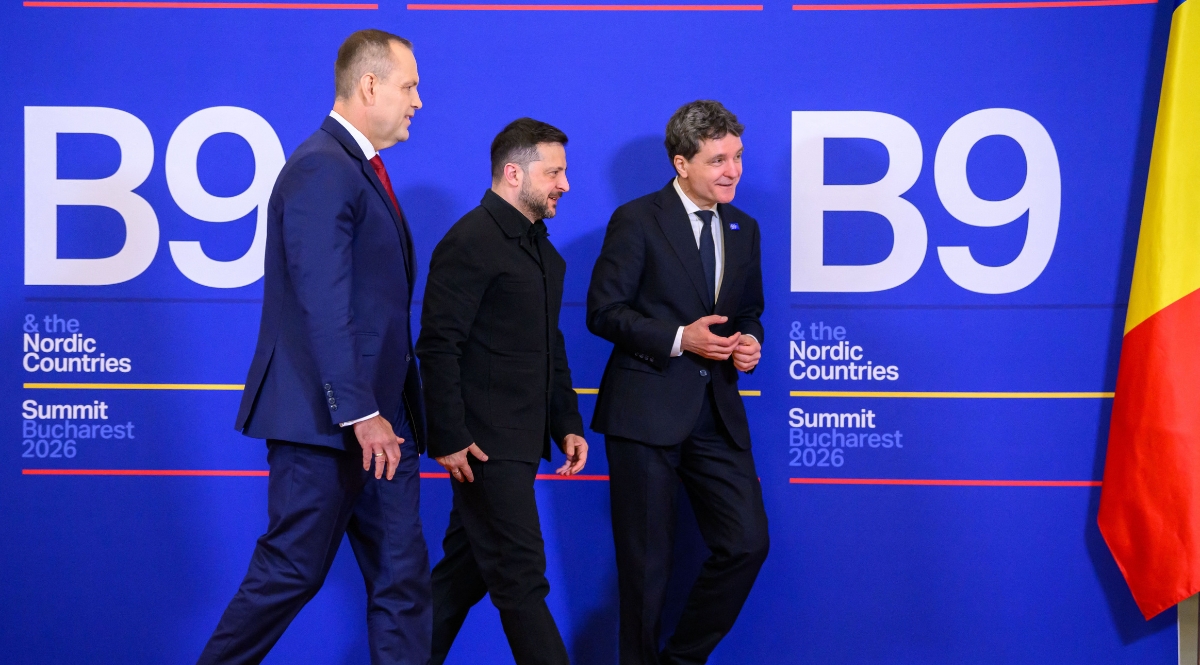
Frederiksen’s governments, particularly her first, more left-leaning one, promoted Denmark as a leader of the green transition within the EU. After 2022, Frederiksen’s government provided military support to Ukraine, became involved in expanding NATO’s presence on its eastern flank, and increased Denmark’s involvement in EU security policy, rejecting the previously negotiated opt-out from the EU’s Common Security and Defence Policy. Until American claims to Greenland caused a crisis in relations, Denmark had preferred to deepen military cooperation with the United States, including in the Arctic region. This crisis strengthened calls in Denmark for the further development of NATO’s European pillar and the EU’s defence policy. The country has also committed to deepening military cooperation with regional partners, including Poland, and to expanding its own armed forces, such as by forming a new regiment to defend Bornholm, a move the government justifies by citing the threat from Russia.
What are the foreign policy challenges facing the government?
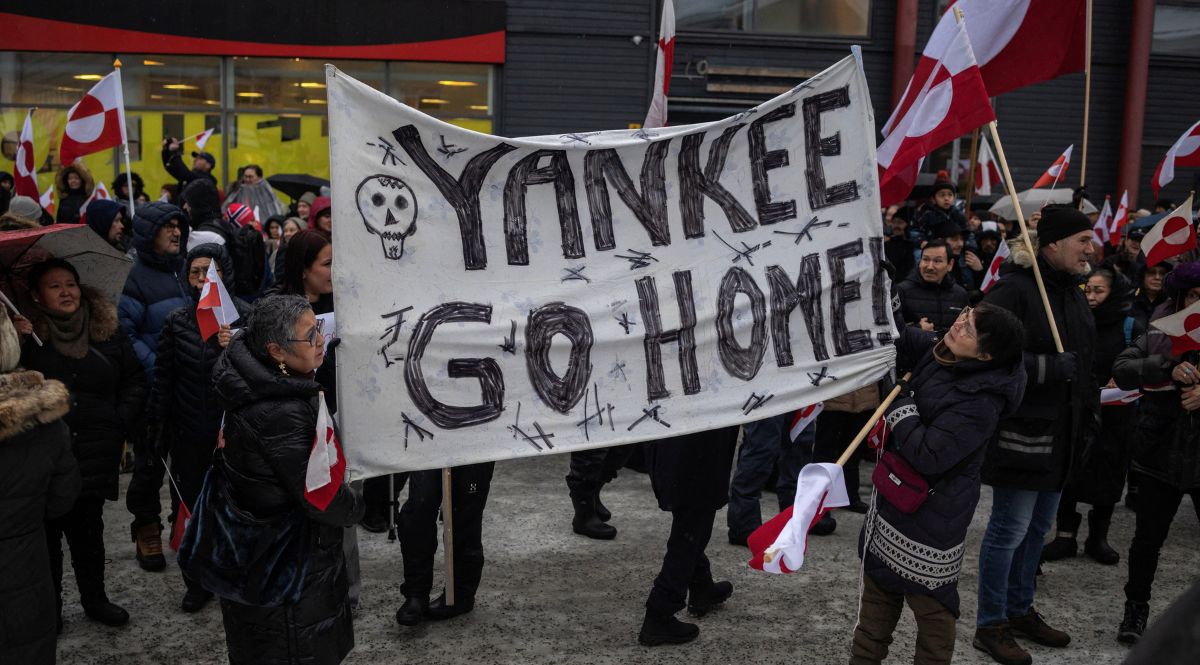
The biggest challenge for the government remains the issue of Greenland. Ongoing Danish-American negotiations over the establishment of new US military bases in southern Greenland mean that Denmark will remain under pressure from Donald Trump’s administration unless the US president renounces his claims to Greenland. Furthermore, the government will seek to maintain good relations with the Greenlandic authorities, which have so far allowed for a coordinated stance on US demands. Given the more left-wing orientation of this government compared to its predecessor, Denmark will certainly re-strengthen its commitment to the development of global climate policy. The mistrust among Danes caused by US claims to Greenland (at the start of this year, around 60% of Danes viewed the US as a threat) implies continued support for deepening security cooperation within the EU and the European pillar of NATO. This will also influence the development of defence cooperation with regional partners and may prompt the Danish government to maintain Baltic Shield exercises as regular Polish-Danish military manoeuvres, and Denmark will continue to support Ukraine.
What are the government’s domestic policy challenges?
The main challenge facing the government is the rising cost of living, in part caused by high inflation in the post-pandemic period, but exacerbated by rising energy prices after 2022. Between 2021 and 2025, food prices in Denmark rose by over 30%, which was not reflected by the average increase of around 15% in nominal wages during this period. In agriculture, driven by a tradition of ambitious climate policy goals, the government must address issues related to pig farming: animal rights, the impact of pig farming on the environment and climate, and groundwater contamination caused by pesticides. The importance of this issue is evidenced by the creation of the Ministry of Animal Welfare and Nature to replace the Ministry of Agriculture. Furthermore, the government will maintain the restrictive migration policy. The stability of the minority government will be affected by the need to maintain consensus with non-coalition parties, as well as the membership of the Moderates, who may curb the left-wing demands of the other coalition partners.