No breakthrough in US-China relations after Xi-Trump talks
As a result of the Xi-Trump talks, the U.S is to refrain from imposing high tariffs on China, while China is set to postpone the entry into force of the recent extension of regulations on rare earth metals. This does not resolve the structural sources of disputes between the US and China, but merely gives the parties time to reduce their existing dependencies.
.jpg) Daniel Torok/White House / Zuma Press / Forum
Daniel Torok/White House / Zuma Press / Forum
What were the circumstances of the meeting?
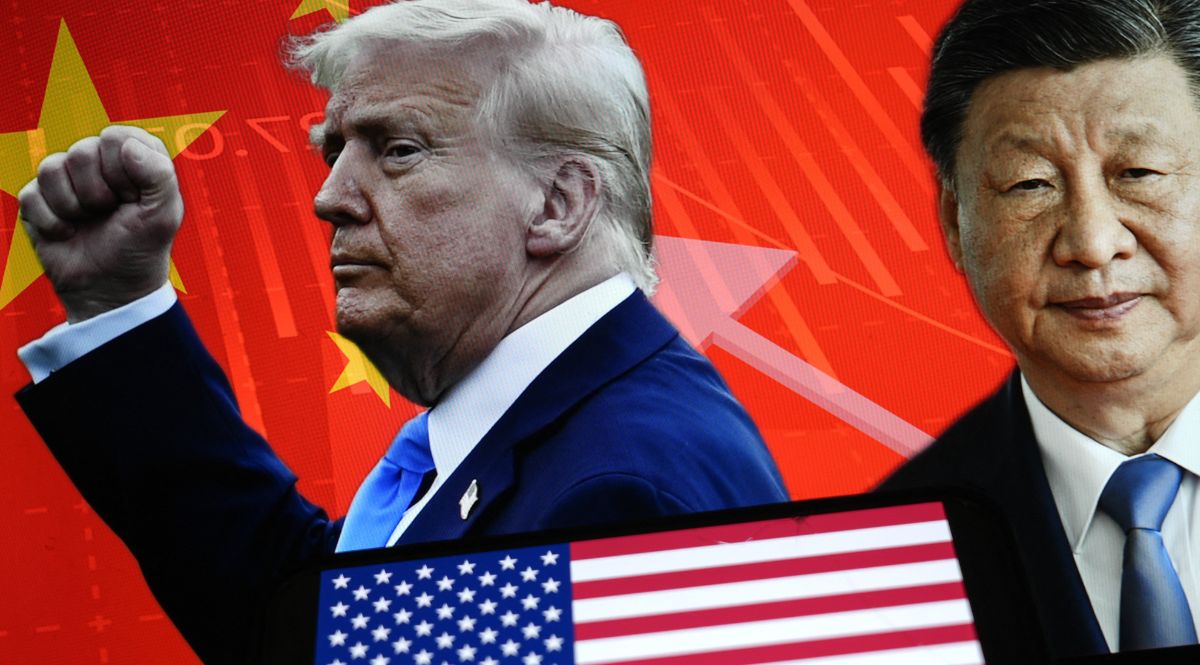
The meeting between Donald Trump and Chinese President Xi Jinping took place on October 29 on the sidelines of the APEC summit in South Korea and was their first direct conversation since the beginning of the US president's second term. It also constituted the next stage of trade negotiations between the two sides, conducted this year in Madrid and London, among other places, by delegations at the ministerial level. One of the goals of the negotiations was to reach an agreement on tariffs. As a result of the US decision on April 2 this year to introduce ‘reciprocal’ tariffs, China imposed retaliatory tariffs, but ultimately both the US and China have suspended application of these tariffs. In the meantime, there were several escalations on the part of the US, including the introduction of barriers to cooperation with foreign companies with majority-Chinese capital, as well as responses by China. When China introduced new regulations in October this year on licenses for trade in goods manufactured using Chinese rare earth metals, the Trump administration threatened to cancel the meeting with Xi and impose 100% tariffs on goods from China.
What did the leaders agree on?
According to Trump's statements, confirmed by the Chinese authorities, the United States has agreed to reduce tariffs imposed due to China's participation in the production of fentanyl components from 20% to 10%, thereby lowering the tariff rate on goods from China to 47%. The US has also suspended restrictions on cooperation with foreign entities with majority-Chinese ownership. Both the US and China have also suspended for one year (originally imposed from mid-October) the introduction of additional port fees for ships from these countries. China is to increase its purchases of agricultural products from the US, including soybeans, to exercise stricter control over the production of components for the manufacture of fentanyl, and to cooperate more effectively with US authorities in this area. From the US perspective, the most important decision is China`s decision to suspend, for one year, the October restrictions on the export of rare earth metals from China and the trade in foreign goods manufactured using them. The high-level dialogue is to continue - the parties have announced that Trump will visit China in April 2026, and Xi will visit the US in the fall of the same year.
What impact will the meeting have on Sino-US relations?
The meeting did not significantly improve the poor state of US-China relations, although it did temporarily stabilise bilateral relations. Both leaders achieved their goals, i.e., they primarily gained time to reduce mutual dependencies – in the case of the US, its dependence on rare earth metals imported from China, and in the case of China, its dependence on modern chips from American companies (used, among other things, for the development of AI). However, the results of the talks (concrete concessions were mainly made by the US), as well as president Trump's statements about a "G2" meeting, only a very general declaration about exploring the possibility of cooperation to end the Russian invasion of Ukraine, and the lack of talks about Chinese purchases of Russian oil are, in the view of China, proof of the effectiveness of its policy towards the US The Chinese side may believe that, through further dialogue, it has the opportunity to delay possible US restrictions by agreeing to temporary, selective concessions, and ultimately also to influence the Trump administration's policy towards Taiwan. This way of thinking is confirmed by unofficial information about a possible US agreement to supply advanced chips from Nvidia to China.
What is the significance of the talks for China-EU relations?
The Trump administration's decision to change its policy of high US tariffs on Chinese products may, in the short term, reduce pressure to increase exports of surplus production from China to the EU market. However, the potential instability of the agreements between the US and China may prompt the Chinese authorities to look for other markets. This means that mechanisms protecting the EU single market will have to continue to be applied. China's sense of superiority, resulting, among other things, from the temporary resolution of disputes with the US, may make it difficult for the EU to enforce the suspension of October's licensing procedures related to rare earth metals from China, which should result from the declaration following the Xi-Trump meeting. In this context, the PRC's unwillingness to reach an agreement is likely to result in the EU using trade policy tools, including anti-coercion instruments, such as imposing tariffs and restrictions on selected goods from the PRC. China's tough policy will increase member states' support for such a solution. The temporary easing of US-China relations and Trump's optimistic declarations regarding cooperation with China to resolve the war in Ukraine may also mean a temporary reduction in US pressure on the EU to, for example, impose sanctions on China due to its support for Russia.