Lavrov Visits Latin America to Try to Lure It to Russia's Side
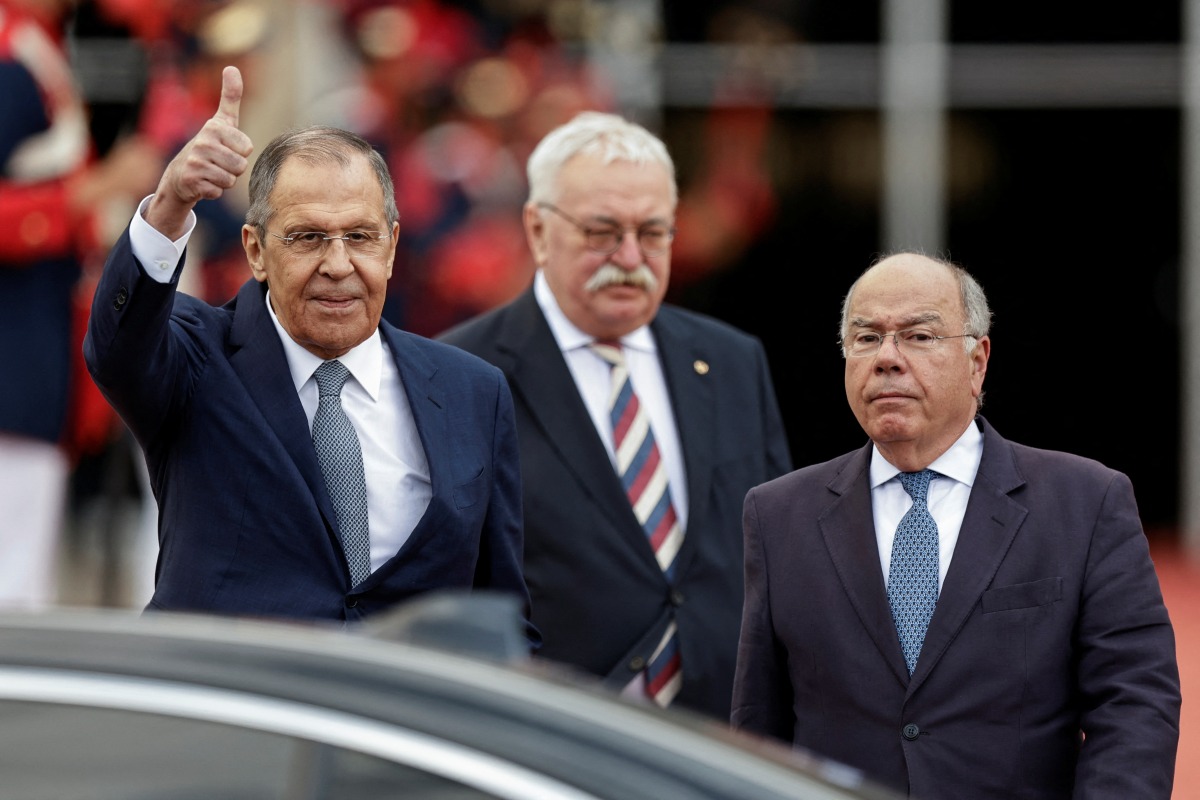
On 17-21 April, the Russian Foreign Minister Sergey Lavrov visited Brazil, Venezuela, Nicaragua, and Cuba. During his trip, he argued that the goals and interests of Russia and most Latin American countries coincide. He also repeated false Russian narratives, for example, about the reasons for the invasion of Ukraine, portraying Russia as a victim of the policy of the West. While he used his stay in Brazil to legitimise the Russian narratives, in other countries, it was mainly about consolidating Russia’s ties with their authoritarian regimes, including cooperation on evading sanctions.
 UESLEI MARCELINO / Reuters / Forum
What was the nature of Lavrov’s trip to Latin America?
The Russian minister’s visits did not yield any breakthrough decisions in relations with the countries of the region but mainly consisted of promoting Russian positions on international affairs. He chiefly achieved that through meetings with his counterparts and the leaders of each of the visited countries. In Venezuela, he also held talks with the foreign minister of Bolivia—whose authorities are sympathetic to Russia—and the prime minister of Saint Vincent and the Grenadines, which currently holds the rotating presidency of the Community of Latin American and Caribbean States (CELAC). The Russian minister used public speeches to present his country as an attractive partner that cares about peace and to push through a manipulated Russian interpretation of the context of the aggression against Ukraine. He had previously laid out his theses in a column published on 13 April in one of Brazil’s largest dailies, Folha de São Paulo, and a niche Mexican news portal, Buzos de noticias. In the text, he portrayed Russia as a victim of Western policy, including from sanctions and the U.S. desire to “maintain global dominance”. He presented a vision of an emerging new multipolar order in which Latin America—depicted as Russia’s priority partner—would have a leading position. He thanked the countries of the region for not joining the sanctions and called on them, for example, to give up transactions in U.S. dollars and euros in favour of other currencies.
What did the visit mean for Brazil?
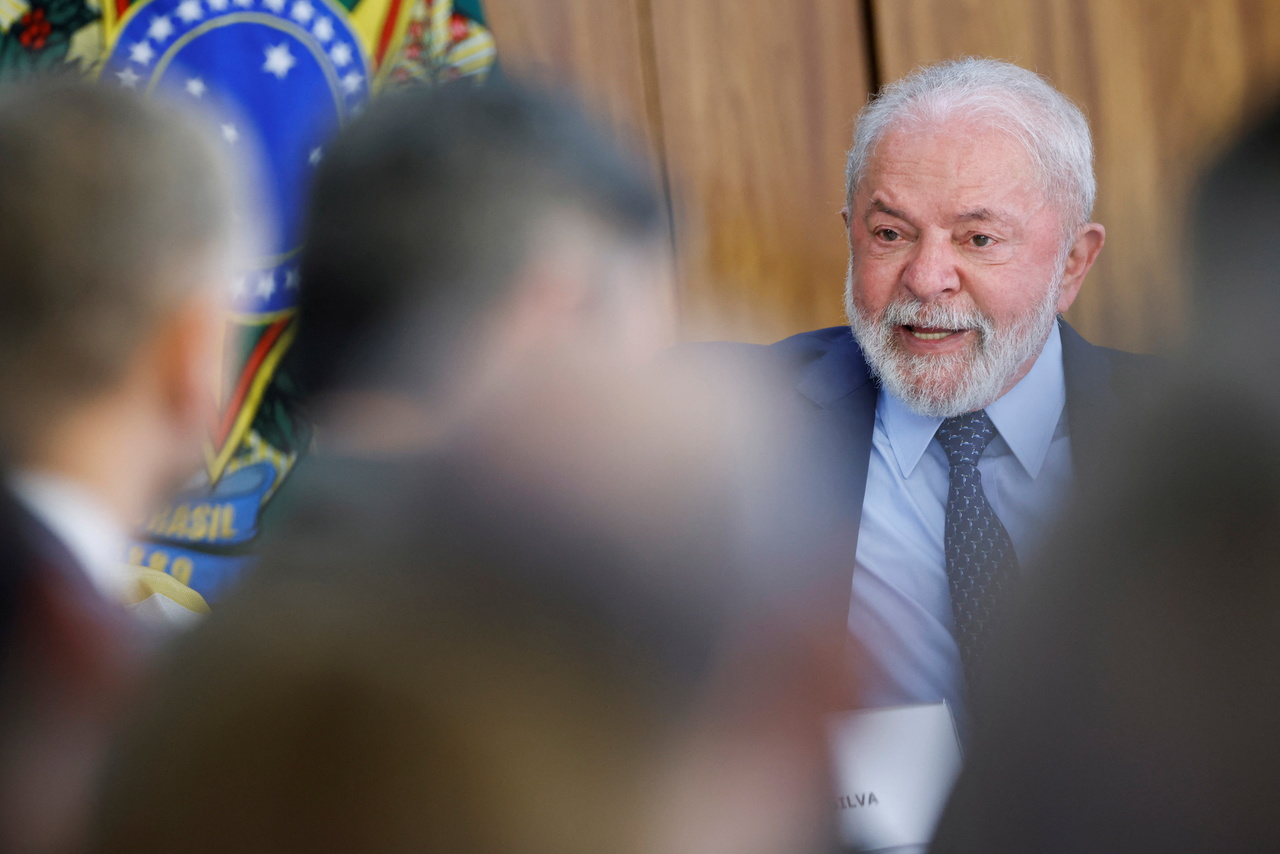
Lavrov’s visit took place in a moment of mounting criticism from Western countries of Brazilian President Lula for his statements about Ukraine, including claims that the defending state is as responsible for the war as Russia. When announcing Lavrov’s visit, the Brazilian government noted the great potential for the development of bilateral cooperation and the record value of trade in goods in 2022. It also highlighted it would raise the issue of the war in Ukraine with the Russian minister and talked about the Brazilian concept of an immediate ceasefire and peace negotiations. By inviting Lavrov, the Brazilian authorities wanted to show that they are open to contact with all countries. In fact, though, they gave him a convenient opportunity to repeat false narratives, such as accusations of alleged EU propaganda about the war in Ukraine reiterated, for example, during a closed lecture for students of the Rio Branco Institute, the Brazilian diplomatic academy. Lula’s government also helped Lavrov create the impression that Russia is not isolated and remains a normal partner despite the war. The Russian minister’s statements about the similarity between the Russian and Brazilian visions of the world and the position on the war in Ukraine, as well as the criticism of Western sanctions by Brazilian representatives, have rather helped to strengthen the assessment that Brazil favours Russia’s interests and has undermined the credibility of the peace initiative promoted by Lula. Brazil’s president tried to salvage his reputation by denying his earlier statements and, under strong criticism, decided to send his foreign affairs adviser Celso Amorim to Kyiv.
What did the visit mean for other countries in the region?
Cuba, Nicaragua, and Venezuela have been Russia’s closest political partners in Latin America. Russian support in, for example, circumventing sanctions (imposed mainly by the U.S.) has been instrumental for the endurance of the authoritarian regimes that govern these three Latin American countries. Lavrov’s visit clearly served to confirm these ties and also Russia’s readiness to continue supporting these governments despite conducting the war against Ukraine. The authorities of Cuba, Nicaragua, and Bolivia are important partners of Russia in voting at the UN (although Venezuela had its voting rights suspended due to unpaid contributions). In addition, they help propagate Russian official narratives, for example, in Venezuela on pro-government television Telesur. Repeating the false argument that all these countries—unlike the West—defend the principles of the UN Charter was one of important elements of Lavrov’s meetings with representatives of the three regimes. The strengthening of cooperation in evading sanctions was another prominent topic, confirmed by calls to use the Russian MIR as the alternative to the SWIFT banking transactions system.
What are the consequences of the visit for Ukraine and the countries that support it?
By visiting these Latin American countries, Lavrov intended to show that Russia enjoys support in the region and is able to keep supporting the three anti-Western regimes despite the war. It is also a signal that Russia considers the region as an important field of confrontation with the U.S. and of attempts to undermine the policy of the broad West. Lavrov’s statements showed that he was trying to persuade more Latin American countries to Russia’s arguments by appealing to their expectations, for example, of an increase in the region’s importance in international relations. However, although none of the Latin American countries joined the sanctions against Russia, and a few governments (Chile, Ecuador, and Guatemala, for example) have clearly supported Ukraine, this is not synonymous with support of the majority of the region for the Russian government. For Ukraine and the countries that support it, the position of Lula’s government, which is an important point of reference for other Latin American countries and the wider Global South, remains a particular challenge. Russia has taken advantage of Brazil’s openness to cooperation with all countries and the Lula government’s position on the war in Ukraine, which is in fact favourable to Russian interests. In response to Lavrov’s visit, the West should take efforts to develop political dialogue with Latin American partners and to combat Russian manipulation. In the case of the EU, the July summit of the heads of state and government of the Union and CELAC in Brussels and the potential return to EU-Brazil summits may provide such an opportunity.