How Lithuania views the prospect of improving relations with Belarus
The change in US policy towards Belarus has led to pressure on Lithuania from US President Donald Trump’s administration, pushing to unblock the transit of Belarusian potash fertilisers. Although Lithuania has accused Belarus of ongoing hostile hybrid activities, it has not reached a consensus on the direction of its future policy towards that country, though its government has signalled a willingness to coordinate its actions with Poland on this matter.
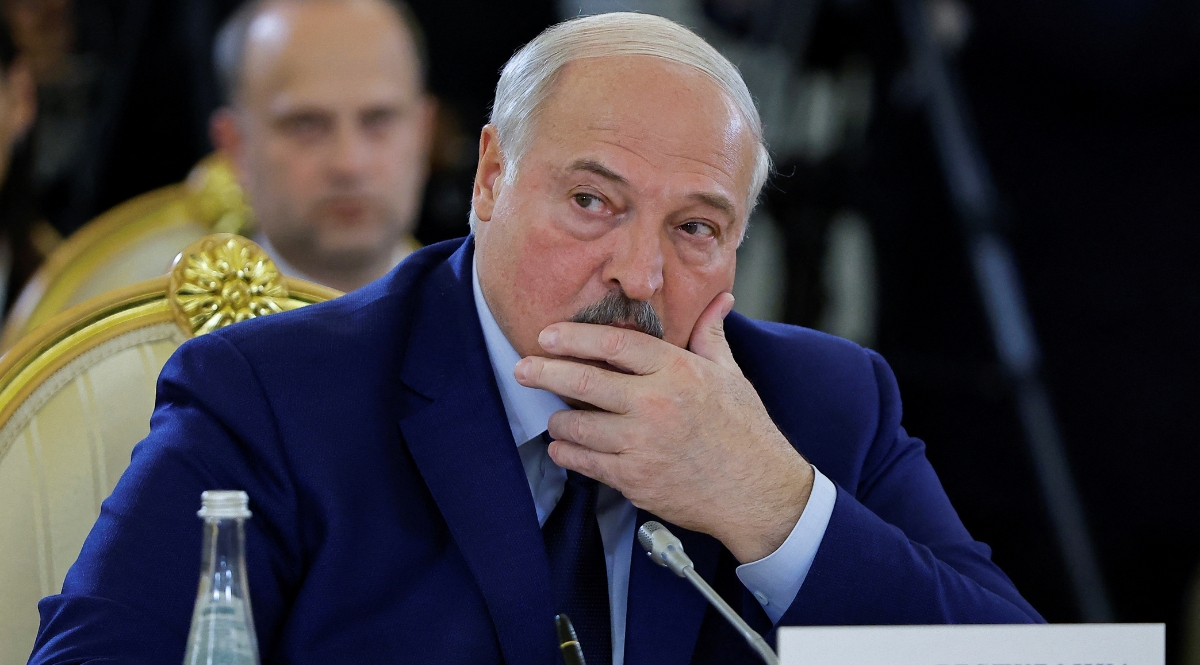 Evgenia Novozhenina / Reuters / Forum
The state of Lithuanian-Belarusian relations
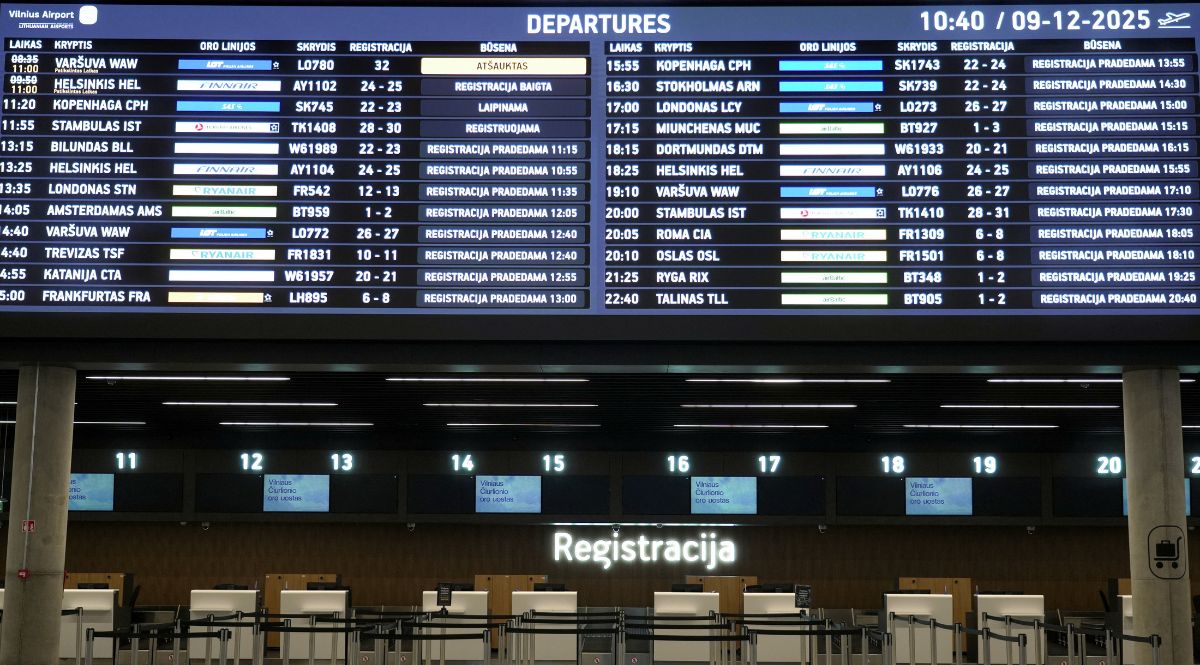
Lithuanian-Belarusian relations are at their worst since they were established in 1991. Lithuania accuses Alexander Lukashenko’s regime of ongoing hostile hybrid activities threatening its security (such as migration pressure and the release of smuggling balloons, which have paralysed operations at Vilnius Airport). The Lithuanian authorities also view the operations of the Belarusian Nuclear Power Plant in Astravyets, located some 50 km from Vilnius, as a threat. Since construction began in 2012, Lithuania has been monitoring the safety standards of the facility and criticising plans for its expansion.
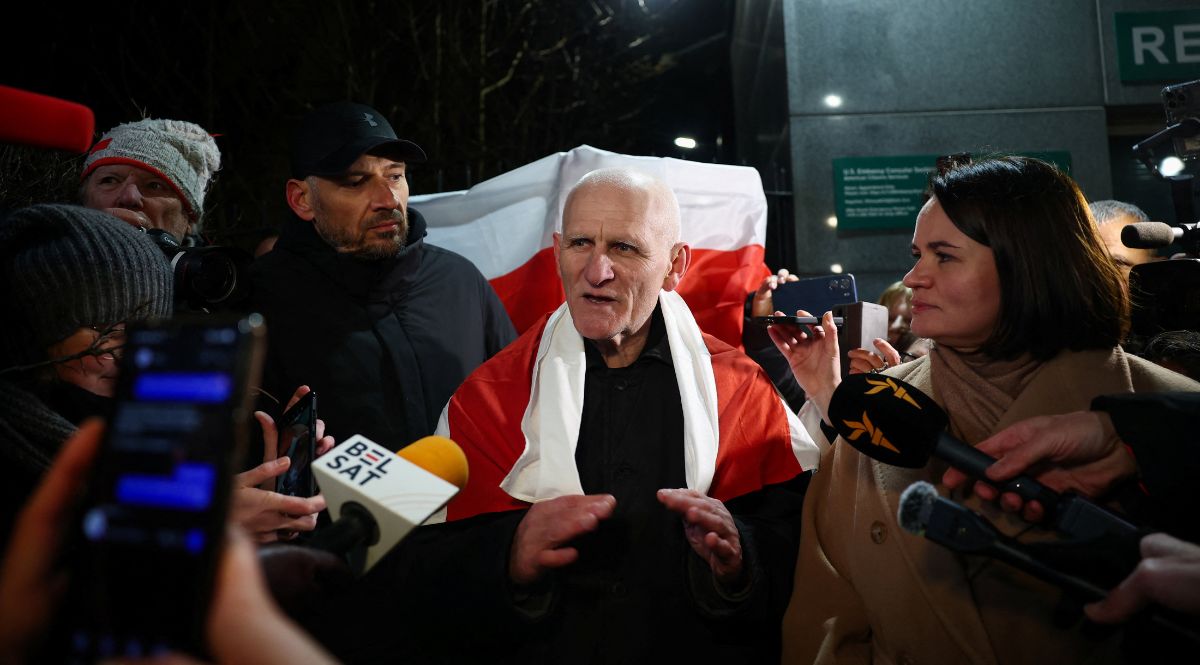
The Lithuanian state has been providing significant support to the Belarusian opposition for years. Since the rigged presidential election in 2020, it has refused to recognise Lukashenko as the legitimate president of Belarus. Furthermore, from August 2020 until early 2026, Sviatlana Tsikhanouskaya’s office was based in Vilnius (it has since been relocated to Warsaw). Following a resolution passed by the Lithuanian Parliament, it was the first country to recognise Tsikhanouskaya and the Coordination Council she established as the sole legitimate representatives of the Belarusian people. Furthermore, in 2024, it submitted evidence to the International Criminal Court, alleging crimes against humanity committed by the regime.
Lithuania is also exceptionally committed to the EU’s sanctions regime against Belarus. This has led, amongst other things, to the blocking of exports of Belarusian potash fertilisers via the port of Klaipėda. Furthermore, the Lithuanian authorities are actively seeking to further increase sanctions pressure against Lukashenko’s regime.
US-Belarus-Lithuanian relations
The Trump administration is keen to improve Belarusian-Lithuanian relations. Although it primarily describes this as an attempt to reduce Belarus’s dependence on Russia, it also sees a key objective to be the resumption of potash fertiliser exports from the ‘Belaruskali’ plants (approx. 20% of global production) via the port of Klaipėda. This would help to lower global prices for these fertilisers, of crucial importance to US agriculture, given US sanctions pressure on Canada (approx. 32% of global production). Prior to his March visit to Minsk—following which 250 political prisoners were released from Belarusian prisons—the US Special Representative for Belarus, John P. Coale, called on Lithuania to organise a meeting with Belarus at the level of deputy foreign ministers without any preconditions.
When it comes to relations with Belarus, the United States is putting pressure on Lithuania, but also on Poland and Ukraine. In May this year, the State Department sent a letter to representatives of these countries, indicating the US’s interest in lifting the ban on Belarusian fertiliser exports. This objective can only be achieved by lifting the EU sanctions, which the EU extended for a further year at the end of February this year, and Lithuania has repeatedly cited this fact as a factor preventing it from lifting the sanctions on its own. At the same time, its authorities are trying to adopt a wait-and-see approach in view of the mid-term elections in the United States scheduled for November this year. Lithuanian officials hope that the next Congress may be better placed to push for change in the administration’s approach towards Belarus.
The Lithuanian political elite’s stance on Belarus
Formally, the Inga Ruginienė government’s position was that it will open talks with Belarus only once the latter has ceased its hostile actions against Lithuania. At the same time, the Prime Minister did not rule out possible efforts to improve these relations in coordination with Poland. Following changes to the coalition, this approach will most likely be maintained by the new government, comprising the Lithuanian Social Democratic Party (LSDP), the Lithuanian Farmers and Greens Union (LVŽS), the Electoral Action of Poles in Lithuania – Union of Christian Families – AWPL-ZChR, and the Union of Democrats “In the Name of Lithuania” (DSVL). Improving relations with Belarus was not addressed in the new coalition agreement, which indicates a continued lack of specific provisions regarding this issue.
Lithuania’s ambivalent stance stems from the need to strike a balance between a consistent policy towards authoritarian Belarus and the need to maintain good relations with the United States, which maintains a defensive military presence in the Baltic states; this is reflected in differing approaches to Lithuanian-Belarusian relations. In May this year, Mindaugas Sinkevičius, leader of the Lithuanian Social Democratic Party (the largest party in the coalition) and future prime minister, called on the authorities to draw up a long-term strategy towards Belarus without ruling out the possibility of improving relations, particularly with US involvement. He points out that Russia is the beneficiary of the sanctions imposed on Belarus, as ‘Belaruskali’ products now reach global markets via Russian ports. Meanwhile, Foreign Minister Kęstutis Budrys—who was nominated by the party but is not a member—is sceptical about improving relations with Belarus, as is Virginijus Sinkevičius, leader of the DSVL, which also forms part of the new coalition. This cautious stance has the support of the President, who plays a leading role in shaping security policy in Lithuania. Gitanas Nausėda does not currently see suitable conditions for establishing political dialogue with Belarus, pointing to its close cooperation with Russia and lack of democratic aspirations, but he does not rule out the need to maintain technical contacts.
Meanwhile, Remigijus Žemaitaitis, leader of the second-largest coalition partner, the populist Dawn of the Nemunas, is calling for relations with Belarus to be stabilised as soon as possible. He argues that resuming fertiliser exports via the port of Klaipėda will enable Lithuania to secure additional funding. Following the party's recent expulsion from the governing coalition in June 2026, it is likely to adopt a similar stance whilst in opposition.
The centre-left LVŽS and the centre-right AWPL-ZChR, both members of the coalition, have not taken a clear stance. Previously, both parties had advocated a pragmatic approach to relations with Belarus, emphasising the economic benefits that lifting sanctions against the country would bring.
Meanwhile, the largest centre-right opposition party, the Homeland Union – Lithuanian Christian Democrats, has taken a negative position against talks on Lithuanian-Belarusian relations. According to its leader, Laurynas Kasčiūnas, despite the sanctions being imposed for ongoing repression and electoral fraud, the Belarusian regime is offering only minor concessions in exchange for their lifting. The party also opposes the start of high-level talks, warning that this could be perceived as recognition of Lukashenko’s presidency. At the same time, it advocates a pragmatic approach to improving US-Belarusian relations, signalling a willingness to make concessions to maintain good relations with the US.
Conclusions and outlook
The Lithuanian authorities are divided on the issue of potential improvement in relations with Belarus. On one side, President Nausėda, alongside the Minister for Foreign Affairs and the opposition, sees the lack of willingness to democratise in Belarus and the continued deepening of its cooperation with Russia as an obstacle to the restoration of relations with Lithuania. On the other side, Mindaugas Sinkevičius has not unequivocally ruled out initiating a process to improve Belarusian-Lithuanian relations. Žemaitaitis and his party went even further on this issue, pointing to economic considerations as an argument in favour of opening talks with Belarus. The removal of the Dawn of the Nemunas from the coalition and the inclusion of the Alliance of Democrats “In the Name of Lithuania” will strengthen the voices within the government in favour of maintaining a hardline policy towards Belarus.
The United States’ stance will be crucial to Lithuania’s future actions towards Belarus. Continued American pressure will strengthen the voices of that section of the Lithuanian elite which has not ruled out improving relations with Belarus. Furthermore, even those who favour maintaining a hard line towards Belarus have emphasised that maintaining close cooperation with the US is the most important thing, even if this requires making concessions in talks with the Belarusian regime. At the same time, the outcome of the mid-term elections in the United States may not lead to any easing of American pressure, as a change in approach towards Lukashenko’s regime had already been visible during Joe Biden’s presidency. However, regardless of US actions, the EU does not plan to amend the sanctions imposed on the Belarusian fertiliser industry before next year’s discussion on the matter.
Lithuania’s expression of interest in coordinating its actions with Poland may make it possible to develop a common position with a view to securing favourable conditions for improving Lithuanian-Belarusian and Polish-Belarusian relations. Given the US pressure to unblock supplies of potash fertilisers, this may require the creation of a joint agenda for talks with the US and, subsequently, with Belarus. If Poland and Lithuania coordinate their actions, they can use this unified approach to urge the United States to take their security interests into account as US-Belarusian relations continue to normalise.