Former president becomes new prime minister - Progressive Bulgaria's electoral victory
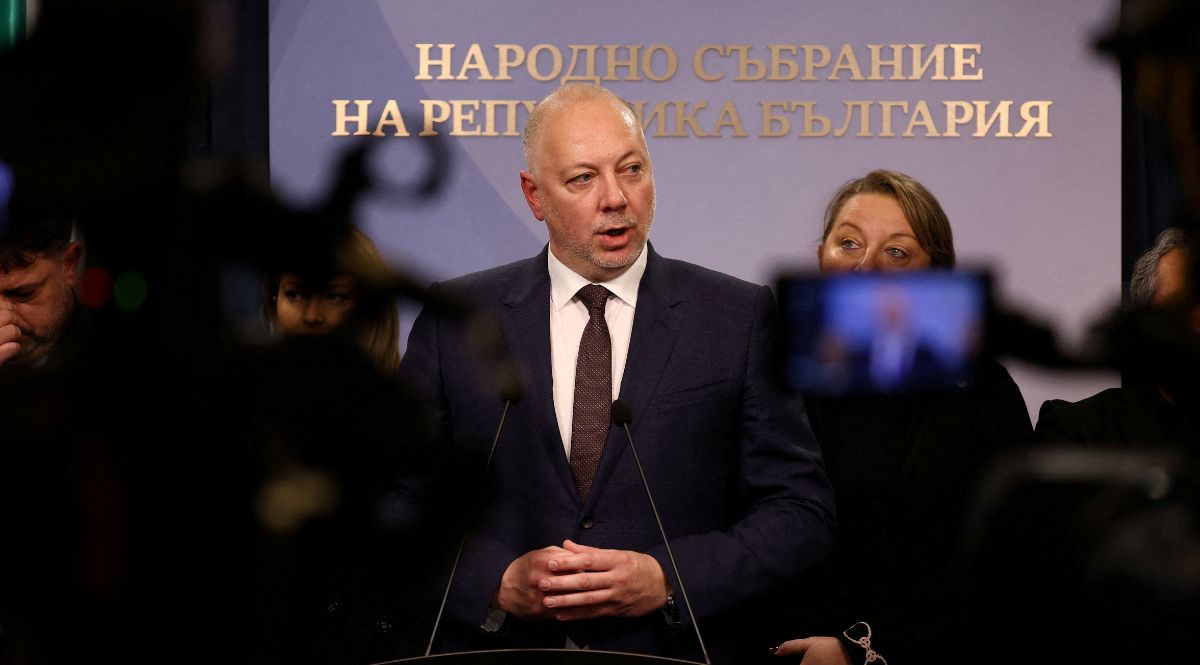
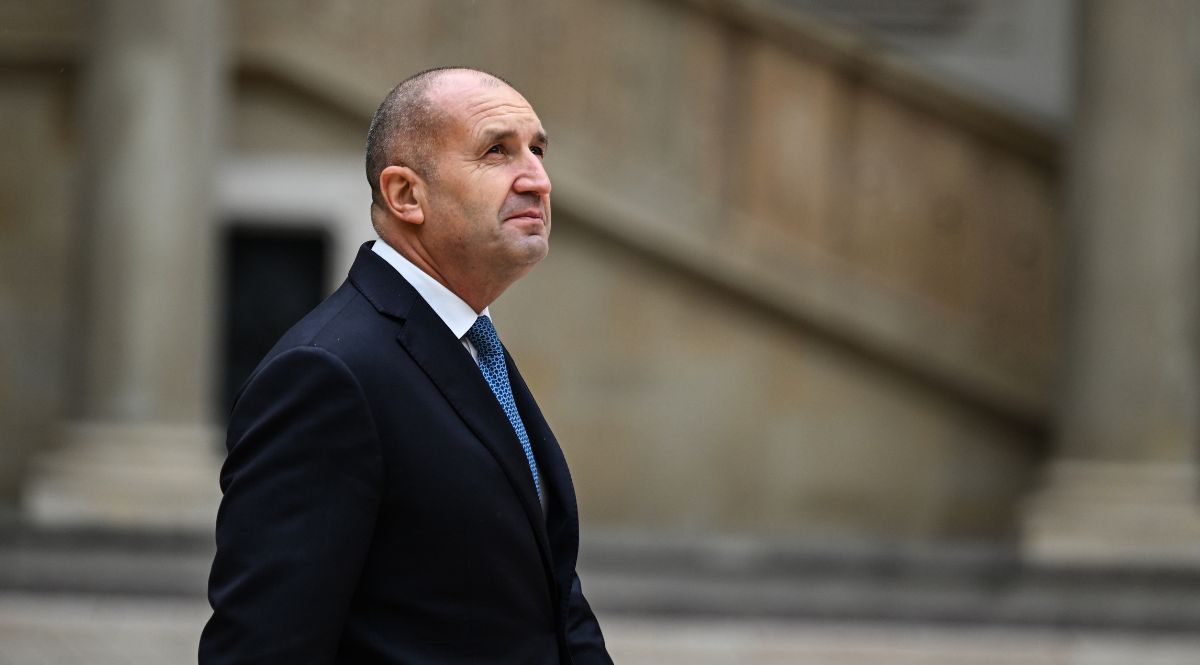
In the snap parliamentary elections held in Bulgaria on 19 April—the seventh since 2021—with a turnout of 50%, the left-wing nationalist coalition Progressive Bulgaria (PB), led by former President Rumen Radev, emerged victorious. The assumption of sole power should bring the country's ongoing political crisis to an end. At the same time, it may also lead to Bulgaria moving away from its openly pro-European and pro-Ukraine foreign policy.
 Stoyan Nenov / Reuters / Forum
What are the election results?
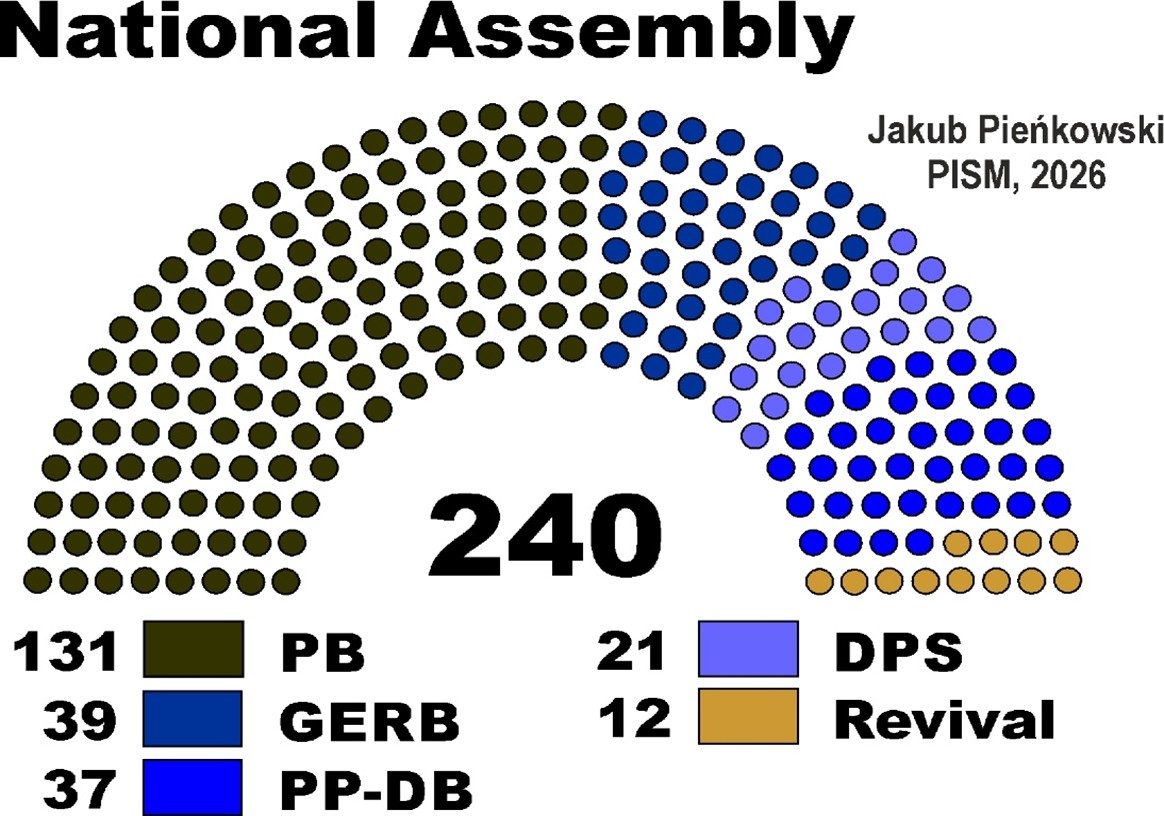
The snap elections, called in February 2026 by President Iliana Iotova after the resignation of the Rosen Zhelazkov government in December 2025, were won by Progressive Bulgaria. Formed in March 2026 under Radev’s patronage, PB gained 43.9% of the vote, which translates to 131 seats in the 240-seat National Assembly. The previously strongest centre-right Citizens for the European Development of Bulgaria (GERB) party, led by long-serving Prime Minister Boyko Borisov, won 13.2% of the vote and 39 MPs (27 fewer than in the outgoing term). Next was the reformist coalition We Continue the Change–Democratic Bulgaria (PP-DB), which secured 12.4% of the vote and 37 seats (+1). Weakened by internal splits, the Movement for Rights and Freedoms (DPS)—nominally representing the interests of the Turkish minority but in reality serving the oligarch Delyan Peevski—won 7% of the vote and 21 seats (-8, and -29 when including its splinter faction). The pro-Russian and nationalist Revival party narrowly crossed the 4% electoral threshold, holding 12 seats (-21). Parties with a similar ideological profile—the Bulgarian Socialist Party (BSP), Greatness, and Sword (Morality, Unity, Honour)—failed to meet this threshold and lost their seats in the Assembly. The same applies to the Alliance for Rights and Freedoms—the splinter faction of DPS—and the populist There Are Such a People (ITN).
What secured victory for Progressive Bulgaria?
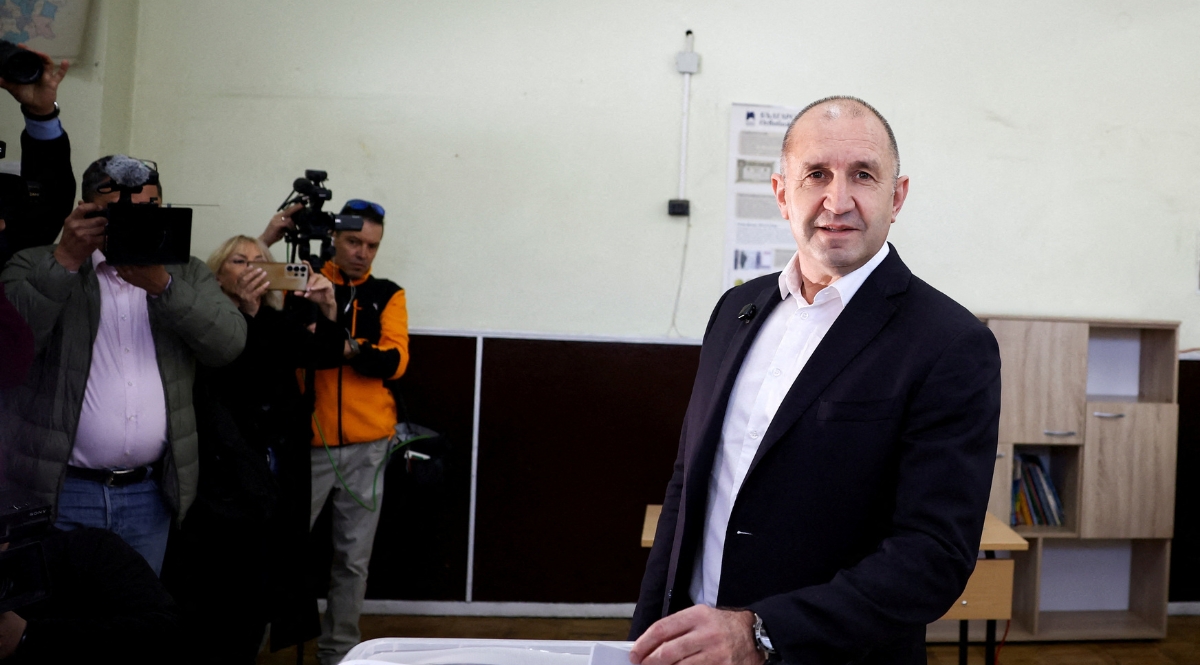
PB’s success was secured by Radev positioning himself as the sole leader unentangled in party disputes and capable of breaking the deadlock in the ongoing political crisis. He blamed the oligarchic and corrupt alliance between GERB and DPS, alleging that PP-DB was supporting them. He relied on his personal popularity built up over his two presidential terms, during which he presented himself as the main critic of Borisov and Peevski. In the face of the snap parliamentary elections being announced and the last year of his presidency, Radev stepped down from office before the end of his final term. With no time to build an entirely new party, he instead formed a coalition based on three marginal extra-parliamentary parties. During the campaign, PB presented itself as anti-oligarchic and socially progressive, but conservative on moral issues. On international matters, it resorted to platitudes to win over as broad an electorate as possible. This strategy secured the support of 67% of voters, many of whom had not voted previously (the turnout was 11.1 percentage points higher than in the previous election), and around half of those who had previously voted for the BSP, ITN and nationalist parties.
How will Bulgaria’s policy within the EU and towards candidate countries change?
As prime minister, Radev is likely to continue the moderately Eurosceptic stance held during his presidency, having criticised the PP-DB and GERB governments for their alleged subservience to EU partners. Joining the Schengen Area in 2025 and the eurozone in 2026 allowed Bulgaria to move away from its hitherto cautious policy towards the EU, which was driven by fears that other member states might block its accession. However, Radev is not ideologically opposed to deeper integration, and following Viktor Orbán’s defeat in the Hungarian elections, any potential inclination towards confrontation will be curbed by the reduced number of potential allies within the EU, as well as Bulgaria’s dependence on European funds. Radev’s government is likely to move away from the previous policy of unequivocal military support for Ukraine, though it is likely to continue selling weapons to them. On the same time Bulgaria would remain favourable towards Ukrainian integration with the EU. Furthermore, Radev may call for the easing of EU sanctions imposed on Russia, viewing them as ineffective and detrimental to the Bulgarian economy. The new government is expected to maintain the uncompromising stance on North Macedonia’s EU membership and to block its accession by demanding concessions on identity issues—as president, Radev was the originator of the still unfulfilled demand to enshrine Bulgarians as a state-forming nationality in the Macedonian constitution.
What would Bulgaria’s policy towards the US and within NATO look like?
The PB government is likely to maintain good relations with the US, but will not seek to ingratiate itself with President Donald Trump. As president, Radev rejected Trump’s invitation to join his Board of Peace, and has now announced that he will not ratify the accession declared in January by Rosen Zhelev’s government. Following the elections, Radev emphasised Bulgaria’s unquestionable loyalty to the NATO alliance. However, he is unlikely to be interested in the ambitious demands of some partners within the Bucharest Nine to strengthen the Eastern Flank, as he views these as generating unnecessary costs and tensions in relations with Russia. He will continue to treat Türkiye’s revisionism as a major danger to Bulgaria’s security, as Turkey has been challenging the borders established after the First World War and exploiting Bulgarian Turks (8.5% of the population) to affect internal Bulgarian policy.


.png)