Victories for Die Linke and the AfD in the Berlin and Mecklenburg-Western Pomerania Elections
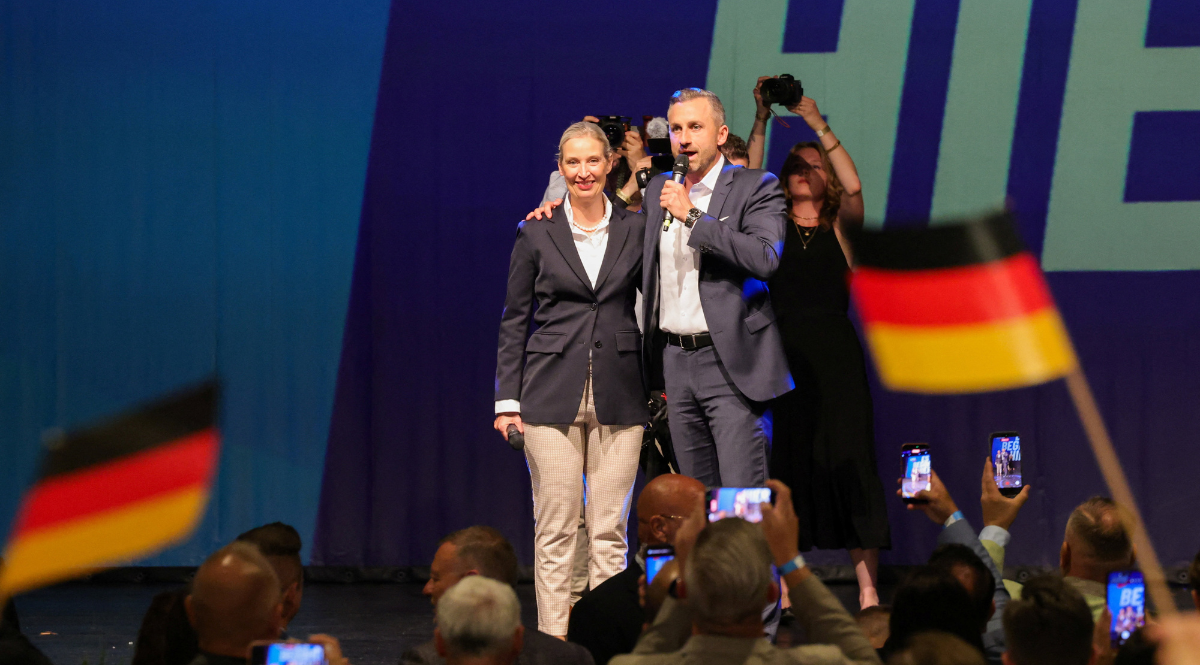
In the September 20 state parliamentary elections in Berlin and Mecklenburg-Western Pomerania, radical parties emerged victorious. In the German capital, the left-wing Die Linke won for the first time in history (25.8% of the vote), while in Mecklenburg, the far-right Alternative for Germany (AfD) won with 38.2% of the vote. The biggest loser in the elections is the Christian Democratic Union (CDU), which may lose power in Berlin (18.8% of the vote) and, for the first time, find itself outside the Mecklenburg state parliament (4.9%). These results undermine the position of Chancellor Friedrich Merz, for whom maintaining his current tenure until the 2029 Bundestag elections is now in doubt.
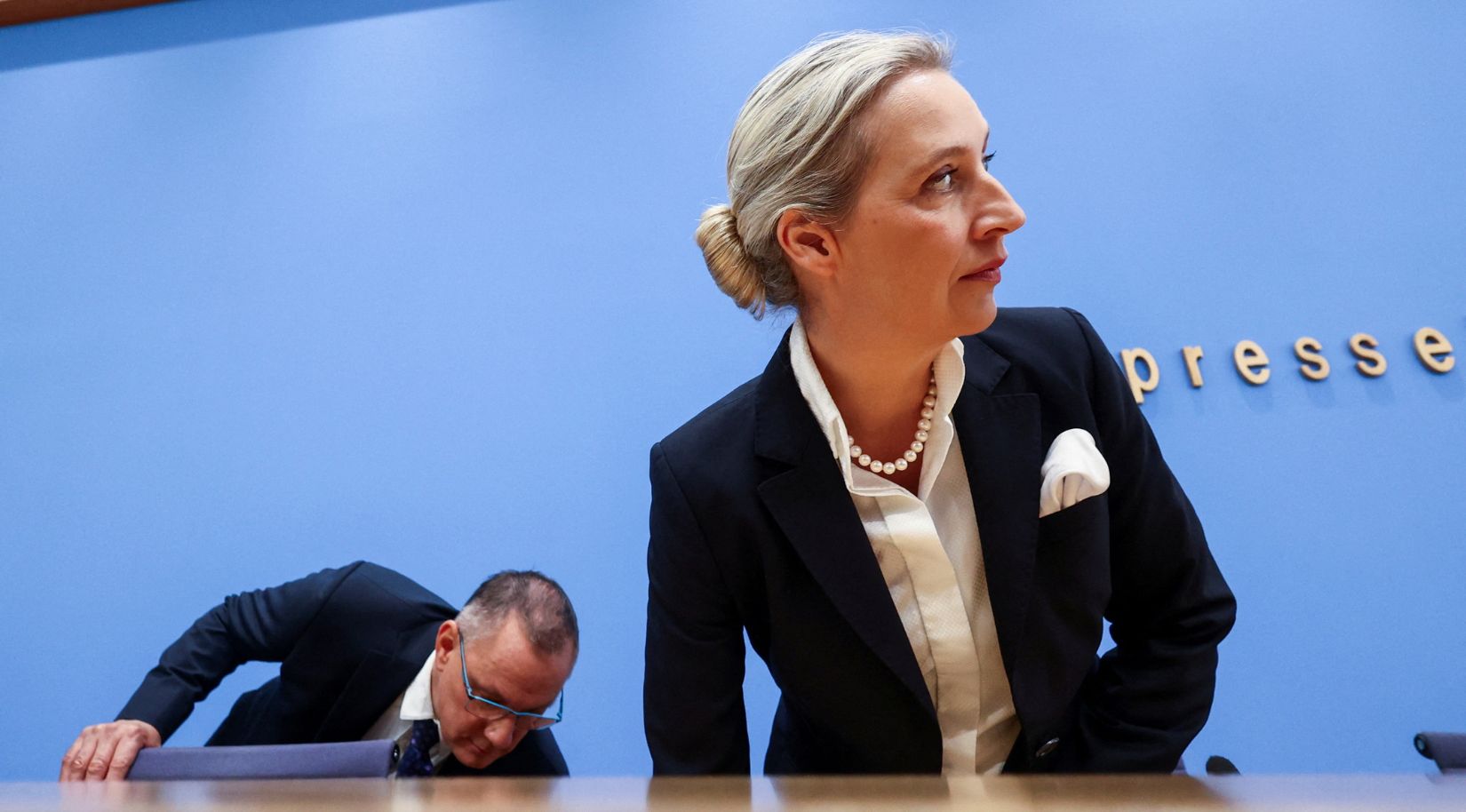 Liesa Johannssen / Reuters / Forum
What factors contributed to the success of Die Linke and the AfD?
Their victory was made possible by effective election campaigns that linked the concerns of local communities with the platforms of these parties. Die Linke’s key campaign promise in Berlin was to address housing issues. The party proposed that real estate investment funds be expropriated and handed over to the Berlin authorities for management. To mobilise its own voter base, it also raised other issues important to left-wing voters, including greater inclusivity and the fight against discrimination. The AfD implemented a similar campaign model in Mecklenburg-Western Pomerania. Its demands included the expansion of social benefits for families with children, which would improve the state’s demographic situation. It also promised to curb illegal migration and to establish units within the state police dedicated to deporting individuals without legal residency (in cooperation with the Polish police). Although these issues fall outside the jurisdiction of the state government, the AfD called for improved relations with Russia, and in particular for the launch of the Nord Stream 1 and 2 gas pipelines—whose terminal is located in Mecklenburg—which would bring economic benefits to the state.
What are the reasons for the CDU’s defeats?
The centre-right’s defeats stem from disappointment with its accomplishments at the state and federal levels. According to a survey conducted in September of this year, only 17% of Berlin residents viewed the performance of the city’s government, led by CDU Mayor Kai Wegner, favourably. The same percentage of respondents supported Chancellor Friedrich Merz’s government. In Mecklenburg-Western Pomerania, the nature of the election campaign was decisive in the centre-right’s defeat. Faced with the prospect of an AfD victory, state Premier Manuela Schwesig (SPD) presented her party—which was in second place in the polls—as the only force capable of preventing the far right from taking power. The polarisation along the AfD-SPD axis weakened the other parties, including the CDU. Premier Schwesig also criticised Merz’s planned pension reform, which would have curtailed certain benefits. Media speculation about the chancellor stepping down if the party failed to clear the electoral threshold also worked against the CDU—in the final week of the campaign, it saw its support drop in the polls from 7% to 4.9%.
How is the German political scene changing?
The election results in Berlin and Mecklenburg-Western Pomerania, as well as the AfD’s recent success in the Saxony-Anhalt election, indicate that the CDU and SPD are gradually losing their position as the country’s leading parties. Their rivals are benefiting from these developments, especially the AfD, which has been leading nationwide polls for months with about 29% support, while the CDU can count on 20% and the SPD on 13%, slightly ahead of Die Linke (11%). The weakening of the CDU and SPD’s positions is accompanied by a process of radicalisation among voters, especially the youngest cohort (up to age 24). A significant portion of young voters support the AfD and Die Linke, believing that the other parties do not offer solutions to their problems. In this age group, Die Linke received 43% of the vote in Berlin, while the AfD received 33% in Mecklenburg; the CDU, meanwhile, garnered only 8% and 2% of the youngest voters’ votes, respectively. Growing political fragmentation, coupled with the other parties’ policy of isolating the AfD, will force the formation of complex three-party coalitions at the state level. Due to differences in their platforms, the effectiveness of these coalitions will be limited, which may further boost the AfD’s popularity.
What are the consequences of the election results for Chancellor Merz’s future?
The CDU’s defeats, particularly its result in Mecklenburg-Western Pomerania, have further undermined Chancellor Merz’s position. Given the extent of dissatisfaction within the party, he cancelled his participation in the UN General Assembly session, choosing instead to hold consultations with the CDU’s executive board and parliamentary group. Although he has announced that he will continue with reforms as a key element of his political agenda, the results of the recent elections and the resulting political pressure cast doubt on whether he will stay in office as chancellor until the end of his term in 2029.
There is also a risk that the government’s work could be adversely affected by the CDU and SPD’s differing interpretations of the state election results. The Christian Democrats are emphasising the need to accelerate reforms aimed at improving the economic situation, while the Social Democrats will seek to limit spending cuts, which could lead to a crisis within the ruling coalition. Merz benefits from the strength of the chancellor’s position in the German political system: unless he resigns, he can only be removed by the Bundestag through a constructive vote of no confidence. Moreover, there is no other politician in the CDU who would be a natural contender for his position. Coalition negotiations on reforms and the CDU’s and the government’s approval ratings in the coming months will play a crucial role in deciding Merz’s future.