The seventh round of Belarusian-American talks
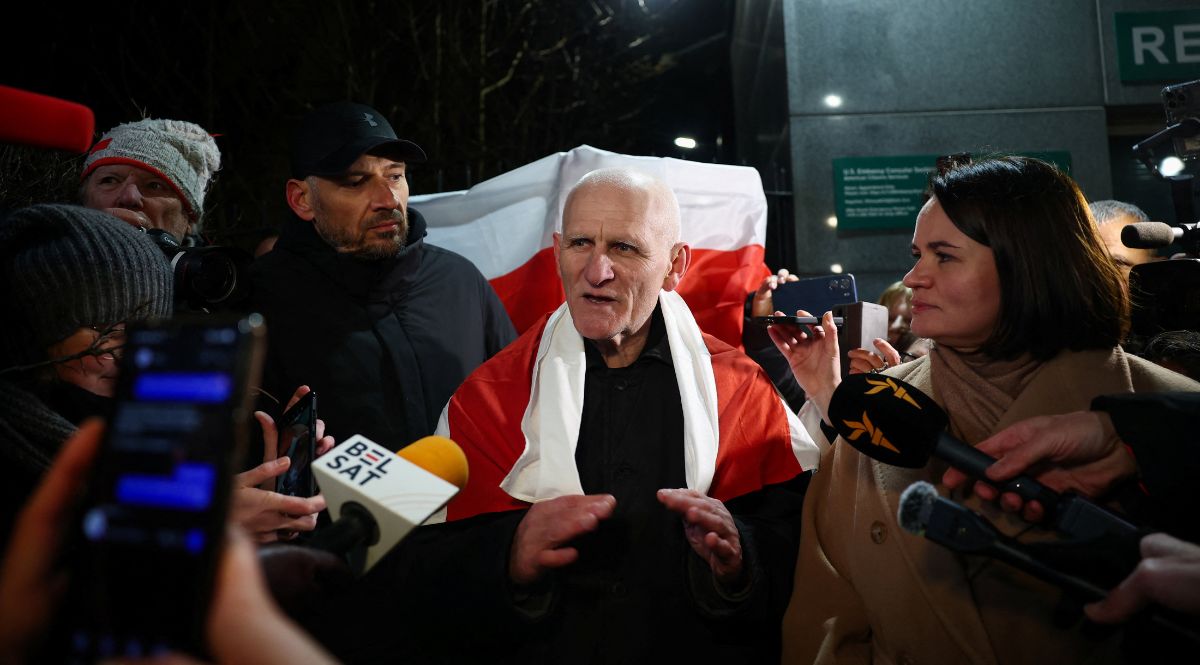
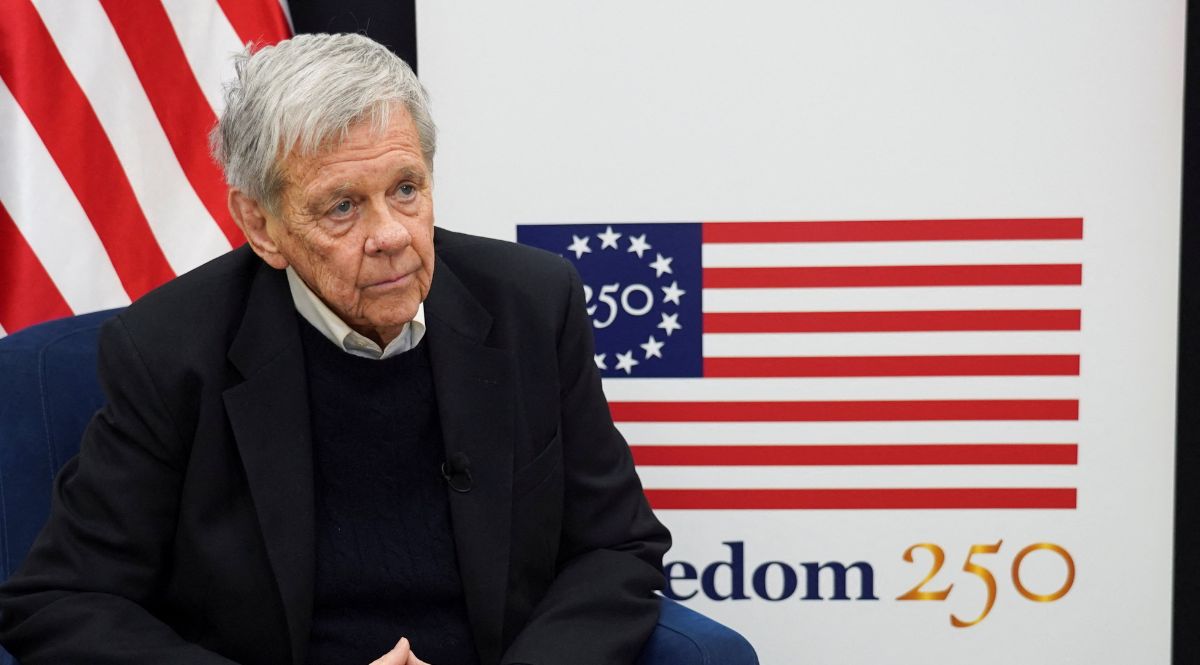
On 15 and 16 September, further Belarusian-American talks took place in Minsk, attended by Alexander Lukashenka and Donald Trump’s envoy, John Coale. These talks resulted in the release of an additional 25 political prisoners and the lifting of sanctions imposed on two Belarusian companies. Both sides have announced that they will continue the talks, which may lead to new expectations regarding Lithuania and Poland.
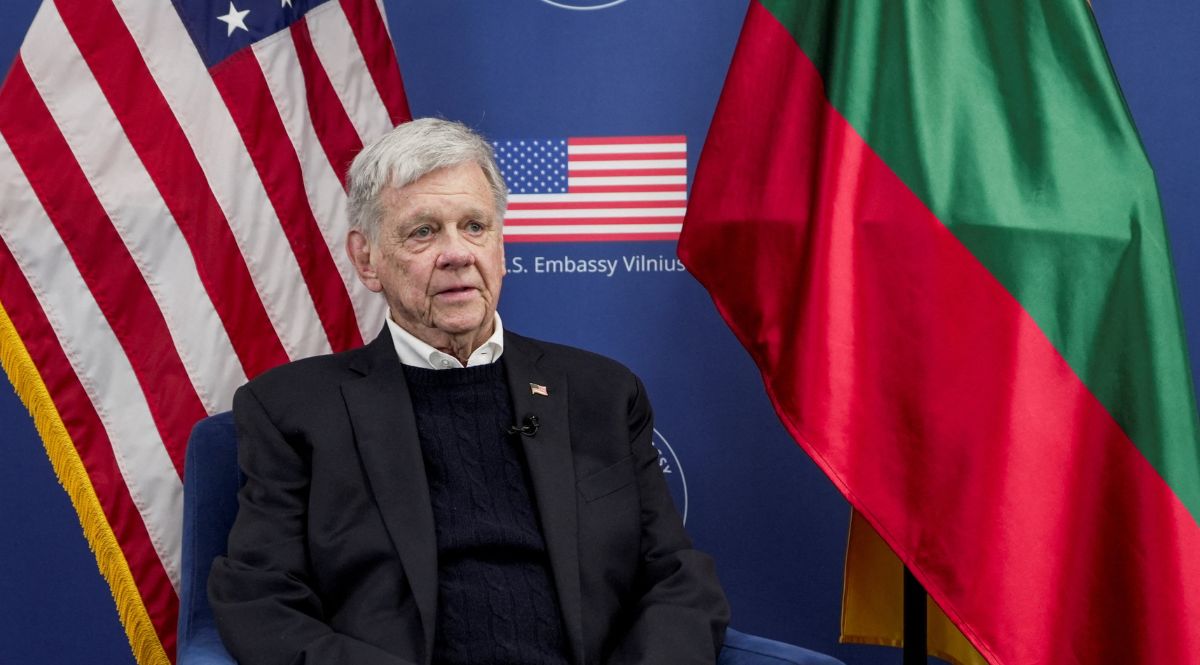 Janis Laizans / Reuters / Forum
What were the key topics and outcomes of the talks?
According to official statements, the two delegations discussed topics such as the security situation in Europe—including the war in Ukraine—as well as the prospects for the development of bilateral economic relations. Belarusian Prime Minister Alexander Turchin took part in the negotiations for the first time. The talks resulted in the Belarusian authorities releasing 25 political prisoners (including journalists and artists) and the US lifting sanctions on two Belarusian companies: Lakokraska, a manufacturer of paints and varnishes (which had been subject to restrictions since 2008 as one of the subsidiaries of the Belneftekhim group) and the timber-processing group Bellesbumprom, which was added to the sanctions list in 2023. The US also called on American banks to unfreeze Belarus’ frozen assets, especially the approximately $43 million of Belarusian funds held at Citibank. Summing up the results of the negotiations, Coale described the agreement reached with Belarus as interim, which shows that both sides had expected more regarding the final outcome.
What was the context of Coale’s visit?
Coale’s visit had originally been announced back in May, but was postponed several times, pointing to difficulties in the bilateral negotiations process. Although Coale’s visit did not yield any significant successes, his presence suggests it was also linked to the failure of the US delegation’s visits to Moscow and Kyiv, which failed to break the deadlock over ending the war in Ukraine. Coale’s visit also coincided with another major test this year of the combat readiness of the Belarusian armed forces. During this exercise, Belarusian Defence Minister Viktar Khrenin was on a working visit to Beijing, where, speaking at the Xiangshan Forum, he emphasised that a new multipolar security architecture is taking shape, which entails an increased risk of armed conflicts. Khrenin’s statement suggests that Belarus will seek to position itself as a source of stability in Europe (as was the case between 2016 and 2020), and will also utilise this stance in further negotiations with the US.
What further steps might the two countries take?
Both sides have declared their intention to continue negotiations. The US hopes that the Belarusian regime will cease its repressive actions and release all political prisoners. The Americans have also most likely expressed their expectation that Belarus cease its hybrid activities against neighbouring NATO states (in recent months, the situation on the border with Latvia has been particularly challenging). For their part, the Belarusian authorities are counting on the US being able to exert pressure on Lithuania to unblock access to its ports, particularly the terminal in Klaipėda, which Belarus co-owns and which it has previously used to export potash fertilisers. They may also have expressed the expectation that Poland will allow the transit of Belarusian goods through its ports in future. Lukashenka may also be considering a visit to the US for the next meeting of the Board of Peace, but only on condition that the American side offers him additional, personalised elements for the visit’s programme.