The International Criminal Court under increasing pressure
The work of the International Criminal Court (ICC) is increasingly hampered by hostile actions by several states—particularly the US—announcements by some member states of their intention to withdraw, failures to comply with some arrest warrants, and internal problems. However, the two most realistic current alternatives, uncoordinated individual state action or impunity for perpetrators of international crimes, would be much worse. Therefore, it would be advisable to strengthen cooperation and solidarity amongst ICC members to ensure the Court’s survival and stable operation.
 Geert Vanden Wijngaert / Reuters / Forum
US policy
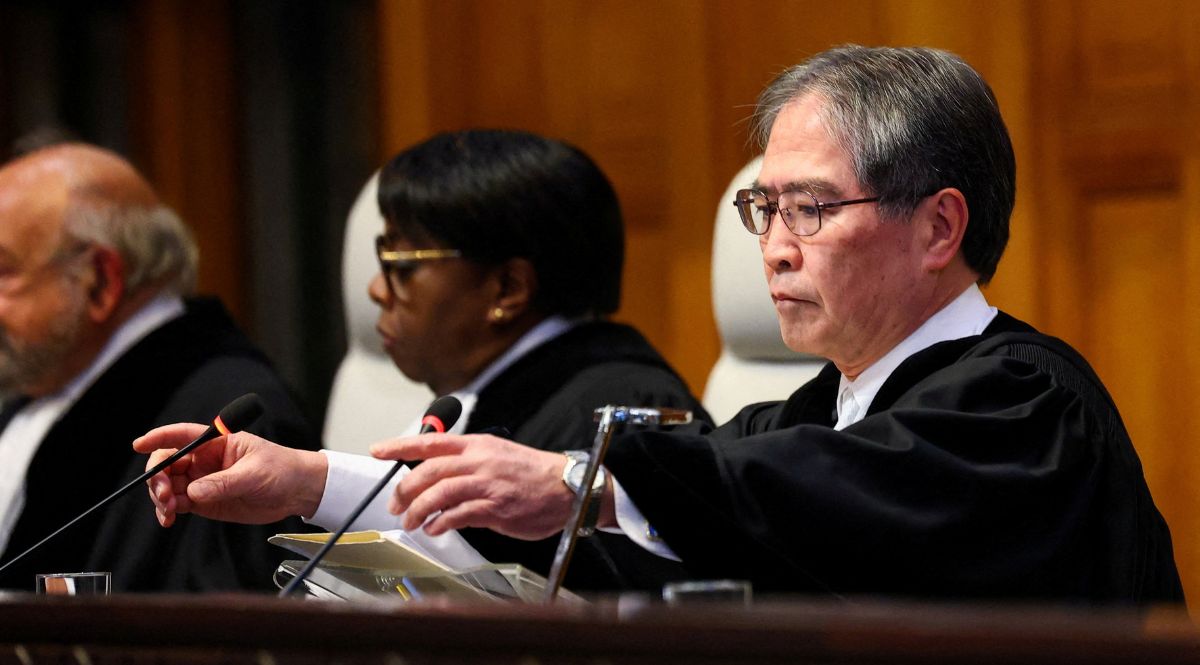
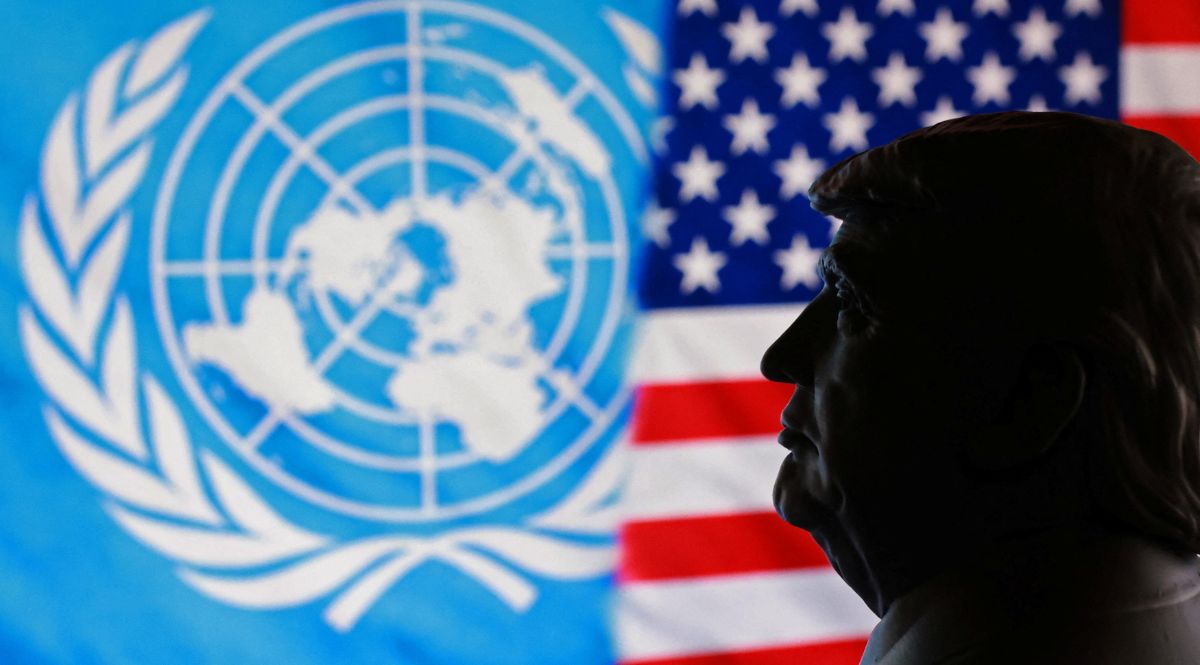
Arguably the biggest challenge currently facing the ICC is the US campaign, launched on 13 July, intended to paralyse its operations. The US is not a member of the Court and has for years taken a critical stance towards it. The State Department has announced that it will put pressure on its allies to ensure impunity for US citizens and, ideally, to withdraw from the ICC—particularly if they benefit from US protection or cooperate with US law enforcement agencies and armed forces (as Poland does). Pressure was already exerted at the NATO summit in July, among other occasions. It was also announced that new sanctions would be imposed on the Court and its staff, building on the sanctions introduced in February 2025, which included travel bans for certain individuals, freezing their assets in the US, and cutting them off from banking services and US products and services from companies such as Amazon, Booking, Facebook, and Google. The measures aimed to force the ICC to revoke its arrest warrants for Israeli Prime Minister Benjamin Netanyahu and Defence Minister Yoav Gallant, which had triggered sharp criticism from the US administration. The measures affected thirteen individuals, mainly prosecutors and judges involved in issuing the warrants, including some citizens of US allies, such as President Tomoko Akane, who is Japanese. While these measures are severe for those affected and are damaging the working atmosphere at the ICC, the court has so far managed to operate relatively normally. However, if the US follows through on reported plans to make the court itself subject to similar restrictions to those imposed on its staff, this functional resilience could abruptly collapse. Such restrictions would severely hinder the court’s ability to pay salaries, undertake business travel, and utilise ICT systems. Secondary sanctions—that is, those targeting anyone who cooperates with the ICC—could, in turn, paralyse the court’s ability to take evidence from witnesses or draw on expert knowledge.
In order to achieve its objective, the US has declared its readiness to cooperate with states that are not members of the court—potentially including China and Russia. One possible reason for this policy is the fear among the members of the current administration—particularly President Donald Trump, Vice President J.D. Vance, and Secretary of War Pete Hegseth—of facing ICC scrutiny once Trump’s term ends in 2029. Potential proceedings could relate to their ordering of attacks on smuggling vessels in the Caribbean, intervention in Venezuela, the deportation of prisoners from the US to El Salvador, and breaches of humanitarian law in the war with Iran. However, it is more likely that possible proceedings would concern their complicity in alleged Israeli crimes in Palestine.
Other challenges
Other states, notably Israel and Russia, are also taking hostile measures against the Court. From around 2017, Israeli intelligence sought to intimidate and discourage former ICC chief prosecutor Fatou Bensouda from pursuing cases involving Israeli citizens. In December 2025, for issuing an arrest warrant for President Vladimir Putin, Russia sentenced eight judges and the recently dismissed ICC chief prosecutor, Karim Khan, to prison terms in absentia, and on 8 October this year Russia submitted a request to the Netherlands for their arrest and extradition (which will not take place for political reasons).
The ICC also faces the additional problem of some member states failing to execute its arrest warrants against sitting state leaders. For instance, Mongolia and Tajikistan not only failed to detain Putin, but also welcomed him with honours in September 2024 and October 2025, respectively. Meanwhile, Hungary permitted Netanyahu to visit in April 2025 with no intention of handing him over to the ICC.
Furthermore, since June this year, six countries have announced their withdrawal from the Court: Niger, Burkina Faso, Mali, Venezuela, Chad, and Nauru. The decisive factors for African countries were their increasing authoritarian tendencies and fears among their leaders regarding potential ICC reactions to their domestic and international actions. However, Venezuela and Nauru’s withdrawals were likely prompted by pressure from the US, which exerts significant influence over both countries’ policies. Meanwhile, media reports indicate that other countries, such as Colombia and Tajikistan, are also considering withdrawing from the ICC.
For around a year, the ICC’s operations were also severely hindered by disciplinary proceedings against chief prosecutor Karim Khan, prompted by allegations of sexual misconduct raised by one of his subordinates. However, Khan consistently maintained that the allegations were false and that they were, in fact, retaliation by Israeli intelligence for the arrest warrants he had secured for Netanyahu and Gallant, as well as a pre-emptive attempt to block pending warrants for ministers Bezalel Smotrich and Itamar Ben-Gvir. The ultimate fate of these warrants remains unclear, as the ICC increasingly relies on filing under seal—they may, for example, have been issued and forwarded to ICC member states without being disclosed. For its part, Israel maintained that Khan was using the warrants to divert attention from his own misconduct. Ultimately, the Assembly of States Parties voted to dismiss Khan at the end of July, endorsed by 82 out of 125 ICC member states. While doubts remain over the validity of the allegations against him, the proceedings divided the ICC staff into rival camps, and his continued leadership of the Court’s investigative division risked further eroding the Court’s external credibility. His dismissal is therefore understandable in terms of resolving the institution’s reputational problems, yet it now leaves the Court with the necessity of selecting a successor to lead the ICC’s investigations.
The importance of the ICC and reactions to its problems
The ICC remains one of the key pillars of the international legal order. By prosecuting state leaders (including, apart from Netanyahu and Putin, the President of the Philippines, Rodrigo Duterte, or the Libyan leader Muammar Gaddafi), it has curbed the impunity they previously enjoyed, making it more difficult for them to pursue aggressive policies and violate human rights. As the ICC operates on a permanent basis, the need for ad hoc tribunals, such as those dealing with crimes in the former Yugoslavia and Rwanda, has diminished, and the ICC’s operations have also become more cost-effective and professional. In response to initial reservations expressed by African states, the Court has recently focused more strongly on crimes committed outside Africa, including in the Philippines and Myanmar, as well as on those committed in the territories of its member states by Belarus, Israel, and Russia.
This demonstrates that the ICC’s continued operation is valuable to many states, particularly democratic ones. Following the US’s announcement of its campaign against the Court, the European Union and some of its member states—including the Netherlands, where the ICC is based—came out in strong defence of the Court. Open support was also expressed by its largest contributors: Japan, Germany, France and the United Kingdom. Meanwhile, the ICC has already taken steps to partially shield itself from US restrictions, including switching from Microsoft software to the German firm openDesk, replacing banking and insurance service providers with ones that have no links to the US, and paying salaries in advance. However, some of these measures have not yet been finalised. Should sanctions be imposed, therefore, the EU is considering invoking its Blocking Statute. This regulatory mechanism would forbid European companies from complying with US secondary sanctions and enable them to recover damages, in order to guarantee the continuity of the ICC’s operations.
Recommendations
In the face of growing challenges, closer cooperation among ICC members, particularly at the political level, is essential. Close coordination between EU members, as well as informal consultations with like-minded ICC member states such as Brazil, Canada, Japan and Mexico, could support the ICC’s continued work. The selection of the next chief prosecutor should also be expedited, ideally favouring a candidate from a state capable of providing strong diplomatic backing and influencing President Trump. Efforts to ensure the Court’s independence from US suppliers of goods and services or those associated with the US should also be stepped up, for example by establishing joint ventures owned by a group of ICC member states. Furthermore, the ICC could consider switching to the euro for settlements (e.g. contributions) and using the European financial infrastructure for payments. If sanctions are imposed, Poland could support the application of the Blocking Statute and join any statements by ICC members urging the US to withdraw the measures.