The European Council takes a tougher stance towards China
An important topic discussed at the European Council meeting on 15–16 October was the sharp increase in imports from China, which is damaging EU industry. Germany’s shift in approach has enabled the EU to take a tougher stance towards the PRC, including reforming existing defensive mechanisms and announcing work on a tool that would allow the EU to close off its market. China will seek to prevent the EU from implementing tougher policies, potentially through retaliatory measures, which could lead to a trade war between the EU and the PRC.
 Yves Herman / Reuters / Forum
Why did the Council focus on China?
At its previous meeting in June, the European Council announced that it would present its response to “China Shock 2.0” at the next meeting. This term refers to the influx of Chinese imports, which pose a threat to EU industry. In the long term, this situation could increase dependence on Chinese production, lead to the closure of European factories, drive up unemployment and trigger social unrest. The EU’s trade deficit with China reached a record €360 billion in 2025, and the European Commission predicts it will rise further still in 2026. According to data from the Rhodium Group, imports of conventional hybrid electric vehicles (HEVs) and plug-in hybrid electric vehicles (PHEVs) from China to the EU have increased significantly, rising from around 50,000 units in 2022 to around 500,000 in 2025. It is estimated that in 2026 this figure could reach 700,000. Imports of steel, chemical products, pharmaceuticals and machinery from China are also on the rise.
What steps were taken in the lead-up to the Council meeting?
Since its June meeting, the Commission has been working to strengthen existing instruments and propose new ones to protect the EU market. It has also engaged in diplomatic efforts with China, which aimed to persuade the Chinese authorities to reduce exports of certain goods to the EU, particularly HEVs and PHEVs.
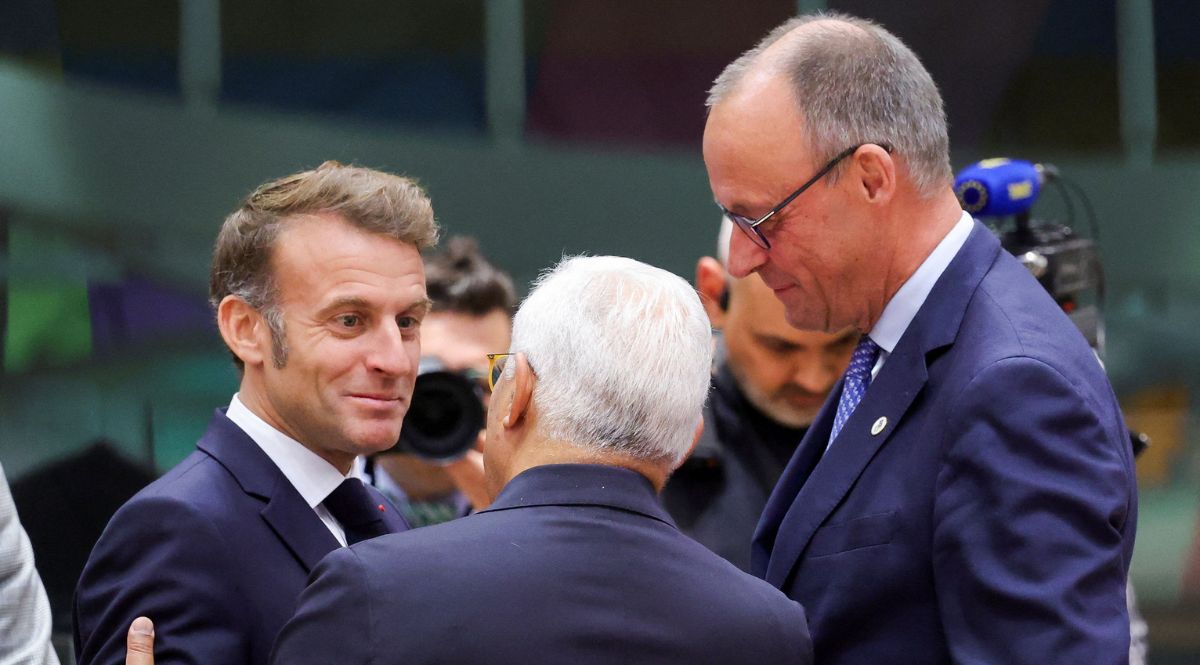
On 5 October, Germany and France sent a letter to the Commission proposing reforms to the existing defensive measures so that they would cover a wider range of products and be easier and quicker to activate. The letter also includes a proposal to set up a mechanism that would enable immediate suspension of an exporter’s access to the EU market (the “kill switch”). This letter is considered a breakthrough, marking a clear change in Germany’s stance. For years, facing pressure from large corporations doing business with China, Germany had been hesitant to take a tougher stance for fear of Chinese retaliation. However, the prospect of significant job losses in Germany has triggered a reassessment by major German companies.
During his visit to China on 8–9 October, European Commissioner for Trade Maroš Šefčovič brokered an agreement under which China will halve its exports of HEVs and PHEVs to Europe within four years (to around 350,000 vehicles per year). China has reportedly accepted the EU's right to activate safeguard mechanisms (in accordance with WTO rules) and temporarily restrict imports of goods from outside the European Economic Area if they pose a threat to European producers. The PRC also agreed to reduce tariffs on European products worth €4 billion.
What decisions did the Council make?
The European Council unanimously agreed that the Union must respond swiftly to the unacceptable and growing trade deficit with China. The EU will adopt a two-pronged approach. On the one hand, it will continue to engage in dialogue with China—with Šefčovič’s visit offering a clear demonstration that agreements on import restrictions are possible. On the other hand, it will actively make use of existing protective instruments and safeguards. To address structural imbalances, new mechanisms will be implemented to reduce dependence on a single supplier. In December, the Commission will present the DiversifyEU mechanism, which has been designed for this purpose. The Commission will also introduce a solidarity instrument and a new mechanism allowing for the immediate restriction of access to the single market, based on proposals from the Franco-German letter.
How will the Council’s decisions affect EU-China relations?
EU-China relations are expected to remain tense in the coming months. At the recent European Council meeting, the EU succeeded in maintaining unity and announcing decisive action—something that would have seemed highly improbable just a few months ago. The success of EU policy will depend on its ability to maintain this unity and consistently implement the conclusions of the European Council. China will almost certainly seek to disrupt the drafting and enactment of new EU mechanisms. Depending on China’s calculations, Europe should prepare for backchannel attempts to undermine EU unity in order to prevent the implementation of these new instruments. China may also take retaliatory measures, such as imposing stricter export controls (for example, on rare earth metals, which would affect the European defence sector), or raising tariffs on EU exports to China. Such an escalation could lead to a trade war between China and the EU. Furthermore, having recently stabilised relations with the US, the authorities in Beijing may now be more inclined to take assertive action against the EU.