Pashinyan's party wins parliamentary elections
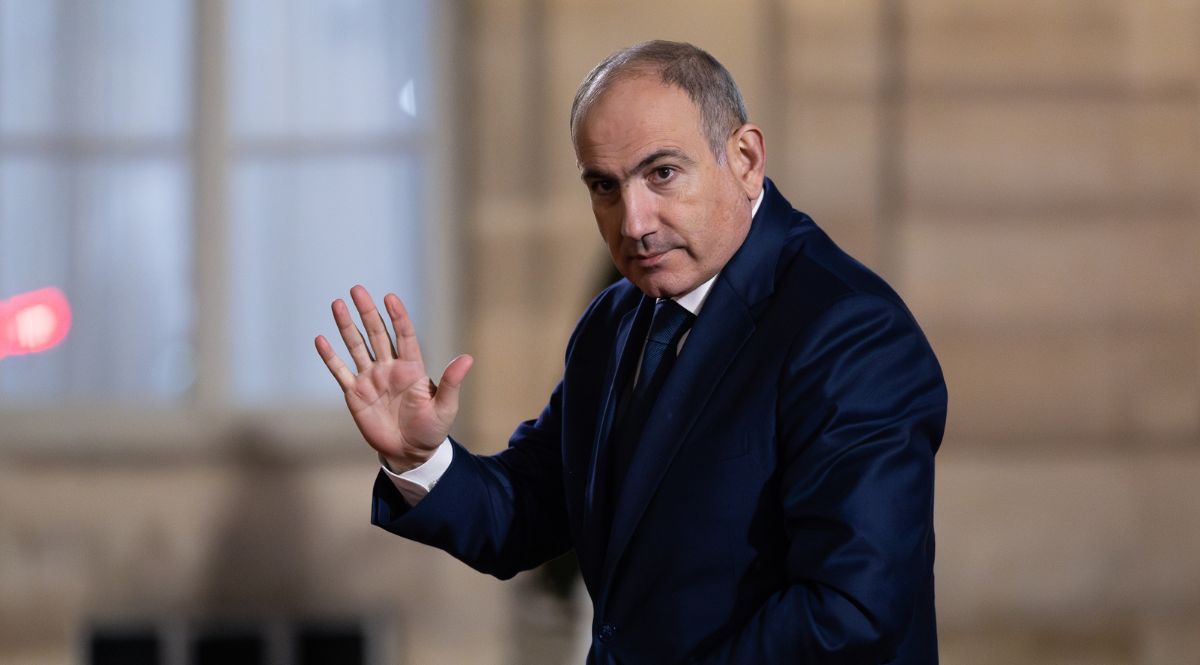
Prime Minister Nikol Pashinyan’s Civil Contract party, which has governed Armenia since 2018, won the parliamentary elections on 7 June this year, securing almost 50% of the vote. Pashinyan will retain power and continue to pursue closer ties with the West, whilst attempting to maintain good relations with Russia. However, his party failed to secure a constitutional majority, which will complicate the peace process with Azerbaijan and the normalisation of relations with Turkey.
 Alexis Sciard / Zuma Press / Forum
What are the election results?
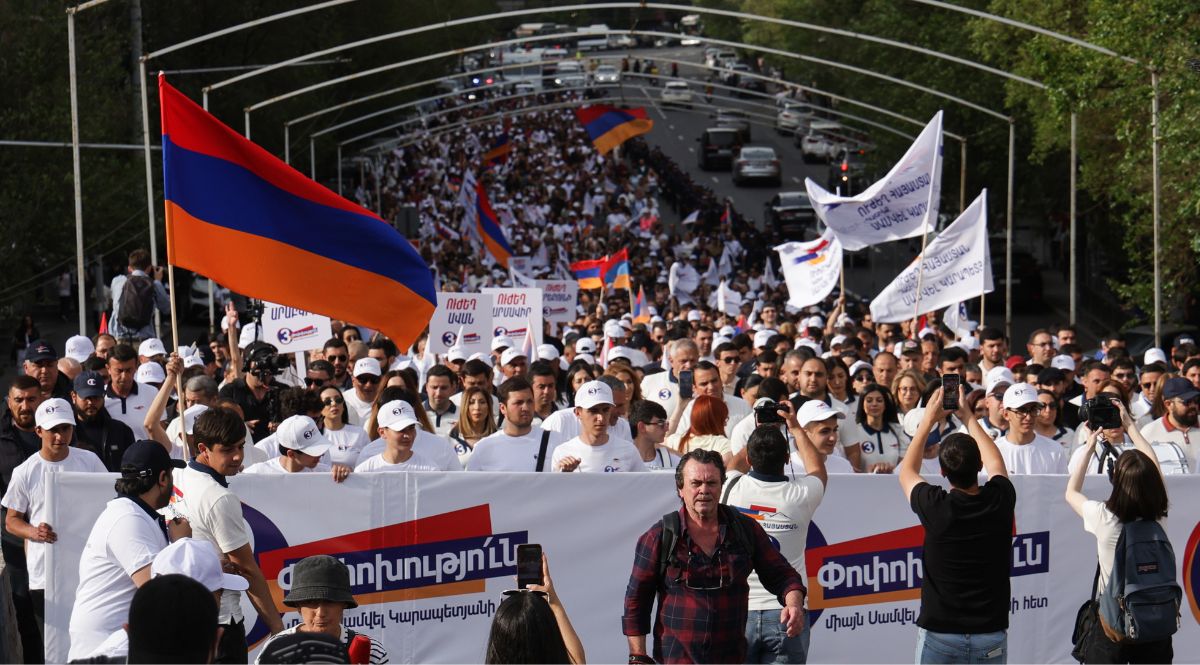
Prime Minister Nikol Pashinyan’s Civil Contract received 49.8% of the vote. This will translate into 64 out of 105 seats and secure the party an independent majority in parliament. However, it fell short of the required 70 seats for a constitutional majority, which had been the ruling party’s explicitly stated goal during the election campaign. Second place went to Strong Armenia, the party of the Armenian-Russian oligarch Samvel Karapetyan, which received 23.2% of the vote. This party, making its debut in parliament, will have 29 MPs. Third place went to the Armenia Alliance bloc led by former Prime Minister and President of Armenia, Robert Kocharyan, with 9.9% of the vote and 12 seats. Just below the 4% electoral threshold was the Prosperous Armenia bloc led by Armenian oligarch Gagik Tsarukyan, which secured 3.9% of the vote. Turnout stood at almost 59%, nearly 10% higher than in the 2021 elections, reflecting the mobilisation of the electorate due to strong political polarisation.
What was the reason for Civil Contract’s victory?
The successes of Pashinyan’s government led to Civil Contract’s victory, including his initiation of a peace process with Azerbaijan and normalising relations with Turkey. Most Armenians, weary of the Karabakh conflict, appreciated the Prime Minister’s peace efforts and the announcement of the opening of borders with neighbours, the unblocking of transport corridors and the commencement of trade in the region. Pashinyan has also brought about a rapprochement with the US and the EU whilst maintaining cordial relations with Russia, which a significant portion of the electorate viewed as strengthening Armenia’s international standing and security. On domestic issues, in recent years, the Prime Minister has succeeded in curbing corruption, raising public sector wages and pensions, implementing a number of infrastructure projects (road construction and modernisation) and maintaining high economic growth, which has translated into an improvement in people’s lives. Civil Contract’s victory was also aided by the use of “administrative resources” (including forcing public sector employees to attend the ruling party’s rallies or exerting more or less direct pressure on them to vote for it), as well as Samvel Karapetyan’s lack of charisma.
What will Armenia’s policy towards the EU, the US and Russia look like?
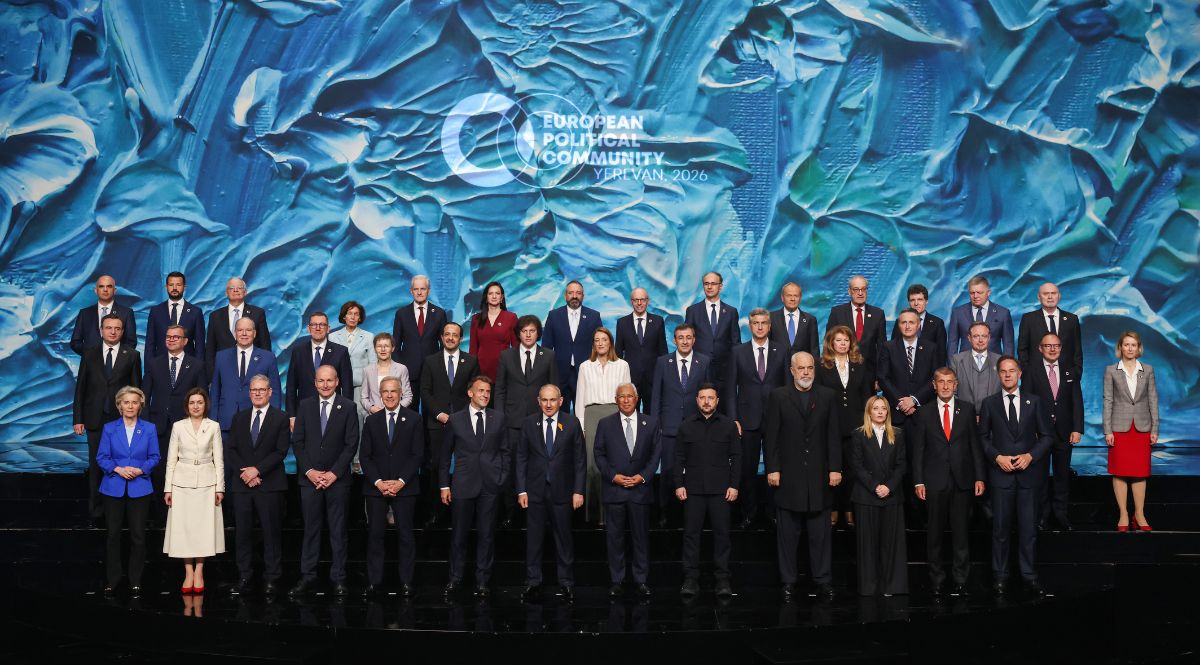
A multi-vector foreign policy is to be expected. The Armenian government will deepen European integration (the next stage being the introduction of visa-free travel) whilst retaining Armenia’s position within the Eurasian Economic Union. Furthermore, it will strengthen its strategic partnership with the US, which, amongst other things, will see the involvement of American companies in the construction of the so-called Trump Route, cooperation in the energy sector and in the extraction of rare earth metals. Pashinyan will seek to maintain cordial relations with Russia, whilst continuing the pro-Western shift, which may prove a considerable challenge given the Russian authorities’ undisguised hostility towards the Armenian government. Russia is likely to impose further economic embargoes or threaten to invade Armenia. Pashinyan will seek to retain the Russian military base in Armenia, while not participating in meetings and military exercises, effectively suspending the country’s membership of the Collective Security Treaty Organisation.
What are the prospects for concluding the peace process with Azerbaijan and normalising relations with Turkey?
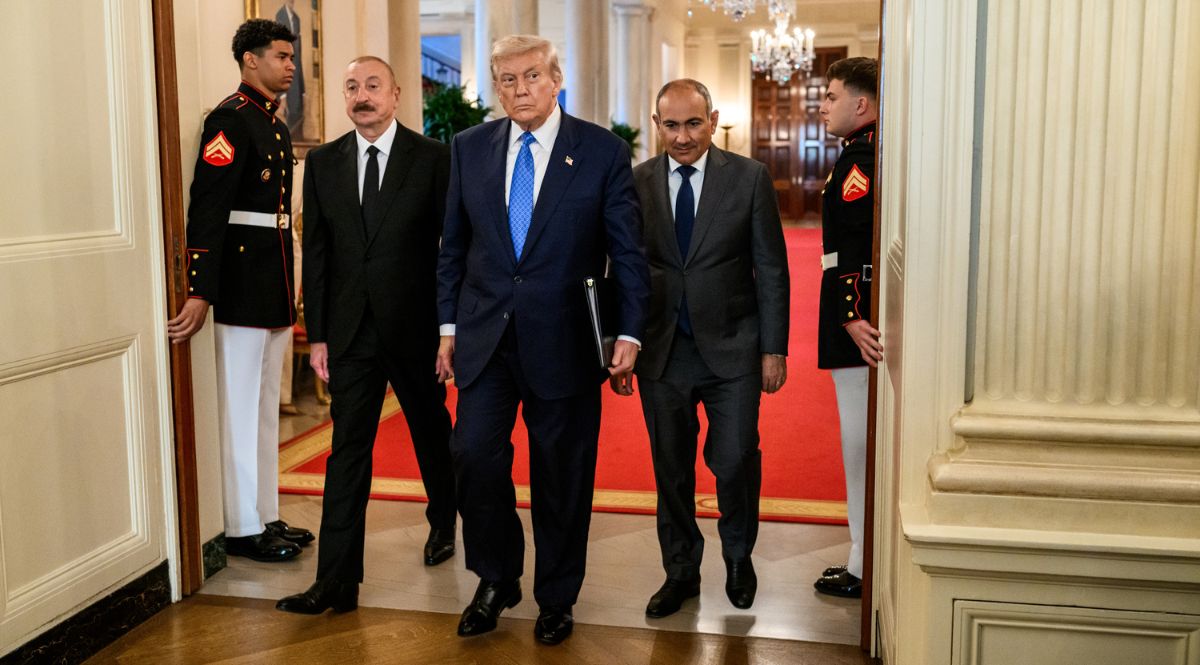
The failure to secure a constitutional majority by Pashinyan’s party could have a negative impact on the finalisation of the peace process with Azerbaijan and the normalisation of relations with Turkey. The ruling party will be unable to amend the constitution and subsequently hold a referendum on the matter, as demanded by Azerbaijan. The country’s president, Ilham Aliyev, maintains that the preamble to the Armenian constitution contains territorial claims against Azerbaijan. A possible way to overcome this problem would be for Azerbaijan to drop its demand for a constitutional amendment (under pressure from the US) in order to secure the signing of a peace treaty. Pashinyan himself will urge Aliyev towards this solution, attempting to demonstrate the benefits for Azerbaijan of concluding the peace process—among them the reopening of transport routes and increased trade. Azerbaijan will also be encouraged towards this scenario by its ally, Turkey, which is keen to open the border with Armenia and trade with it. If this fails, Pashinyan will maintain the current narrative of peace without formalisation, but via the Trump Route will be partially able to lift Armenia out of its long-standing regional blockade.
What policy should the EU pursue towards Armenia?
The EU should continue its policy of supporting Armenia’s pro-Western shift, as well as strengthening its resilience and institutions and fostering the development of democracy. This should be achieved, among other things, by continuing the visa liberalisation process (Armenia hopes to be granted visa-free travel within the next two years), supporting reforms designed to bring Armenia closer to European standards over the long term, providing ad hoc financial assistance in the face of Russian economic pressure (long-term grants aimed at improving the phytosanitary standards of Armenian food products and gradually redirecting exports from the Russian to the European market) and the development of an EU mission designed to help Armenia combat disinformation and build resilience (due to become fully operational in July this year). However, the EU’s engagement and support should be conditional on Prime Minister Pashinyan upholding democratic standards of governance, respecting the rights of the opposition, strengthening human rights and the independence of the judiciary, and continuing the fight against corruption.