Pre-election rivalry in Armenia: The trajectory and key themes of the campaign
The parliamentary elections in Armenia, scheduled for 7 June, will determine whether the country maintains its current foreign policy course. Victory for Prime Minister Nikol Pashinyan’s Civil Contract party would ensure the continuation of the rapprochement with the West, while further reducing its dependence on Russia, and advancing the peace process with Azerbaijan—all beneficial from the EU’s perspective. Although polls predict the party’s victory, the scale of its majority and the resilience of the Armenian electoral system to external interference remain open questions.
 Alexander Patrin / Zuma Press / Forum
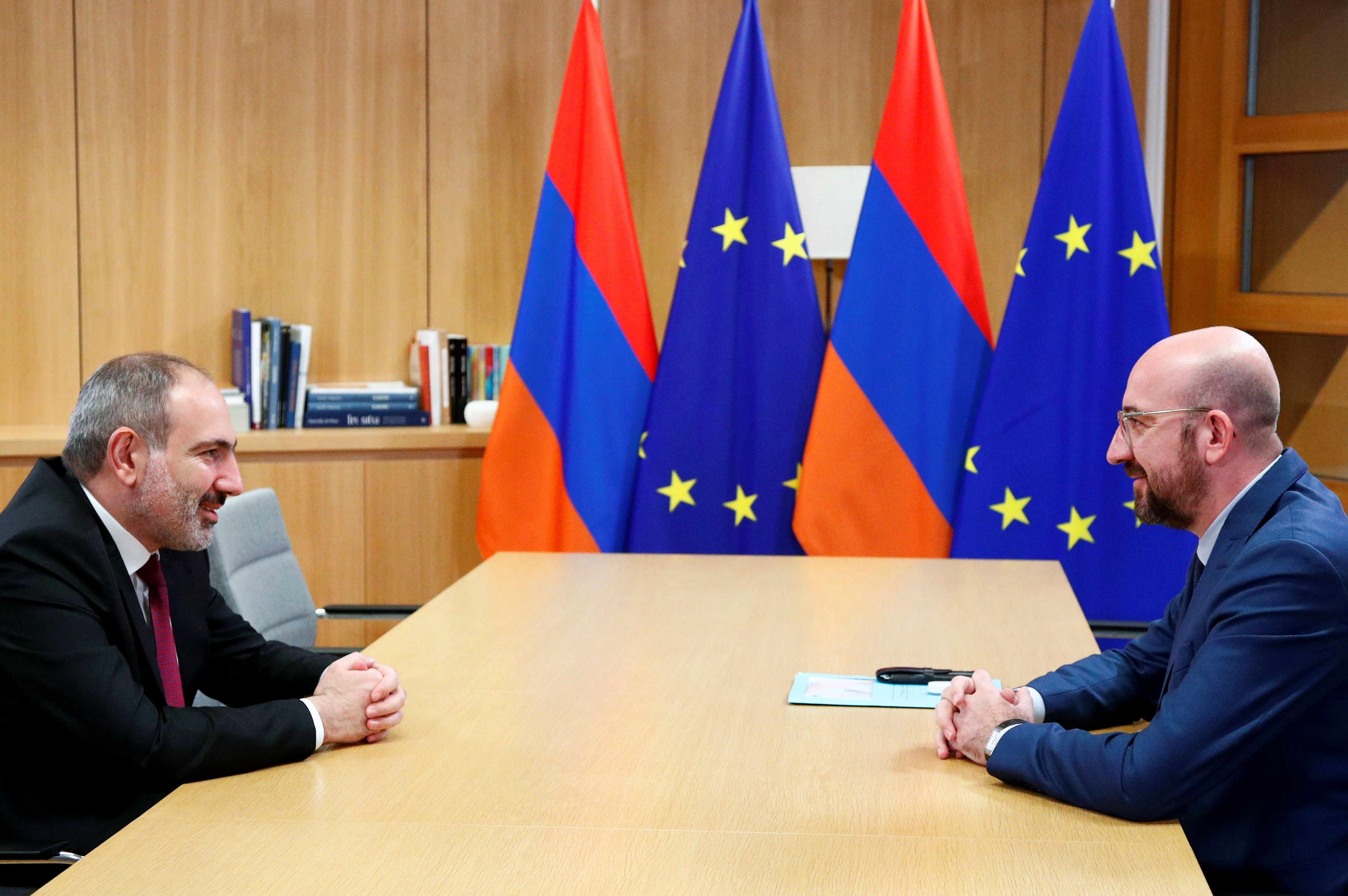
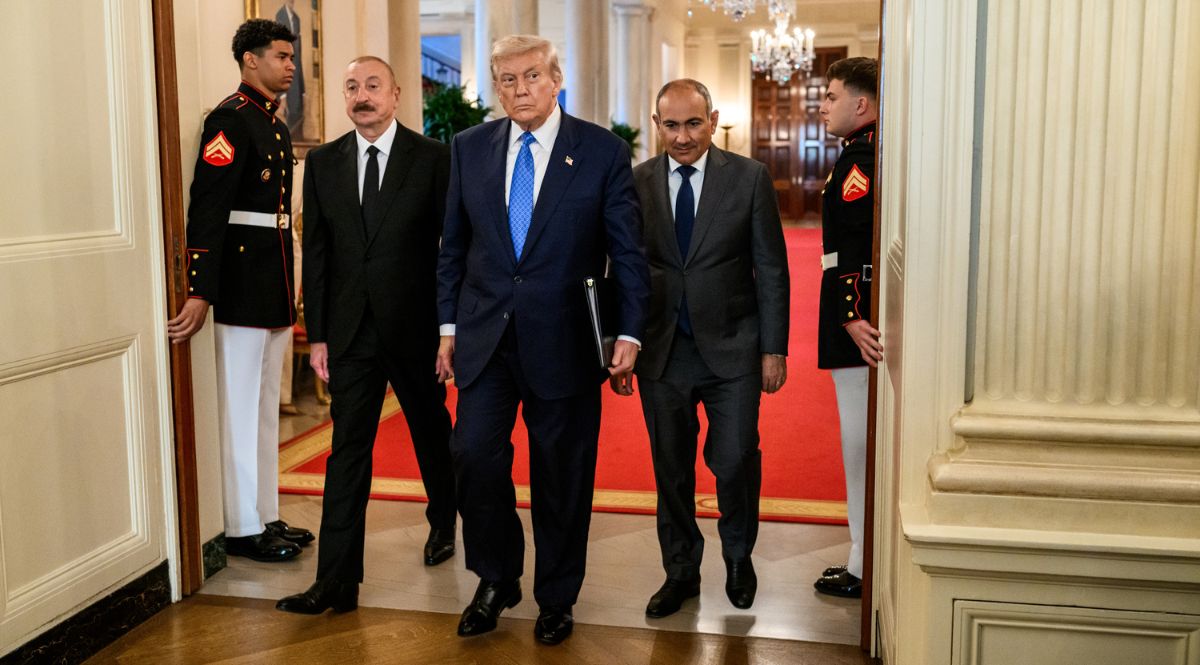
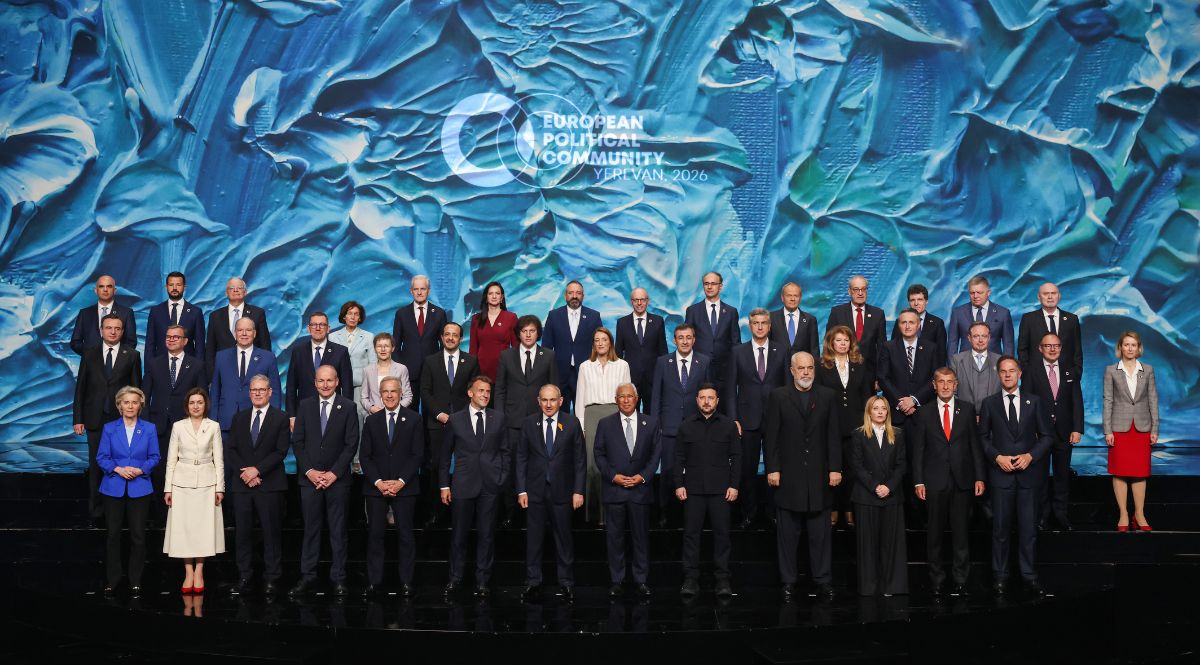
The elections will serve as a de facto referendum on support for Pashinyan, who has been in power since 2018. The campaign’s main theme is the country’s foreign policy (see Table 2 below), with the direction of Armenia’s development at stake. In recent years, the Prime Minister has sought to reduce political, economic and security dependence on Russia, whilst attempting to maintain proper relations with it, and strengthening cooperation with Western countries and organisations, including the US and EU. He has also attempted to make peace with Azerbaijan and normalise relations with Türkiye, for which he has been criticised by the main opposition forces, who remain focused on strengthening ties with Russia.
Electoral System
The Armenian parliament comprises at least 101 members, elected through a proportional representation system, with thresholds of 4% for single parties, 8% for coalitions of 2–3, and 10% for coalitions of 4 or more parties. The number of MPs in the next term depends thus on the election result (currently 107, though in the previous term there were 132). If no party (bloc) secures a majority or forms a coalition within 6 days of the official results being announced, a second round is held between the two parties with the highest results (they may form coalitions with participants from the first round). Any additional seats are awarded to the election winners based on a stable majority – if, in the distribution of votes, a party obtains more than 50% plus one seat but less than 52%, it receives additional seats to achieve such a majority. Supplementary seats may also be allocated to the opposition so that it holds one-third of the seats in parliament if a single party secures a two-thirds majority in the election.
With very limited exceptions (diplomats and soldiers stationed outside Armenia), Armenians are only able to vote within the country. This benefits the ruling party, as the majority of the diaspora opposes Pashinyan’s policies. Though the restriction on voting abroad was enacted by his predecessors, the ruling camp has justified retaining the rule, citing potential technical problems and the threat of cyberattacks. Furthermore, the authorities introduced restrictions on election observation, with the declared purpose of limiting external interference in the elections. The Central Election Commission may refuse or revoke the accreditation of any organisation deemed not to be politically neutral, although this carries the risk of selectively blocking observers. Funding election monitoring organisations from party or bloc funds is prohibited, whilst campaign contributions from non-Armenian citizens are banned—effectively excluding most of the diaspora. Furthermore, parties may no longer incorporate a leader’s name in their official title, a move aimed at Samvel Karapetian’s Strong Armenia, which intended to use his profile to boost its electoral prospects.
The course of the campaign
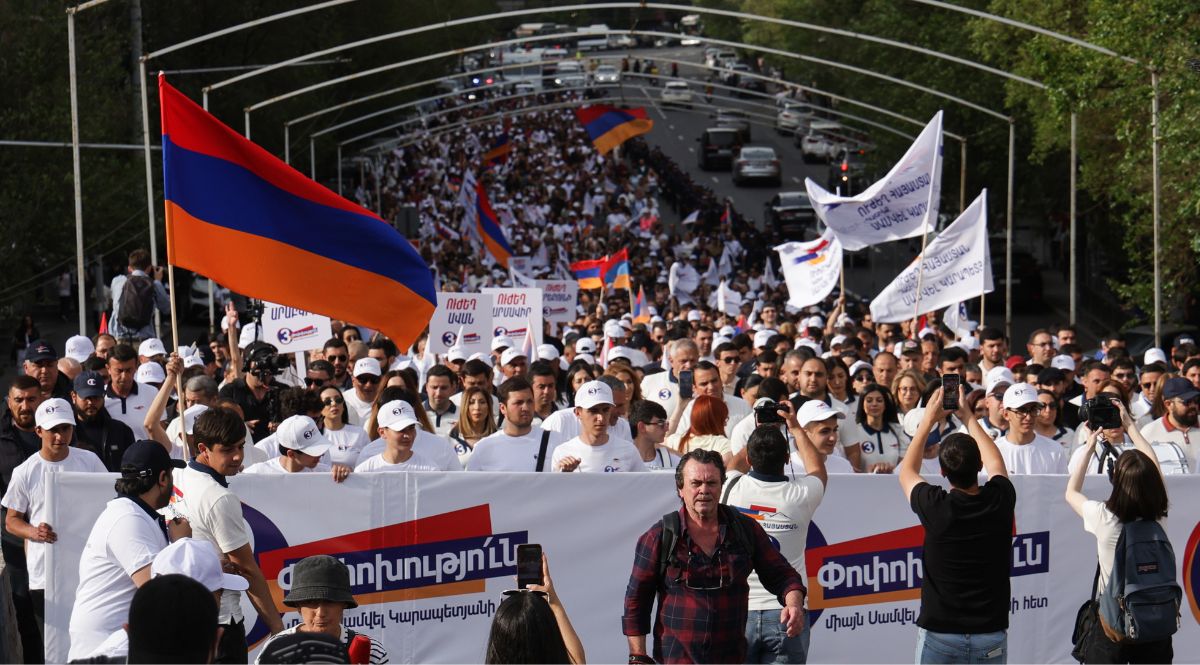
The ruling Civil Contract party leads the polls with 32% support, ahead of the opposition Strong Armenia with 6%, the Armenia Alliance on 3%, and Prosperous Armenia at 1% (see Table 1 below). The electoral race is marked by the strongest political polarisation in years and opposition accusations, at least partly justified, that Pashinyan is using the apparatus of state power for campaign purposes. The use of such tactics—to a greater or lesser extent and by various political camps—is nothing new in Armenia, but it does illustrate that Pashinyan is far from being the democratic ideal imagined by some of his Western partners.
The run-up to the election was marked by the arrest of political opponents, which started in June 2025 when Samvel Karapetyan, leader of Strong Armenia, was arrested on charges of attempting a coup d’état and money laundering (the party is currently led by his nephew, Narek). In recent weeks, there have been further arrests of party members and supporters, including on charges of electoral bribery. The Armenian security services have also accused opposition groups of working to bring members of the Armenian diaspora, including from Georgia and Russia, into the country while encouraging them to vote against the ruling party.
Over the past year, hostilities between the politically active Armenian Apostolic Church (AAC) and the ruling camp have also intensified. Following the loss of Karabakh, AAC hierarchs repeatedly called on the Prime Minister to resign, which the government branded an attempted coup. The dispute escalated in 2024 with the opposition’s nomination of protest leader Archbishop Bagrat Galstanyan as its candidate for prime minister, with the archbishop subsequently arrested in June last year on charges of attempting a coup. In the months that followed, Pashinyan escalated the conflict with AAC leader Karekin II by curtailing the AAC’s privileges while accusing him, among other things, of links to the Russian security services and of having secret children. The dispute has divided the society: Pashinyan’s supporters regard the AAC as being too closely linked to Russia and the pro-Russian opposition, alongside hindering the peace process with Azerbaijan. Opponents frame the authorities’ actions as a direct attack on Armenian identity, which has weakened support for the prime minister.
Pashinyan wishes to present himself as a guarantor of peace and warns that a takeover by the pro-Russian opposition, referred to as the “three-headed war party” (Strong Armenia, Armenia Alliance, and Prosperous Armenia), would drag the country into another conflict with Azerbaijan. In response, Karapetyan accuses the prime minister of planning to bring 300,000 Azerbaijanis to Armenia and, joined by other pro-Russian politicians, has claimed that Pashinyan intends to rig the elections. The prospect of renewed conflict weighs heavily on a public weary of the decades-long conflict over Karabakh. The ruling camp is attempting to win over voters with pension increases, pay rises and bonuses in the public sector, as well as increased financial support for refugees from Karabakh.
An important external disruptive factor for the campaign is Russia’s attempts to influence the election results through disinformation. To this end, Russia is employing the same methods previously used in Georgia and Moldova, utilising fake media outlets from Azerbaijan, China and Türkiye, etc., along with AI, to publish discrediting material on social media targeting Pashinyan, including fabricated corruption allegations, moral “scandals,” and accusations of complete subservience to Azerbaijani and Turkish leaders.
Possible Scenarios and Conclusions
Given that around 40% of voters are undecided or refuse to answer (mainly due to disillusionment with the political class and fears of revealing their preferences), pre-election polls remain unreliable. Mobilisation of discouraged voters could tip the balance in the final results.
The most likely scenario is a victory for Civil Contract, without a constitutional majority. This offers the prospect of maintaining the current foreign policy course, though without the ratification of the peace treaty with Azerbaijan. This would mean continuation of the status quo in relations with Azerbaijan and Türkiye, which has aligned its South Caucasus policy with Azerbaijan, thereby limiting Armenia’s economic development, if only because of the uncertain prospect of opening its borders. Unblocking the peace process requires Armenia to accede to Azerbaijan’s demand to remove territorial claims against its neighbours from its constitution, but this amendment (and the adoption of a new constitution) must be approved in a referendum, which will not be called if Pashinyan’s party fails to secure a constitutional majority. The unlikely scenario in which Civil Contract secures a constitutional majority would be most advantageous from the perspective of the interests of Armenia’s Western partners, as it would support the country’s further distancing from Russia. The lack of competing pro-Western parties with enough genuine public support to challenge Civil Contract creates the risk that any further abuse of power by Civil Contract will be tacitly tolerated by Armenia’s Western partners as the only realistic—albeit not ideal—alternative to pro-Russian forces.
The least likely scenario is Pashinyan being removed from power by a coalition of three pro-Russian parties (Strong Armenia, Armenia Alliance and Prosperous Armenia). This would be a repeat of the scenario from the local elections in Gyumri—Armenia’s second-largest city—where, last year, despite the formal victory of Civil Contract, opposition forces secured a majority in the city council and appointed their own mayor. This is the most dangerous scenario for Armenia’s Western partners, including Poland, as it would result in the loss of their most important current partner in the South Caucasus. This threat is why Russia is doing everything in its power to support pro-Russian Armenian political forces, counting on their victory and, consequently, the safeguarding of its interests in Armenia.
| Pre-election poll results | ||||
|---|---|---|---|---|
| Date of poll / Party (coalition) | February 2026 | April 2026 | Early May 2026 | End of May 2026 |
| Civil Contract | 26.1% | 33.6% | 32.5% | 32% |
| Strong Armenia | 11.9% | 11.4% | 10.1% | 6% |
| Armenia Alliance | 3.4% | 4.2% | 4.4% | 3% |
| Prosperous Armenia | 6% | 3.3% | 3.4% | 1% |
| Republic Party | 2.1% | 2.3% | - | - |
| Wings of Unity | 2.5% | 1.6% | - | 1% |
| Other parties | 6.3% | 4% | 7.1% | 6% |
| Refused to answer | 17.8% | 23.3% | 25.4% | 21% |
| I don’t know | 18.9% | 13.7% | 14.1% | 23% |
| None of the parties | 4.9% | 2.7% | 2.4% | 3% |
| Selected campaign pledges and narratives of parties (coalitions) | ||
|---|---|---|
| Name (leader) | Foreign policy | Domestic policy |
| Civil Contract (Nikol Pashinyan) |
|
|
| Strong Armenia (Samvel and Narek Karapetyan) |
|
|
| Armenia Alliance (Robert Kocharyan) |
|
|
| Prosperous Armenia (Gagik Tsarukyan) |
|
|
| Republic Party (Aram Sargsyan) |
|
|
| Wings of Unity (Arman Tatoyan) |
|
|