New Flags in the Red Sea Region
 Report
Authors

Jędrzej Czerep
Head of Middle East & Africa Programme

Julia Sochacka
Middle East Analyst

Michał Wojnarowicz
Israel and Palestine Analyst
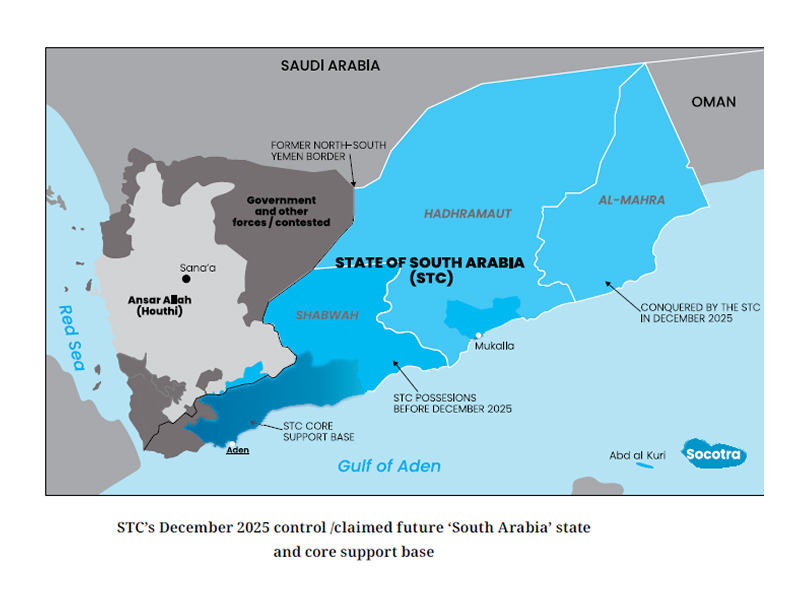
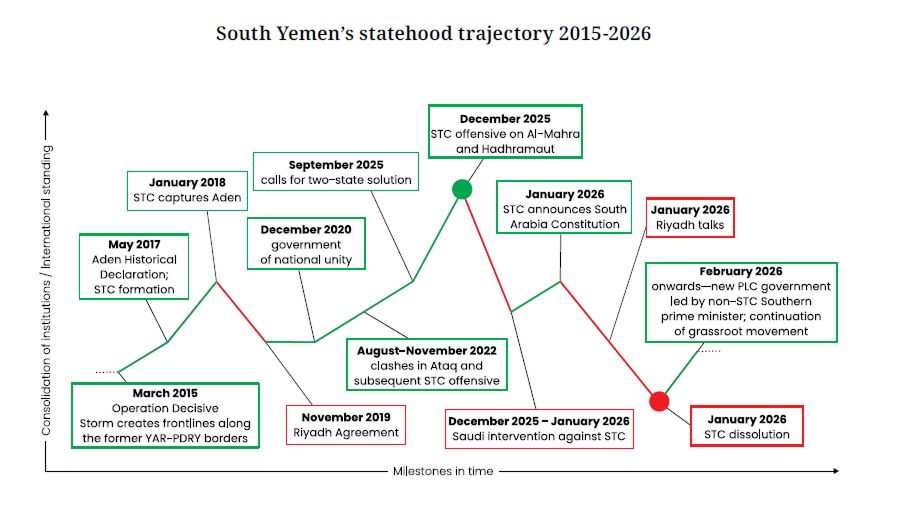
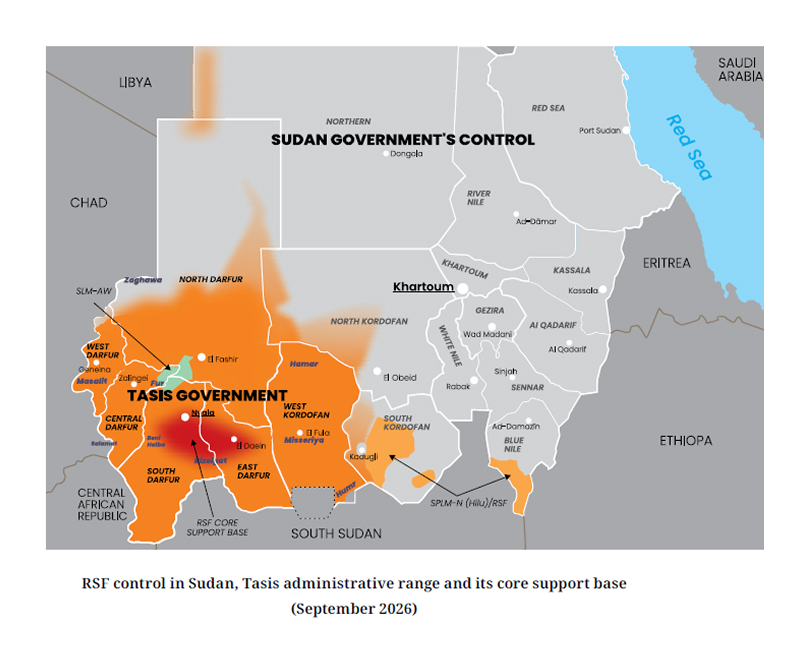
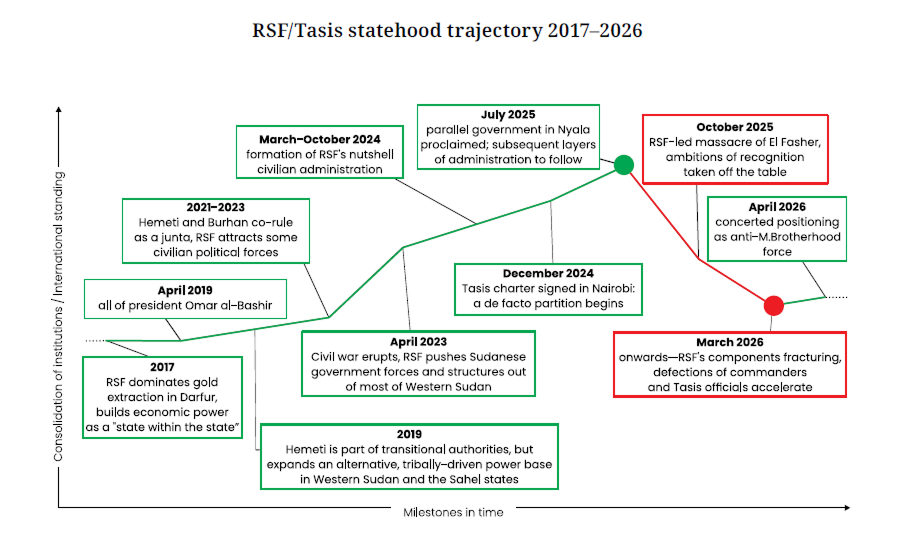
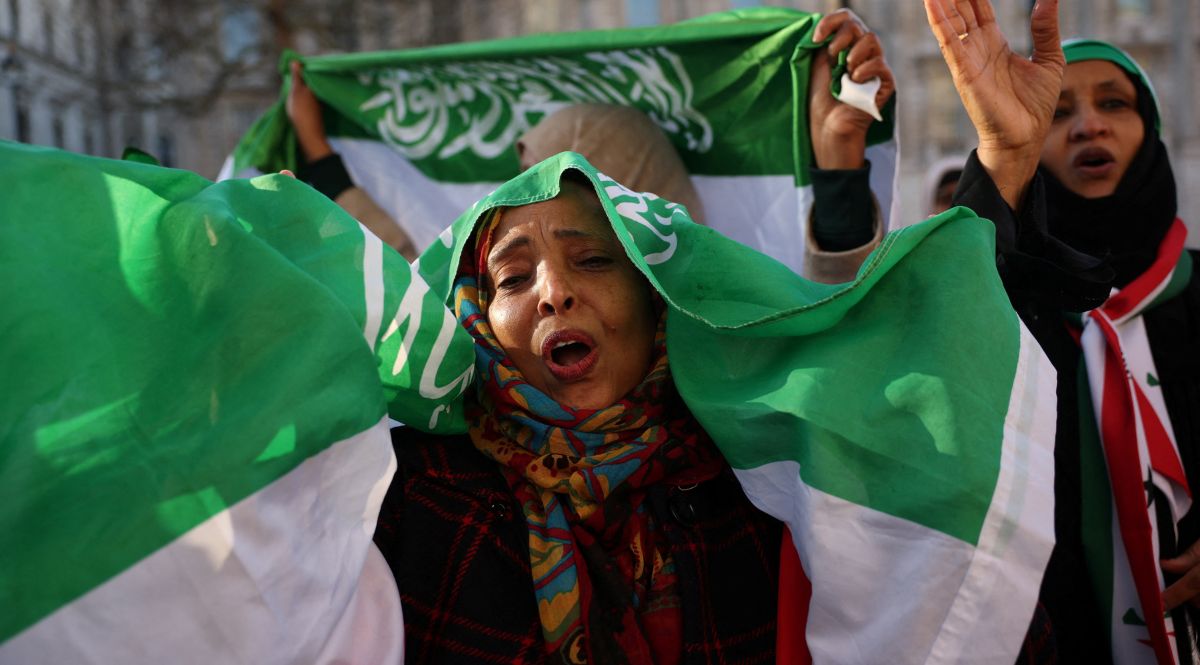
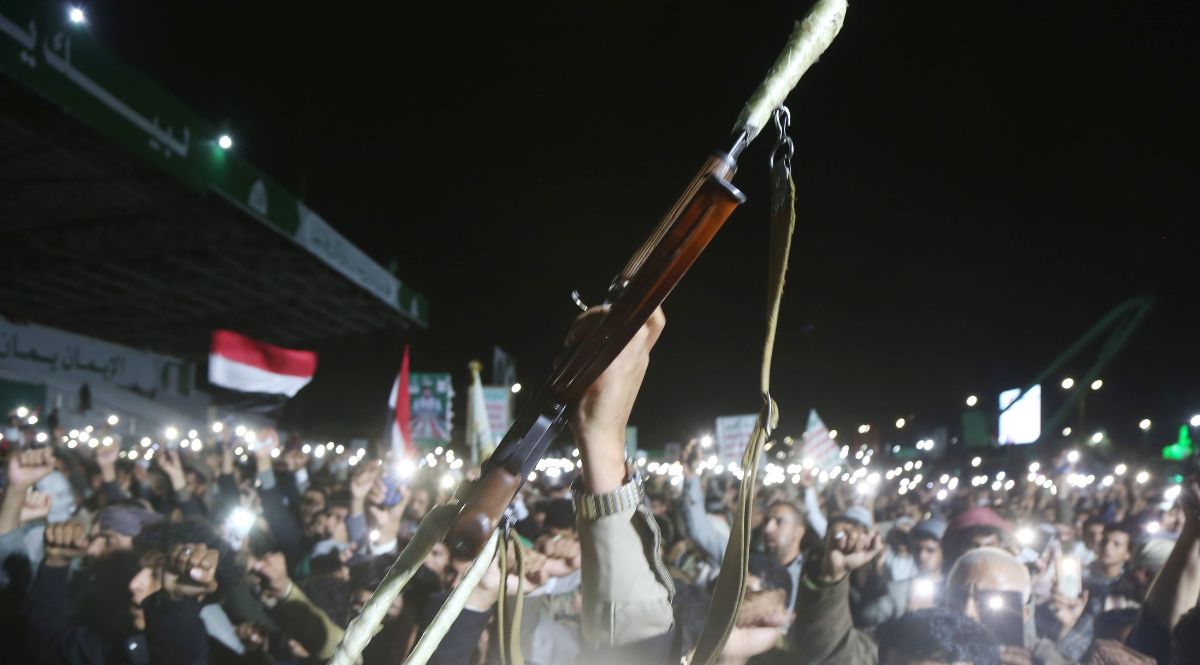
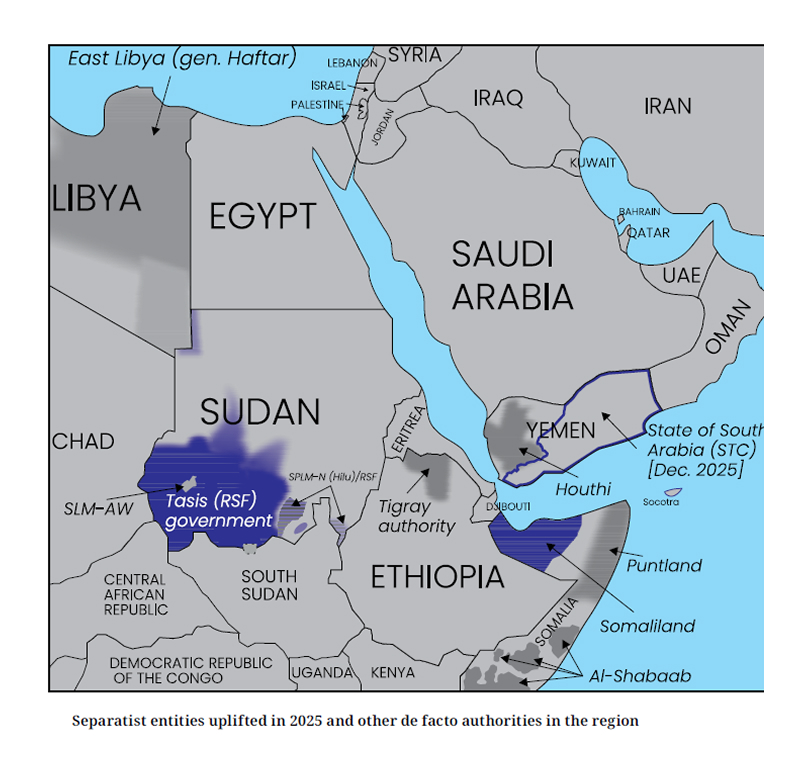 [Separatist entities uplifted in 2025 and other de facto authorities in the region]
Key Takeaways
The separatist projects in the Red Sea region became and will continue to be some of the focal points for the reshaping of the political and security architecture of the broader region.
From mid-2025 to early 2026, major breakaway movements in Somalia, Yemen and Sudan progressed significantly. These advances resulted from both activities of the local parties involved as well as from assistance by major foreign actors, most notably the United Arab Emirates (UAE) and Israel.
Formal or informal uplifting of the statuses of the breakaway quasi-states in the region threatens further erosion of international law in a particularly sensitive area: rejecting unilateral changes of borders. While in the cases of Sudan’s RSF-backed Tasis parallel government, Somaliland, and the Southern Transitional Council in Yemen, the initial push towards their maximalist goals has passed, they—and their backers—will continue to seek conditions for a comeback.
Turbulence caused by those developments continues to affect the region. As a result of the failed secession of South Yemen, the Houthi groups have been able to exploit the security gap to progress with their September 2026 offensive on the Bab al-Mandeb shores, threatening maritime security and global trade. Somalia’s path towards a negotiated settlement with its breakaway regions seems to have closed. The war in Sudan continues to represent one of the world’s largest humanitarian crises and—due to overlapping alliances—is at risk of merging with a looming war in Ethiopia and creating a major regional conflict.
The three analysed separatist cases, while interlinked, exhibit significant differences in terms of historical trajectories, local legitimacy, institution-building, and agendas. Of the three cases, the Sudanese RSF-backed Tasis government’s claim is the weakest, leaving no space for its political future.
While the Saudi-Emirati rivalry, which is often focused on their attitude towards non-state actors and separatist movements, remains overshadowed by other tensions in the region, such as the US-Israeli war against Iran, Houthi escalation, or Israel's wars with its neighbours, it consumes much of their energy and resources. It has the potential to become one of the major elements of the new power play in the region, and it has already contributed to the signing of the Mecca Agreement by Saudi Arabia, Turkey and Pakistan.
The EU should be more active in upholding the territorial integrity of Somalia, Sudan and Yemen, as separatism not only hampers international order and strengthens clientelist networks in the region, but also destabilises and sows seeds of new conflicts in the future. An effective approach would require the EU to show more assertiveness and a stronger political resolve in its relations with the UAE and Israel.
Key Thematic Areas
1. SOMALILAND
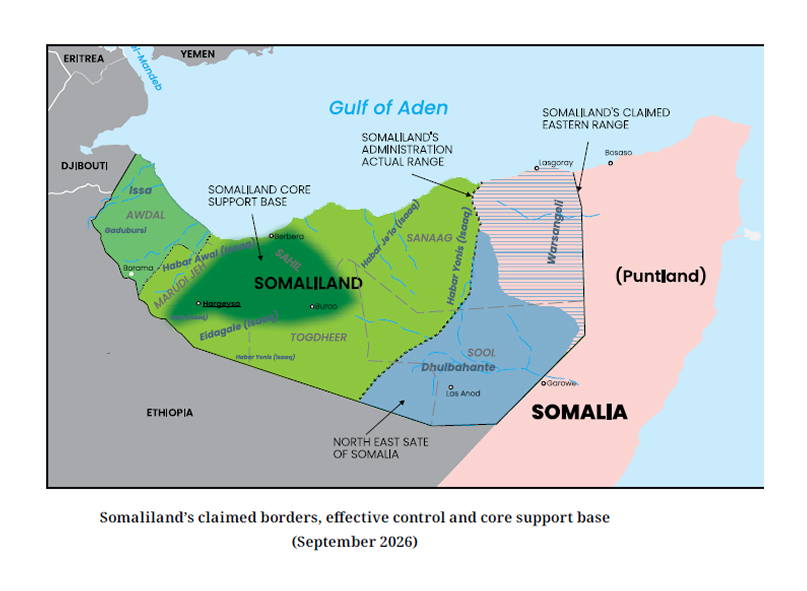
Somaliland’s modern history is that of a de facto state structure which has survived for 35 years as an unrecognised but functioning polity. It is relatively stable, conducting regular elections at the central and local levels since 1997, with power peacefully transferred. However, the success story narrative that Somaliland is known for must be re-examined in light of recent setbacks. Selective development and consolidation of clan-based loyalties that equated the pro-independence current with the interests of the dominating Isaaq clan resulted in a progressive alienation of the minorities on its peripheries. This tension led to an uprising in the city of Las Anod. Somaliland’s institutions have been pushed out of large parts of its claimed territory while the Somali state re-entered it.
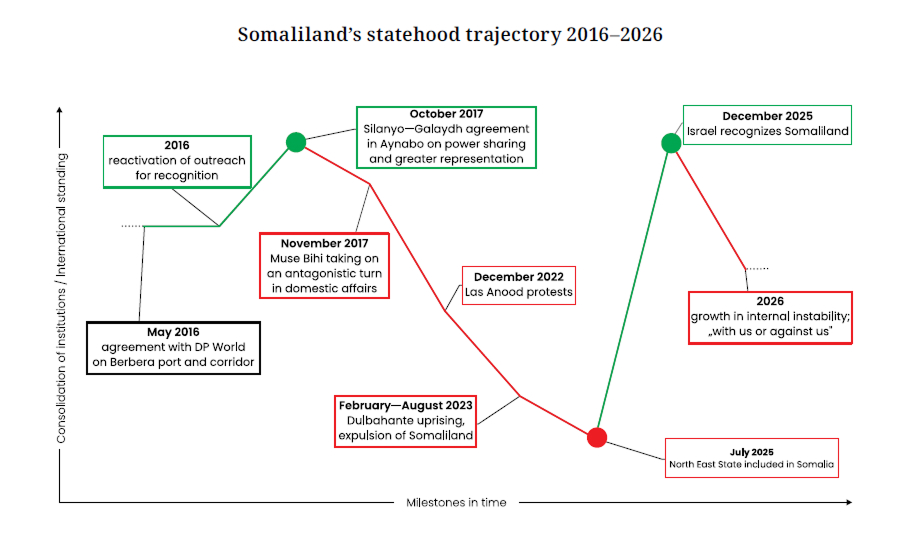
Despite those shortcomings, in December 2025, after a decade of diplomatic engagement and outreach by Hargeisa, Israel—considering the unique advantages such a move offered in the security area—formally recognised Somaliland.