Mass Protests in Iran: Initial Observations
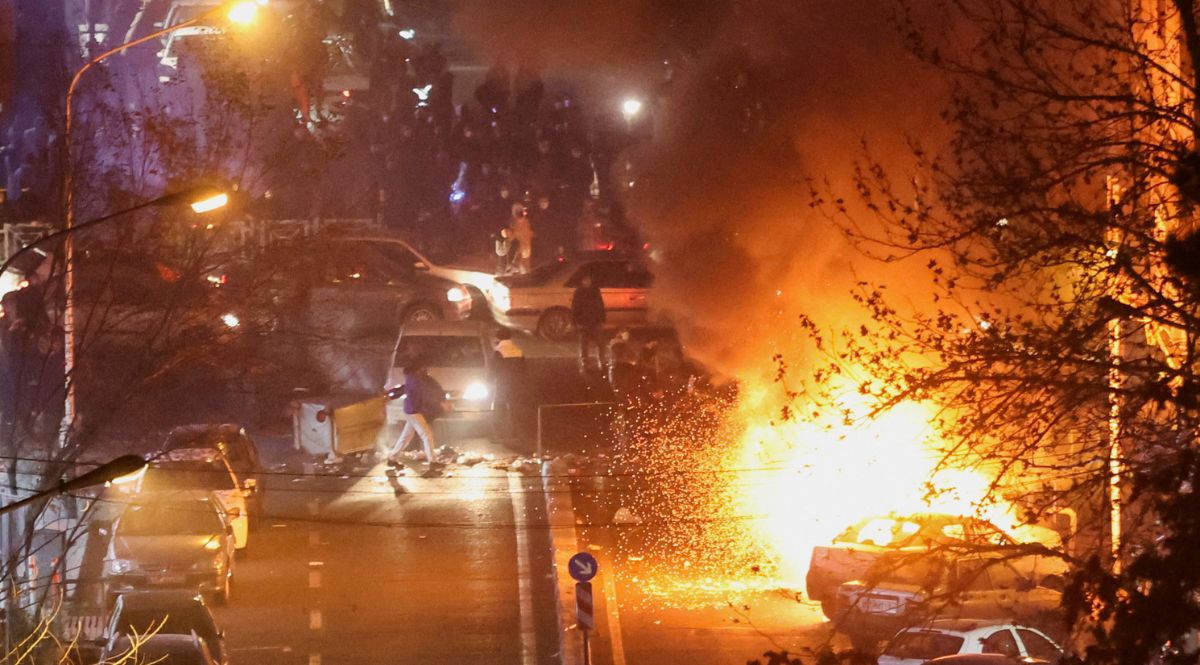
On 28 December 2025, social protests started against the government of Iran, spreading after a week to the majority of areas of the country. The regime is trying to pacify protests and riots and to regain control over the situation with mass violence and arrests. The capability of the regime to pacify and survive protests will be a test of its stability or further destabilisation. The development of the internal situation in Iran may impact the future of its nuclear programme as well as relations with Russia and China, and Israel and the West.
 Stringer / Reuters / Forum
What are the demands and scale of protests in Iran?
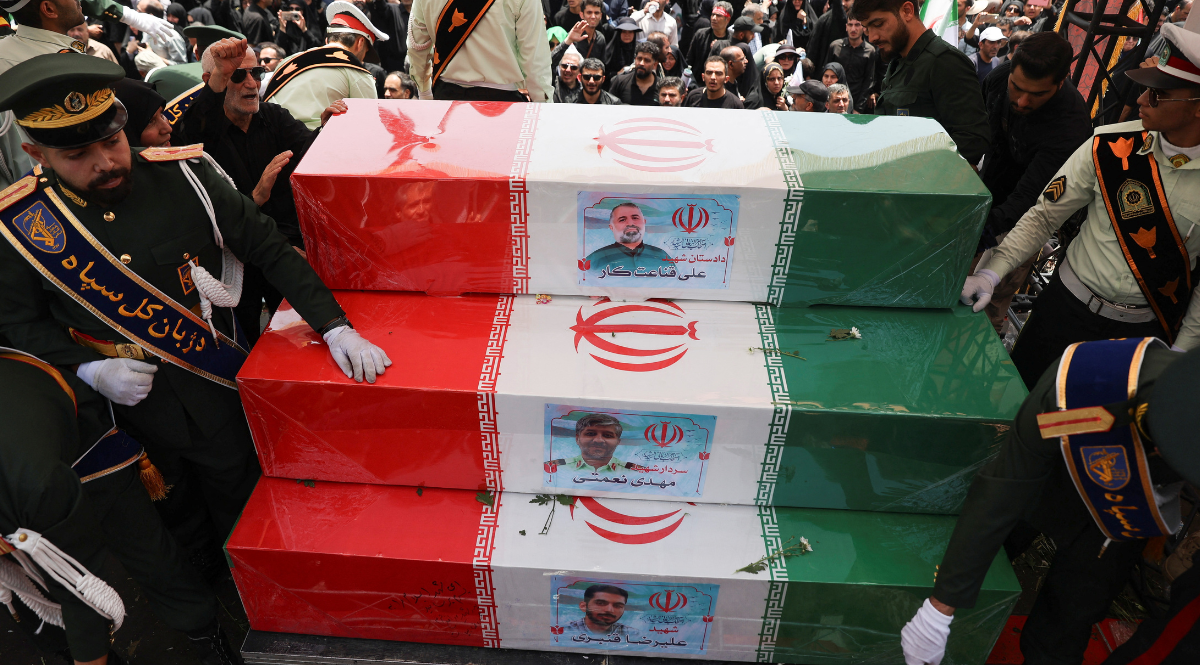
The current protests in Iran started with a strike by merchants at the Grand Bazaar in Tehran. By the end of 2025, negative economic indicators had accumulated in Iran. The collapse of the Rial against the US dollar, hyperinflation reaching 42%, and an annual spike in food prices of 70%. Additional reasons for social frustrations were tied to the reimposition of severe economic US and EU sanctions following advances in Iran’s nuclear programme, as well as the weaknesses of the regime and army exposed during the 12-Day War with Israel. The Iranian protests very quickly took on a political character, with slogans calling for the removal of the Supreme Leader Ali Khamenei, the introduction of political freedoms, and respect for human rights. Similar to the crisis of 2022-2023, demonstrations have engulfed the majority of the 31 provinces in this country of 92 million people. The regime introduced a total internet blackout, which complicates any coordination of protests and quick verification of information coming from Iran. According to governmental estimates, up to 11 January, 36 policemen, Revolutionary Guards and Basij militia members were killed in riots, but these are likely underreported numbers. Up to this date, according to Iran Human Rights, 20 regime officers and 50 civilians were killed during clashes. All the confirmed data seems to be underestimates and does not reflect a rapid increase in reported killed and wounded in recent days.
Is the theocratic government ready for any reforms?
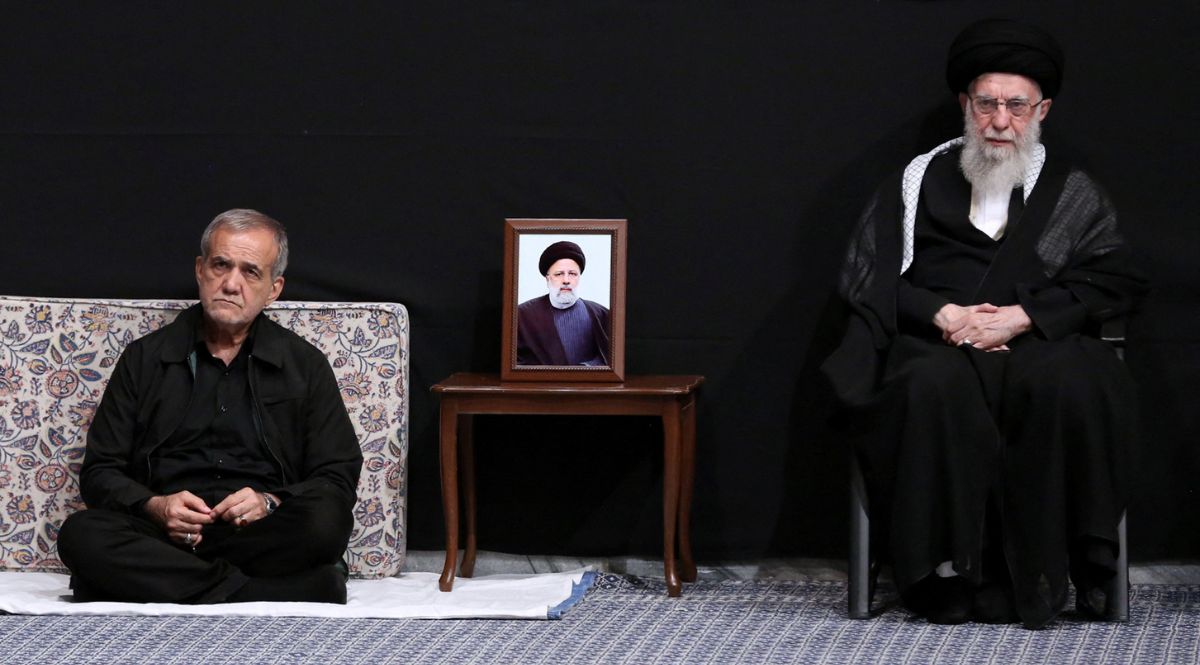
After the first week of protests, public comments were made by Khamenei and the president of Iran, Masoud Pezashkian. While the two politicians suggested the readiness of the regime for some social dialogue and resolving economic hardships, both used traditional rhetoric of accusing protesters of being manipulated by Israel and the US. Declarations by the leaders of parliamentary factions in Majlis were even harder-line, openly threatening protesters. All these comments suggest a lack of the regime’s interest in deeper political, social and economic reforms, which would undermine the pillars of theocracy in Iran. Currently, the most likely scenario is brutal pacification of protesters, to stabilise at least Tehran before the upcoming anniversary of the Islamic Revolution on 11th February, and then announcement of some cosmetic reforms. The regime may still count on the cohesion of the political elite, a large internal security apparatus, support among older generations of Iranians and a lack of centralised leadership and organisation among protesters. At present, there are no visible divisions within the government and clerics of Iran, such as existed during the “Green Revolution” of 2009. Despite the visibility of the Iranian diaspora, it is missing representatives on the ground in Iran. In the West, the most active groups are monarchists (supporting Reza Pahlavi, son of the last shah) and members of the radical People's Mojahedin (MEK/MKO). Barriers limiting the influence of these groups in Iran could weaken in the event of desertions from the Iranian Army, strong support from the US or the death of Khamenei (now 86 years old).
What is the future of Iran’s nuclear capabilities?
Despite concerns from some media and experts, it is unlikely that the Iranian security forces will lose control over the nuclear infrastructure and stockpiles of highly-enriched uranium. Following the 12-Day War, the Iranian regime expressed interest in renewed nuclear negotiations with the US. Since July 2025, uranium stocks in the damaged nuclear facilities of Fordow, Isfahan and Natanz likely remain in place and intact. So far, protesters have not shown the motivation, strength or means to seize them. The risk of transfer of fissile materials from the Iranian regime to other parties could arise if the regime collapses or a prolonged civil war starts. Taking into account the history of Iran’s nuclear programme, it is quite likely that even a new, secular and democratic regime would maintain its nuclear capabilities as a security guarantee at the regional and international stage. And if Iran moves towards civil war, fears regarding the use of its chemical weapons arsenal may prove more well-founded.
What is the regional context and chances of military intervention by Israel or the US?
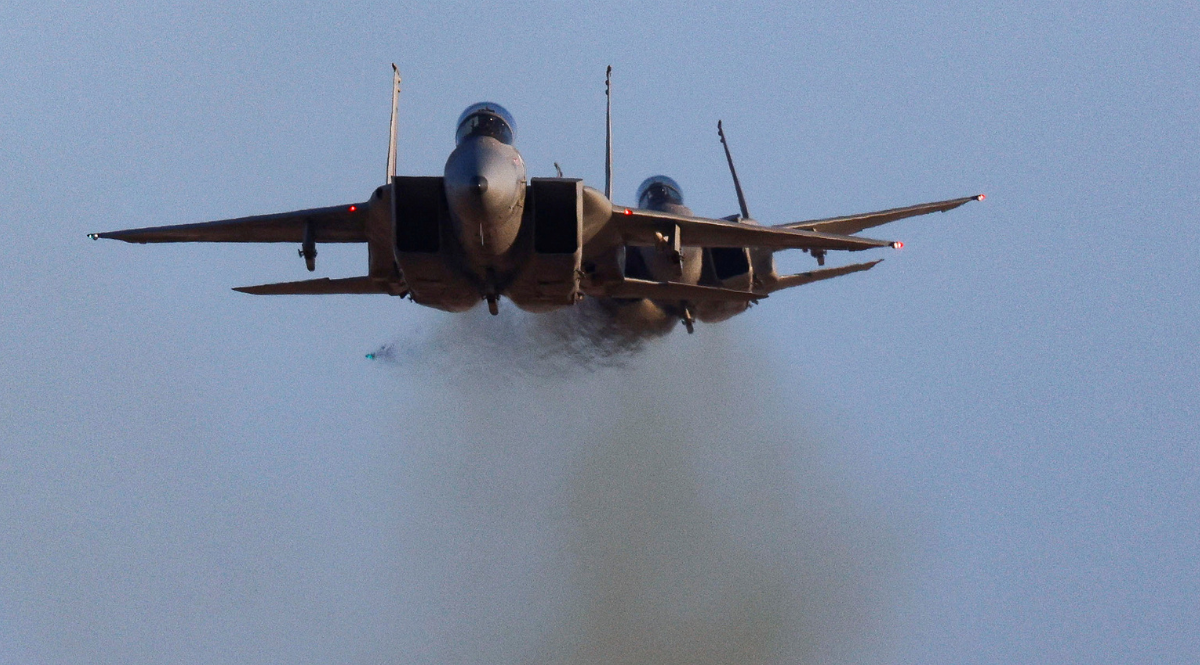
Depending on developments within Iran and the strategic calculus of the US and Israel, various military scenarios are possible. During the 12-Day War, Israel allegedly planned the assassination of Khamenei but halted it due to US opposition. In recent months, Israel's concerns with Iran have mainly been related to the rapid rebuilding of its ballistic missile arsenal, and that might be an issue raised in the ongoing bilateral consultations with the US. Preventive Israeli strikes on missile factories and bases are possible, as well as more active Israeli support for Pahlavi and MEK, to further destabilise the hostile regime in Tehran. Israel might also be tempted to use the current situation to justify further air strikes against Lebanese Hezbollah and Yemeni Houthis. Less clear are the calculations behind the recent threats to the regime issued by the US president, which, after the spectacular arrest of Nicolas Maduro, might be more eager to support regime change in Tehran. At the moment, the most likely US options seem to be intensified economic pressure, cyber-attacks on governmental infrastructure and limited strikes on selected headquarters or units of Revolutionary Guards and Basij. However, such an approach by the US is not without risk of escalation and could trigger retaliation against American forces in the Persian Gulf. These options would also require reinforcement with additional forces and resources. At the same time, diplomatic and material support for the regime and for the security forces of Iran should be expected from its closest foreign partners – Russia and China. Any substantial military support by both countries to Iran is unlikely, even if the situation escalates to open conflict with the US. Regardless of the internal and regional scenarios, there is also an urgent need for the united support of all EU governments in defence of the protesting Iranians.


(1).jpg)
.png)