
Greece Holds Early Parliamentary Elections Again
On 25 June, early parliamentary elections were held for a second time in Greece this year. They were won by the centre-right and pro-European New Democracy party of Kyriakos Mitsotakis, prime minister from July 2019 to May 2023. Unlike the previous election on 21 May, the result of the latest vote enabled him to form a one-party cabinet, which was sworn in on 27 June. The next New Democracy government will probably bring in further reforms to foster the economy. They will also mean maintaining Greece's existing foreign and defence policy.
.jpg) LOUIZA VRADI / Reuters / Forum
LOUIZA VRADI / Reuters / Forum
Why was there another early election?
President Ekaterini Sakielaropulu dissolved parliament on 25 May and called new elections. That was wanted by Mitsotakis because they were to be held under a new law adopted in 2020 that introduced into the directly proportional system a bonus of 20-50 additional seats for parties that cross the 25% threshold—currently no party except New Democracy has a chance to do so. In the Greek political tradition, coalitions are rare, so, although this faction lacked only five MPs to form a majority after the May elections, Mitsotakis refused to form a government. Also, had the leaders of the second-largest populist and anti-globalist Coalition of the Radical Left-Progressive Alliance (SYRIZA) and the third pro-European and centre-left Panhellenic Socialist Movement-Movement for Change (PASOK-KINAL), to whom in turn, in accordance with the constitution, the president offered the prime minister's portfolio.
How will the Greek parliament change in the new term?
The new law has changed the balance of power in the 300-seat parliament, which will include eight parties. New Democracy, although it again won 41% of the vote, received as many as 158 seats, 12 more than in May. SYRIZA remained the main opposition with 48 seats, 23 fewer, although it won 18% of the vote, 2 percentage points (p.p.) less. PASOK-KINAL received 32 seats, 9 fewer, although it won 11.8% of the vote, 0.4 p.p. more. Similarly, the Marxist-inspired Communist Party of Greece collected 20 MPs, 6 fewer, although it won 7.7% of the vote, 0.5 p.p. more. The Spartans, a new party linked to the outlawed fascist Golden Dawn, won 4.6% of the vote and 12 seats. Another extreme nationalist, anti-European and pro-Russian party, Greek Solution, although it had 4.4% support, won 12 seats, 4 fewer. Although the anti-migrant and Orthodox-conservative Democratic Patriotic Movement-Niki narrowly did not cross the 3% electoral threshold in May, this time they entered parliament with 3.7% of the vote and 10 seats, while the anti-European and progressivist Course of Freedom won 3.2% of the vote and 8 seats.
What will be the domestic policy priorities of the new Mitsotakis government?
Mitsotakis announced further economic reforms. These are intended to regain Greece’s investment grade in credit ratings, lost during the 2009 debt crisis. His previous cabinet had significant macroeconomic success, for example in 2022 GDP grew by 5.9%. The challenge for the new government will be to translate these into improvements in the perceived situation of the population, because although unemployment, for example, fell below 11% in 2023, GDP by purchasing power parity only exceeded its pre-crisis amount in 2021. Mitsotakis also calls for a further tightening of policies towards migrants to discourage them from applying for refugee status in Greece. In his previous term, he tolerated the pushing of migrant boats out of Greek territorial waters and ordered the return of asylum seekers, including integrated and working migrants, to refugee centres until the end of the processing of their applications.
What will be the foreign and defence policy of the new government?
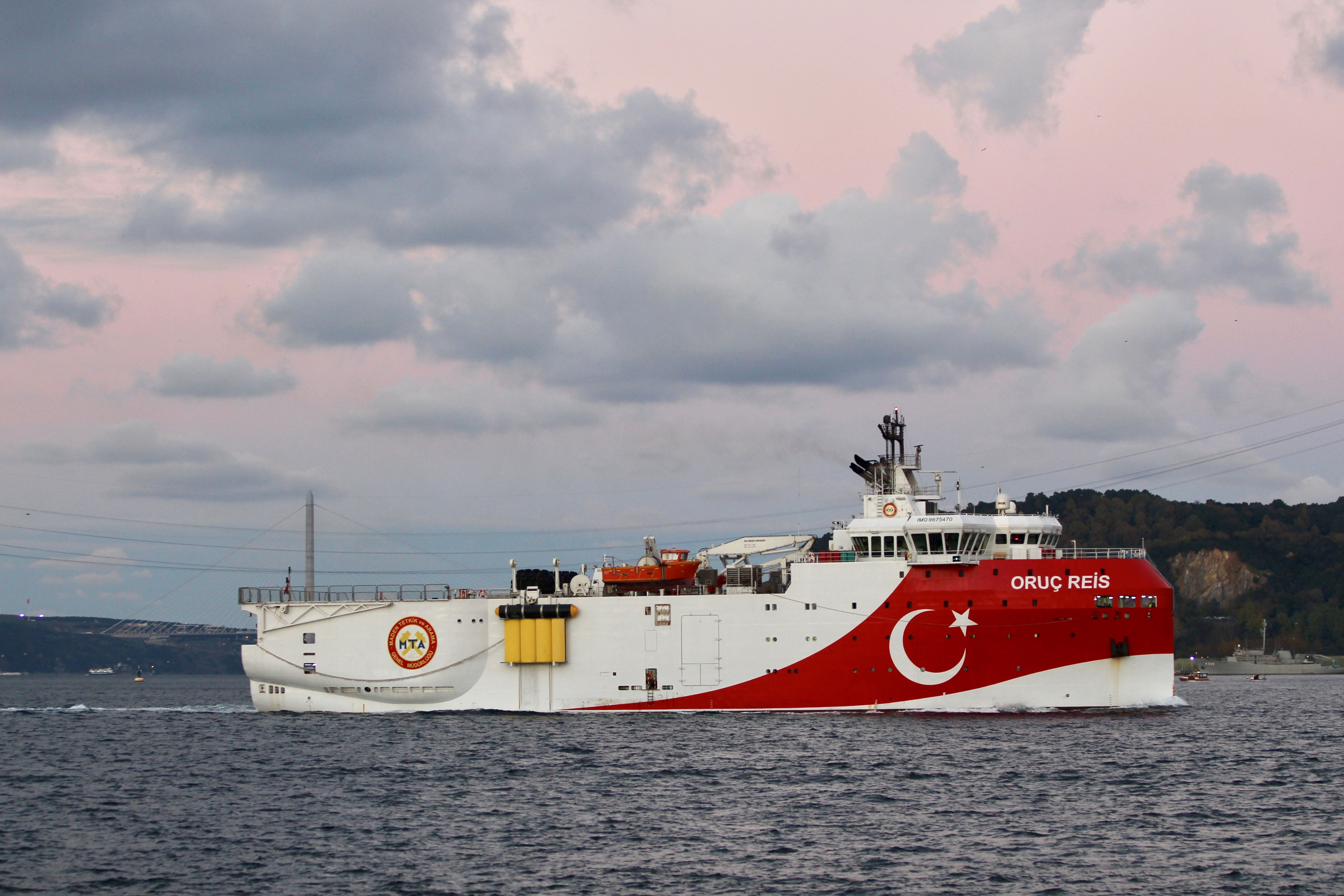
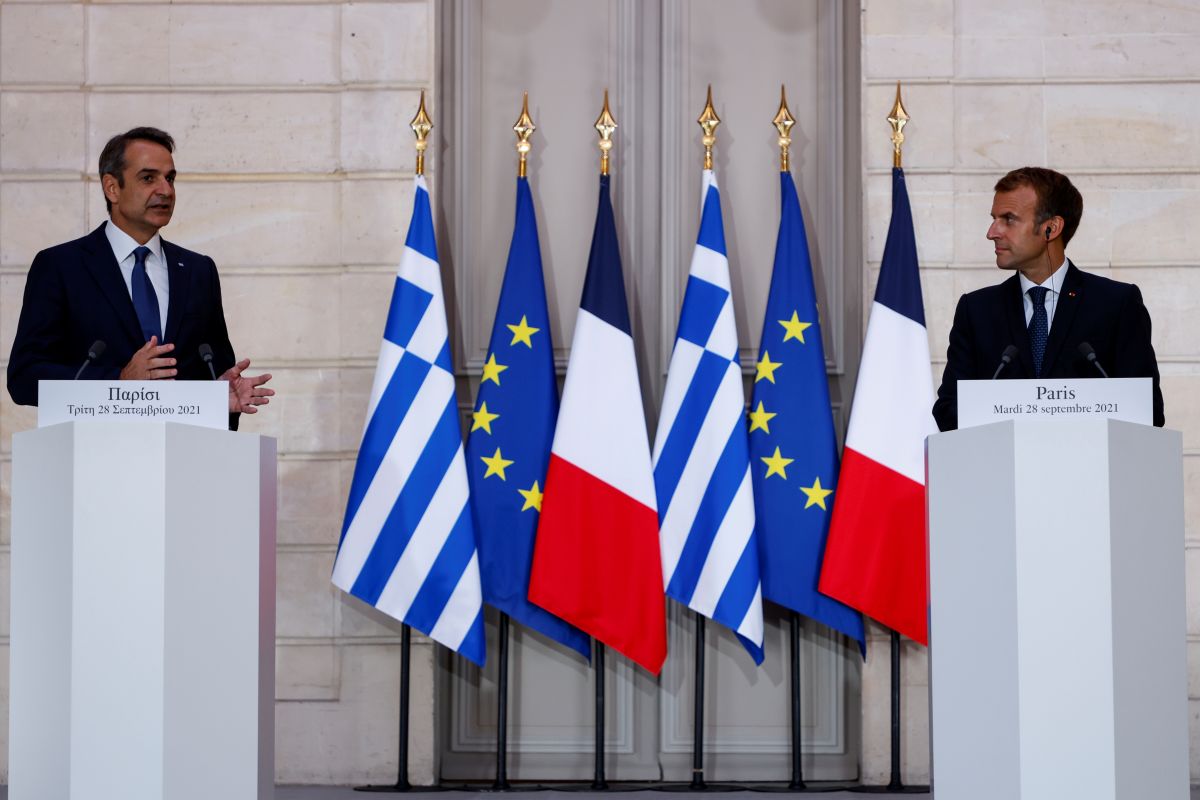
The next Mitsotakis government will continue to secure Greece against Turkey’s revisionism as a priority. To not retreat from a confrontation with it over Aegean islands and the Mediterranean shelf, Greece will maintain its investment in the armed forces—in 2022 it spent $8 billion, or 3.54% of GDP (the highest in NATO). It will support the Greek-populated Republic of Cyprus and further develop the alliance with the U.S. and France, Turkey’s rival. Within the EU, Greece will seek harmonisation with European institutions and the major Member States, counting on their support in restoring investment credibility. However, Greece will push for greater solidarity among its partners on the issue of migrants reaching its territory. The continued rule of New Democracy will favour Poland’s goal of the economic and political stabilisation of NATO's Southeastern Flank. Mitsotakis will probably continue to support Ukraine with military supplies, although he will avoid the publicity of it in the face of pro-Russian sentiment among part of the population. Greece’s opposition to the 11th package of EU sanctions on Russia in May 2023 was opportunistic. Indeed, its aim was not to support the aggressor but to obtain exemptions for Greek companies while negotiating the withdrawal of Hungary’s original veto.


.jpg)