A turning point without stability-Luca Niculescu's government in Romania
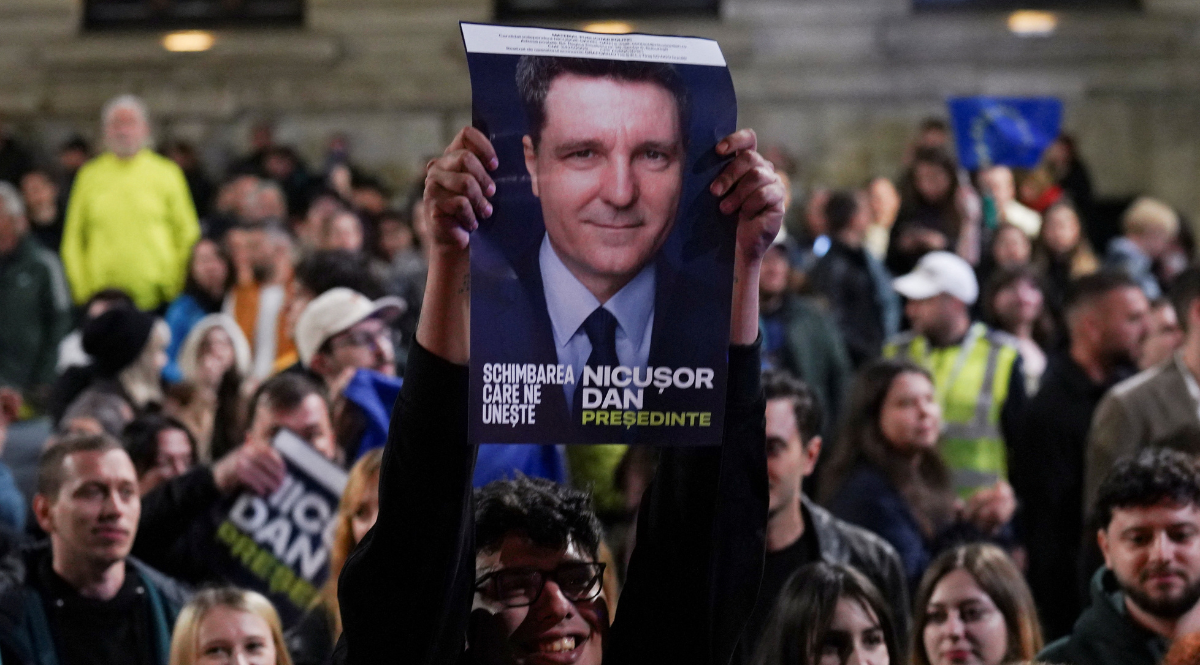
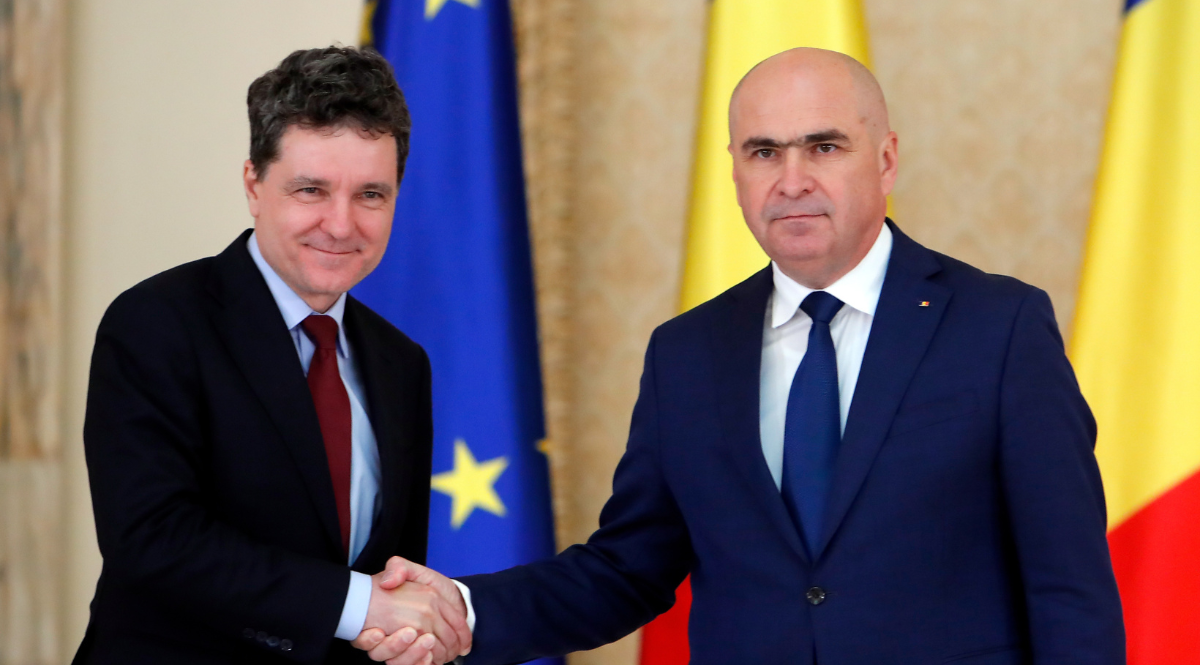
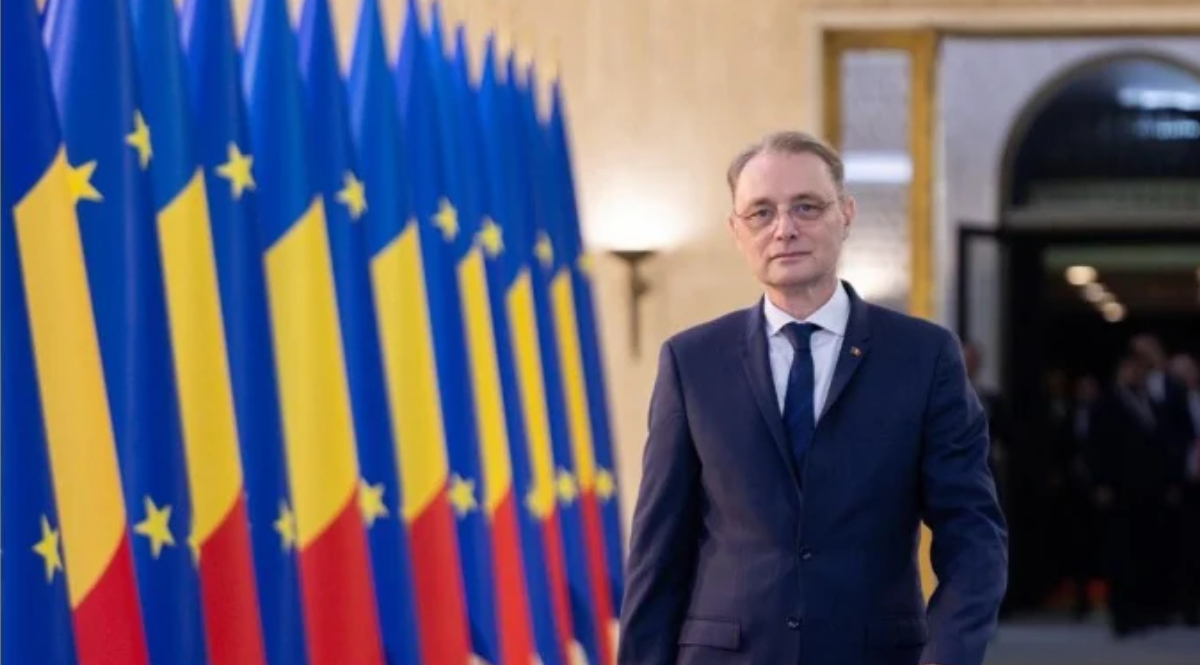
The vote of confidence won on 20 October 2026 by the cabinet of the non-partisan Luca Niculescu brought to an end the government crisis in Romania that had been ongoing since May. The minority government is composed of ministers from the post-communist Social Democratic Party (PSD) and independents appointed by President Nicuşor Dan. The parties which support this government are distrustful of one another and at odds over how to reconcile the need to reduce the deficit with the need to maintain levels of investment and state budget expenditure. The government will keep Romania’s unequivocally Euro-Atlantic orientation and its support for the European aspirations of Ukraine and Moldova.
 gov.ro
Overcoming the government crisis
The formation of a solid majority in favour of the Niculescu cabinet—supported by 280 MPs and senators, surpassing the required 233—was made possible by concessions from the parties that had formed a grand coalition until April. The PSD (132 MPs) gave its support to the government after dropping its demand for one of its candidates to be appointed prime minister. Its overriding aim was, in fact, to enter the cabinet in order to curb the austerity reforms of the government of Ilie Bolojan of the centre-right National Liberal Party (PNL), who had served as Prime Minister since June 2025. While these reforms had protected Romania from the European Commission triggering the excessive deficit procedure and suspending EU funding, they had also hit the PSD’s social welfare-dependent electorate and local party establishment.
The government was also supported—though outside the coalition—by the PNL (83) and the Democratic Alliance of Hungarians in Romania (UDMR; 31). Their aim was to establish a cabinet with full powers, capable of amending the budget, without which the state faced paralysis (according to Bolojan, there issues including fuel shortages for ambulances). Niculescu was also backed by 17 MPs from other national minorities, who traditionally support every current cabinet, as well as some MPs from small, splinter nationalist groups.
Two major parties did not support the government. The reformist Save Romania Union (USR; 58)—a member of the former grand coalition—voted against it, arguing that supporting a government involving PSD would be a betrayal of its ideals. The largest opposition party, the nationalist Alliance for the Union of Romanians (AUR; 92), boycotted the vote while calling for snap elections—which could enable it to form a government, as it leads in the polls with 30–40% support.
The President failed to persuade PSD, PNL, UMDR and USR to re-form a grand coalition. Of the candidates for Prime Minister nominated ahead of Niculescu, one withdrew, whilst two others failed to secure a vote of confidence. These parties remained at loggerheads after PSD—in opposition to Bolojan’s reforms—left the coalition in April and, in May, together with AUR, tabled and voted on a motion of no confidence against his government. As a result, it became a caretaker government with limited powers—including an inability to issue urgent ordinances with the force of law, which are crucial for the running of the state. President Dan opposed early elections. Publicly, he argued that they would delay the formation of a regular government by a further five months—though in reality, he feared that AUR would win power.
Government instability
Niculescu, a former career diplomat who previously served as ambassador to Paris and as deputy foreign minister coordinating Romania’s OECD accession, lacks a political base of his own. His government is at risk of losing its parliamentary majority, as the parties backing him have not formed a formal coalition and are distancing themselves from him. Even the PSD avoids claiming the government as its own project, with its support conditional on balancing the stabilisation of public finances against halting the decline in living standards and ensuring economic development. Meanwhile, the Social Democrat Marian Neacşu has taken up the post of sole Deputy Prime Minister and received the right to coordinate the work of all 11 PSD ministers (out of 17 in the cabinet), the General Secretariat of the Government and the Prime Minister’s Chancellery. He was also guaranteed the power to block any government bill with budgetary implications.
The centre-right parties refused to join the cabinet and announced they would only support it in parliament ‘conditionally and on a case-by-case basis.’ Instead, they concluded agreements with Niculescu ruling out motions of no confidence—the PNL until March, and the UDMR for six months—provided that the government fulfils its commitment to tackle the deficit and, in the UDMR’s case, also safeguards the rights of Romania’s ethnic Hungarians in the proposed law on national minorities.
Economic challenges
The Niculescu government faces the challenge of reducing the deficit without passing reform costs on to businesses, making cuts to social spending, or curbing investment. It plans to continue fiscal consolidation—in 2024, Romania’s deficit was the highest in the EU at 9.3%; the Bolojan government reduced it to 7.8% in 2025 and had planned to bring it down to 6.2% in 2026. Niculescu is maintaining this target and intends by 2030 to bring it below the EU’s excessive deficit threshold of 3%. The government aims to achieve this by improving tax collection—for example, in 2024 Romania’s VAT gap was the largest in the EU at 29.5% (compared to 10.9% in Poland)—and by combating fraud. Savings are also expected to come from the long-delayed reform of central and local government administration.
The government plans to stimulate Romania’s economic growth. Its GDP grew by just 0.9% in 2024 and 0.8% in 2025, whilst in 2026 the recession could reach 0.4%. Programmes supporting reindustrialisation and competitiveness, worth around €5 billion, are intended to provide a boost to growth. The government plans to prioritise ongoing investments rather than new ones, aiming to prevent the dispersal of resources, and should result in the completion of motorway construction and railway modernisation—the main TEN-T corridors are to be ready by 2030. The government has announced the start, after years of preparations, of gas extraction from the Neptun Deep field in the Black Sea, as well as the modernisation and expansion of the nuclear power station in Cernavodă.
Foreign and defence policy
Niculescu will maintain a foreign and defence policy underpinned by Romania’s membership of the EU and NATO, as well as a close bilateral alliance with the US. There has been a consensus on these issues amongst the main political groups for years—with the only exception being the anti-EU and anti-Ukrainian AUR. The new government has announced that, within 30 days, it will draw up a list of the most important issues to be addressed within the EU. These will include maintaining a high level of structural funds in the budget for 2028–2034, as well as an ambitious common industrial and energy policy.
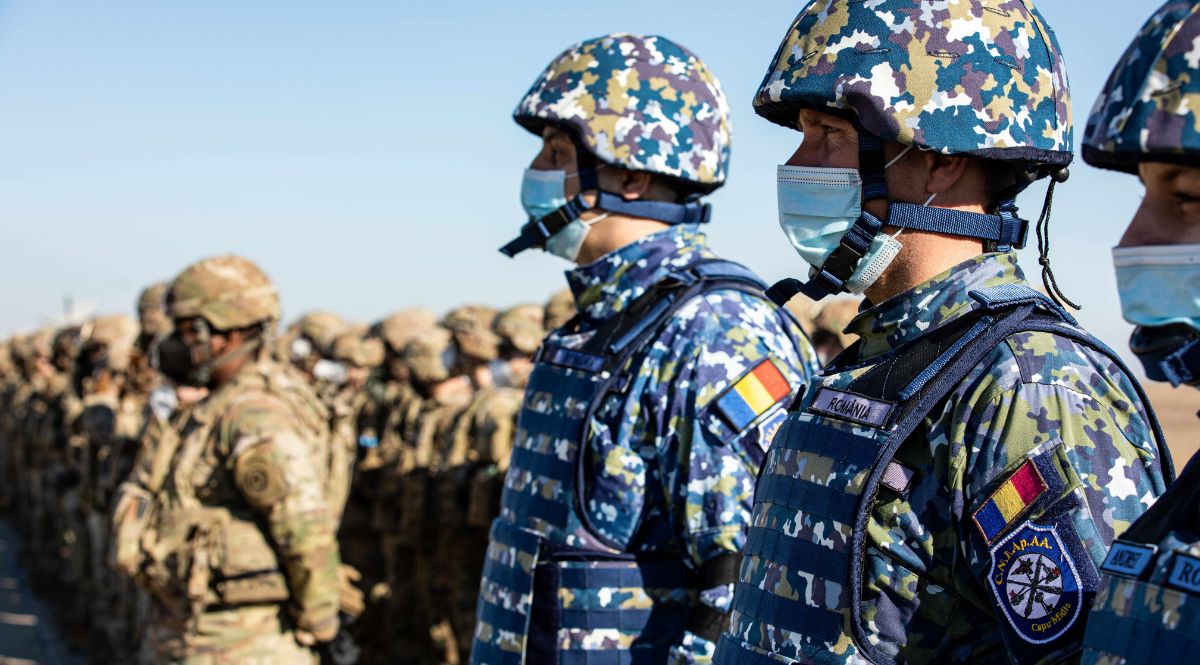
Despite its focus on austerity, the government will aim to increase defence spending to 3.5% of GDP (and a further 1.5% on non-military security) in line with the commitments made at the NATO summit in The Hague. In 2026, Romania’s budget plan envisages defence expenditure of 2.45%, compared with 2.28% in 2025 and 2.17% in 2024. The government intends to update the “Army 2040” programme and the multi-year armaments procurement programme (with priority given to air defence, naval capabilities, drone capabilities and ammunition production) and to link this more closely to the development of the domestic defence industry. It also intends to seek greater engagement from EU and NATO allies on the eastern flank and in the Black Sea.
The new government will continue to provide comprehensive assistance to Ukraine, while also planning to develop a mechanism to facilitate Romanian companies participation in Ukraine’s post-war reconstruction. It will support the EU’s enlargement policy towards the East and the Balkans, whilst maintaining a priority focus on Moldova, which it regards as the second Romanian nation-state. This was confirmed by the Prime Minister’s first foreign visit in October, when he visited Chișinău and pledged continued support.
Conclusions
The formation of the Niculescu cabinet has halted the political crisis, but has not brought it to an end. A weak mandate limits the government’s ability to continue austerity reforms that are unpopular with the public. The absence of a formal coalition makes it easier for the parties aligned with it to withdraw their support and blame one another for destabilising the country. The mood among the electorate may prompt them to do so—PSD voters expect a slowing of the reforms, whilst PNL supporters want to see them accelerated. Any potential crises would weigh heavily on President Dan, who is seen as the political patron of the Niculescu cabinet.
The government’s weak mandate plays into the hands of AUR, which presents itself as the only force capable of bringing about a breakthrough and restoring order to political life. In practice, the party has no interest in snap election—none have been held in Romania since 1933—as an early vote could end with it taking office during an acute public finance crisis. Instead, its demands for them are intended to intensify its criticism of the mainstream parties and President Dan, and to build political capital for the 2028 parliamentary elections.
The Niculescu government’s policy will be unequivocally Euro-Atlantic, ensuring that Romania will remain a key partner for Poland on the eastern flank of NATO and the EU. However, in the face of Russia’s increasingly aggressive actions in the Black Sea, it will press more strongly for greater involvement from its allies along its southern boundary as well, far from Poland’s borders. Supporting Moldova’s integration into the EU could be an area for Polish-Romanian cooperation, although the effectiveness of this may be limited by Romania’s ideologically driven approach towards Moldova.