Romania's Security Following the Reduction of US Troop Numbers
On 29 October, the United States announced that it would suspend the rotation of the brigade from the 101st Airborne Division stationed in Romania, elements of which are also deployed to Bulgaria, Slovakia, and Hungary. This decision is the first action taken by Donald Trump's administration to reduce troop numbers in Europe. From Romania's perspective, the most important thing is that the US is not withdrawing all its troops and that close bilateral cooperation in the field of security is to be maintained.
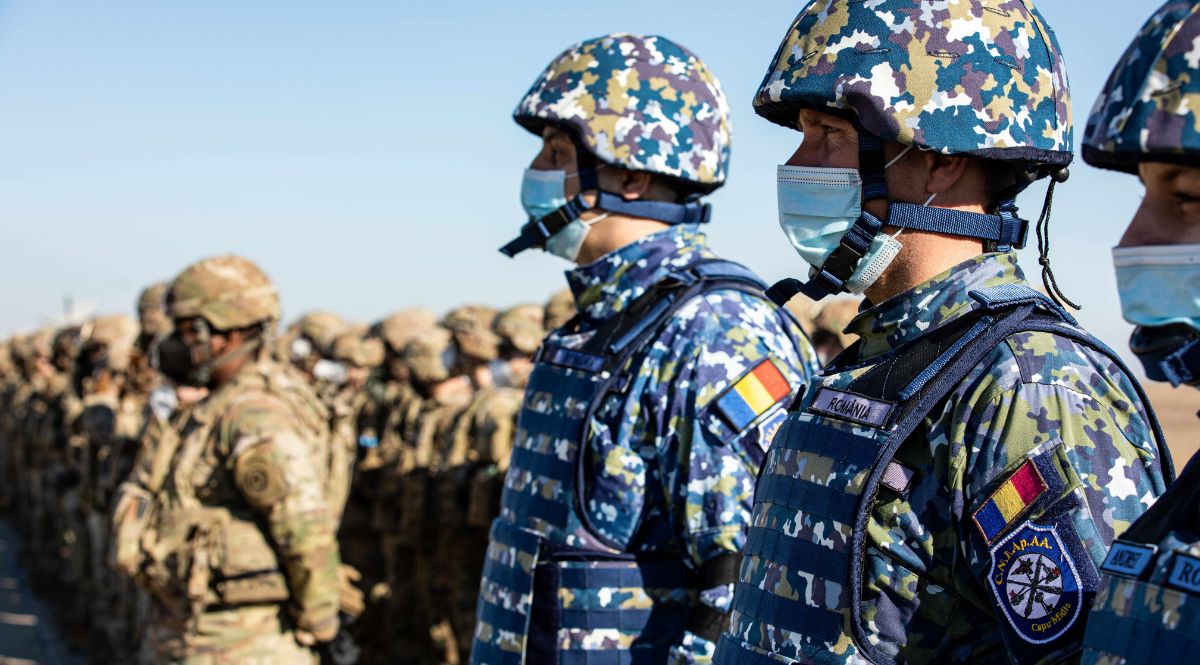 Spc. Osvaldo Fuentes/U.S Army / Zuma Press / Forum
How did Romania react to the US decision?
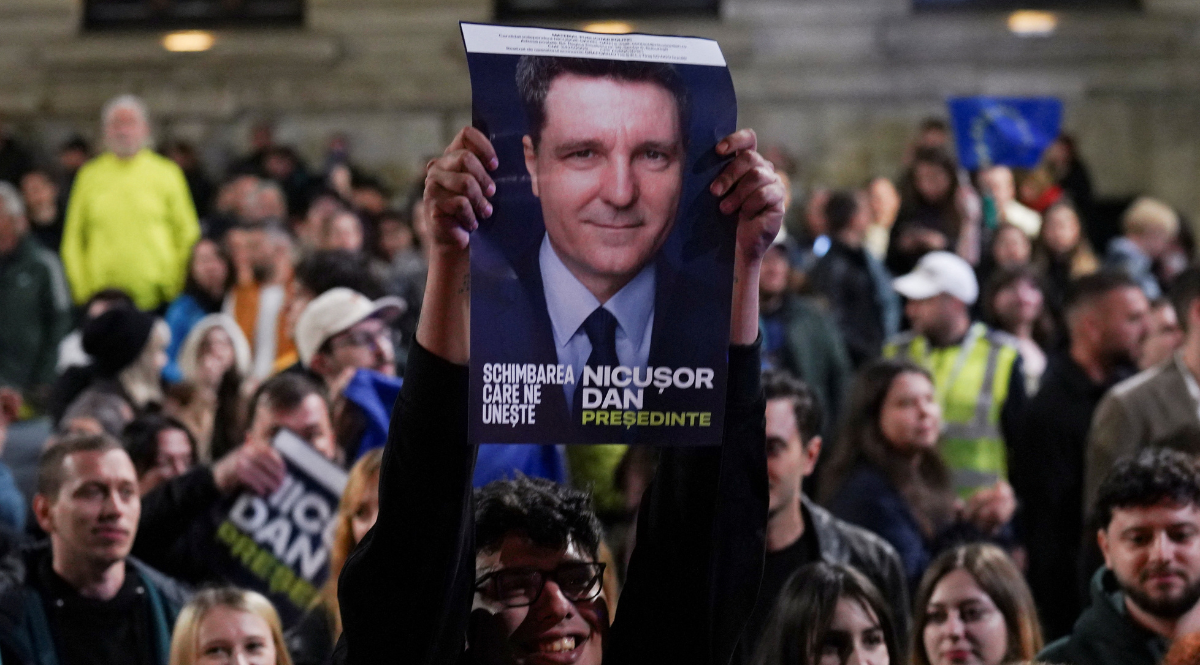
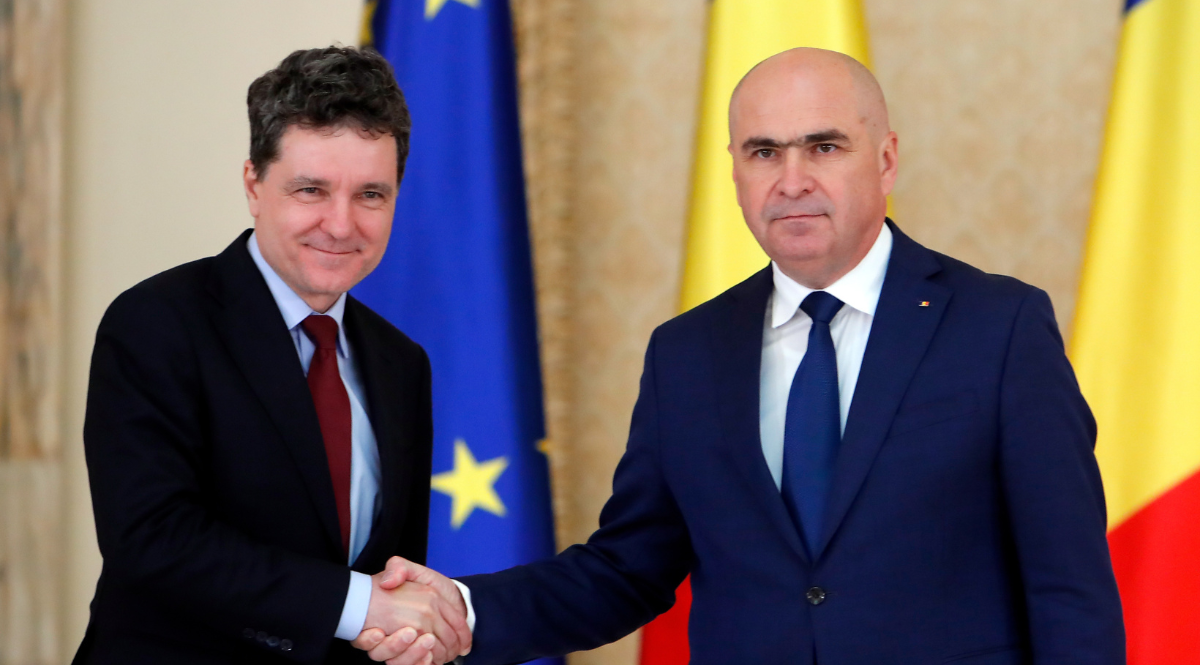
The Romanian authorities claim that the Trump administration's decision did not come as a surprise to them, although their frantic reactions suggest otherwise. President Nicuşor Dan, who has a key influence on the country's foreign and defense policy, gave reassurances that Romania's security has not been weakened, as the number of US forces is returning to the same level as before Russia's full-scale invasion of Ukraine (a permanent rotational presence of about 1,000 soldiers), and the resulting shortfall will be made up by an increased presence of European partners' troops. Deputy Prime Minister and Defence Minister Ionuţ Moşteanu added that the US decision was expected due to its greater focus on the Indo-Pacific region and the strengthening of its European allies, and that Romania's main defence force would remain its own army, which requires further investment in weapons and training. George Simion, leader of the Alliance for the Unity of Romanians, which is leading in the polls and sympathises with Trump and the MAGA movement, accused the president and the ruling coalition of allowing their dislike of the current US administration to influence their decision.
What is the significance for Romania of the bilateral alliance with the US?
Romania is one of the US’s most devoted allies in Europe. In 2011, it renewed its strategic partnership with the US, established in 1997, by signing a joint declaration. It treats its close bilateral alliance with the US as the foundation of its own security, alongside its membership of NATO and the EU. To increase its credibility as a security partner with the US, Romania sent contingents to Afghanistan (a total of 32,000 soldiers between 2002 and 2021; 27 killed ) and Iraq (12,000 soldiers between 2003 and 2009; 4 killed ). In addition, it made the Mihail Kogălniceanu base available to US troops, which is key to supplying US forces in the Middle East, as well as bases in Câmpia Turzii, Cincu, Smârdan, and Babadag. It also made the Deveselu base available to the US for the Aegis Ashore missile defence system, which was eventually incorporated into NATO's EPAA (European Phased Adaptive Approach) system. In addition to the small NATO forces, the US maintains an independent contingent at the Mihail Kogălniceanu and Cincu air bases, which in 2022 was doubled to 2,000 troops. For Romania, another way to strengthen its alliance with the US is by modernising its armed forces with advanced American weaponry. It has signed contracts for, among other things, seven Patriot batteries and 54 HIMARS launchers (a regional maintenance centre for these systems has been opened in Romania), 54 Abrams tanks, and 32 F-35 fighter jets.
How does the Trump administration view Romania?
During Trump's first term, Romania was viewed through the prism of the Three Seas Initiative, which the US authorities assessed positively and treated as a project strengthening the integrity of Central Europe and promoting American interests. The region also served as a counterweight to Western Europe, with which the president remained reluctant to cooperate. This resulted in two visits to Washington, D.C. by President Klaus Iohannis, in 2017 and 2019, but Trump himself never visited Romania. The approach to this country during his second term is ambiguous. Vice President J.D. Vance criticised Romania for the Constitutional Court's decision to invalidate the first round of the presidential election in December 2024. Relations were also affected by the arrest and indictment on charges of rape and human trafficking of misogynistic influencers Andrew and Tristan Tate, both US citizens, in a case in which President Trump's special envoy Richard Grenell was to intervene. In the re-run presidential election, the Trump administration favoured George Simion, an admirer of Trump, rather than Nicuşor Dan, who ultimately won. According to the Romanian government, the new president is nevertheless expected to visit the US in early 2026.
How does Romania view its security prospects?
The full-scale Russian invasion of Ukraine has reinforced Romania's belief that Russia is the main threat to its security. A Russian victory would likely also result in the vassalisation of Moldova, which Romania considers to be a second Romanian nation-state. This prompted the authorities in Bucharest to overcome their long-standing disputes with Ukraine and provide it with significant support. Romania also increased its defence spending – from 2% to 2.5% of GDP starting in 2023, supported a proposal to further increase it to 3.5% of GDP, and accelerated the modernisation of its armed forces (although many programs are delayed). At the same time, at the NATO summit in Madrid in 2022, it demanded support from its allies, pointing out that they had underestimated the importance of the Black Sea part of the eastern flank. In response, the Alliance established a combat group in Cincu under French command and with the participation of Belgium, Poland, and the US, as well as the Netherlands, Italy, Luxembourg, and Spain, which expanded to brigade size from 2025, at around 4,000 soldiers. At the time of the Russian invasion of Ukraine, the United States doubled its independent contingent in Romania (to 2,000 soldiers) – its size is currently being reduced.