
Ukraine Strikes at Russia's Energy Sector
The strategic goal of Ukraine’s recent attacks on Russia is to put pressure on it to bring it to the negotiating table while strengthening Ukraine’s negotiating position. Successful strikes on energy-infrastructure targets reduce Russia’s budget revenues and coarsen public sentiment. They also limit export opportunities and put stress on Russian energy cooperation with Central Asian countries, Hungary, and Slovakia. The effectiveness of the attacks indicates Ukraine’s growing capacity to target locations deep within Russia with homegrown resources.
 STAFF / Reuters / Forum
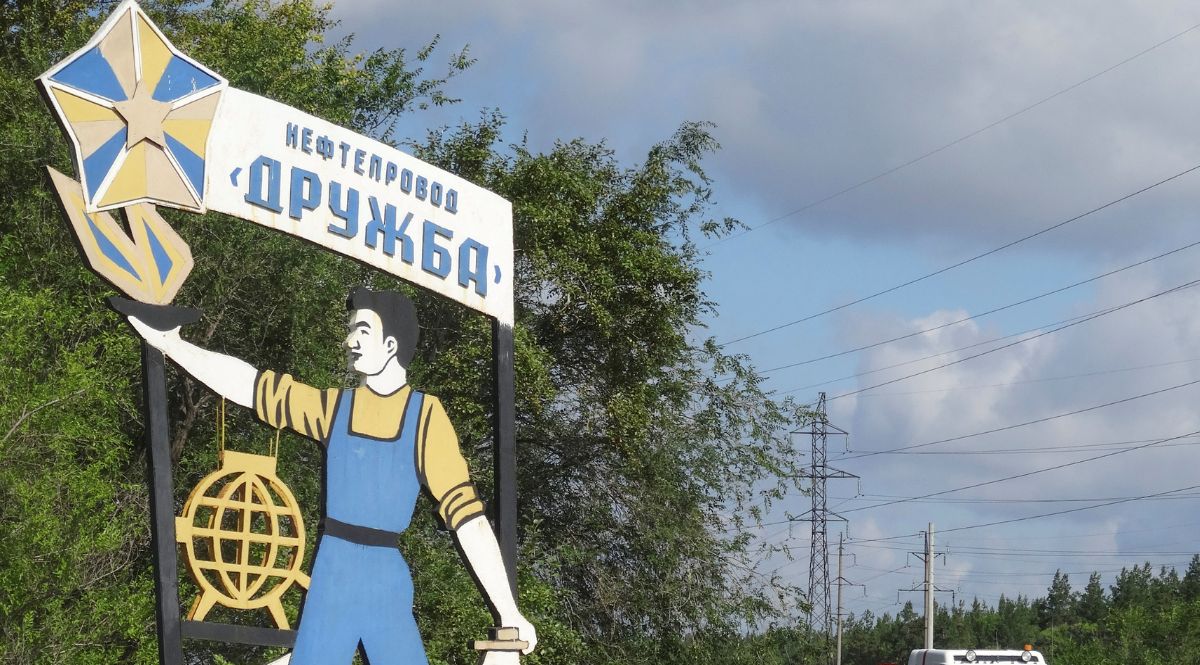
Since the beginning of August, Ukraine has intensified its attacks on Russian energy infrastructure. As in previous months, refineries remain the main target of the strikes, with 13 facilities already damaged, including ones in Ryazan, Slavyansk, Saratov, and Volgograd. It is difficult to estimate the losses due to the Russian authorities concealing information, but according to Reuters, processing capacity has declined by between 18% and 21%. The Druzhba pipeline has been attacked three times, resulting in the suspension of oil exports to Belarus, Slovakia, and Hungary. The oil terminal in Ust-Luga on the Gulf of Finland and the pipeline supplying fuel to Moscow from Ryazan have also been damaged. Following an explosion in the Volgograd region, the Central Asia–Centre gas pipeline, which connects Russia with Turkmenistan and enables gas exports from Russia to other regional countries, was shut down. The attacks have also targeted a number of railway junctions and fuel depots.
In response, Russia attacked the gas pumping station in Orlivka, located on the Ukrainian-Romanian border on the Trans-Balkan gas pipeline route. This facility enables gas to be imported from Azerbaijan—the first delivery took place the week before the attack—and from LNG terminals in Greece. The Azerbaijani SOCAR fuel depot in Odesa was also completely destroyed. Further strikes affected energy facilities in Kremenchuk and the Chernihiv region, among others. At the same time, Russia intensified its attacks on the civilian population.
Ukraine’s Goals
The attacks on Russian energy infrastructure are not merely a retaliatory response to the massive Ukraine in recent weeks. Unlike previous campaigns, the Ukraine’s current campaign is characterised by much greater intensity and effectiveness, resulting in more serious damage being inflicted through repeated strikes on the same sites. The intensification of attacks during the summer, when fuel demand is at its peak puts economic and social pressure on the Russian authorities, resulting in regional shortages and record increases in gasoline prices. Adding to the chaos, Ukraine is simultaneously carrying out attacks on railway infrastructure, hindering logistics and potentially affecting supplies to the Russian air force and army in Donbas.
The strategic objective of these attacks is to reduce Russia’s budget revenues from oil sector taxation, which currently account for 30% of state revenues. Strikes on refineries are intended to reduce fuel production and force the export of less-profitable unprocessed oil. The growing infrastructure losses are an additional burden on the Russian economy, which Ukraine estimates at $74 billion since January this year. The strikes on advanced facilities, such as the Novoshakhtinsk refinery launched in 2009, are particularly severe and their complete reconstruction may currently be impossible due to technological sanctions. The intention is also to undermine confidence in Russia as an exporter further, further reducing its margins and forcing customers (e.g., Hungary) to import from alternative sources. This is expected to increase exacerbate Russia’s budget deficit and force a reduction in military spending in the coming years.
The attacks also have a political dimension. Ukraine is trying to pressure Russia to start peace talks and strengthen its Ukraine’s negotiating position. These actions also intended to demonstrate Ukraine's ability to carry out military operations deep inside Russia. This is aimed to boost morale among the Ukrainian population and increase the cost of the war for Russian people and businesses. The operation compensates for the failure of the U.S. to introduce stronger energy sanctions on Russia, and according to the Ukrainian authorities, it reinforces compliance with the current restrictions imposed on the sector by Western countries.
Consequences for Russia
The attacks by Ukraine have destabilised Russian fuel production and logistics, resulting in wholesale gasoline prices increasing by almost 60% since the beginning of the year (to $1,023 per tonne) and stocks being depleted rapidly. By the end of August, shortages of gasoline had emerged in various regions, including Primorsky Krai, Zabaykalsky Krai, occupied Abkhazia, and Crimea. Consequently, sales limits were introduced in some regions. This has once again highlighted the Russian authorities’' systemic inability to ensure adequate gasoline reserves. It also demonstrates Russia’s declining capacity to safeguard critical infrastructure in the face of Ukraine’s technological advancements and evolving attack strategies.
The Russian authorities’ response options are limited and focus on improving logistics and monitoring prices. In an attempt to alleviate the crisis, the embargo on gasoline exports has been extended until October (with the exception of so-called “friendly” countries). To avoid consumer panic and mass stockpiling, government-controlled media are not reporting on the shortages.
Until repairs are completed, which could take several weeks, Russia is increasing exports of unprocessed crude oil by sea, thereby limiting sales of more profitable products such as jet fuel and diesel. This has led to greater export discounts due to declining demand for Russian oil. This will lead to a decline in revenues for extraction companies, an increase in export costs and a fall in global oil prices. This will contribute to a reduction in tax revenues from the oil sector.
Regional Effects
Ukrainian attacks are a form of pressure on countries in the region that cooperate with Russia and are aimed at limiting its economic influence. For example, the attack on the Druzhba oil pipeline caused oil supplies to Belarus, Hungary, and Slovakia to be suspended. Despite the technical possibility of diversifying supplies (e.g., via the Croatian Adria pipeline), these countries remain the only recipients of Russian oil in the EU and are doing so in pursuit of short-term benefits. The attack has increased the risks and costs associated with cooperating with Russia. They demonstrate Ukraine’s determination to increase the political and economic pressure on Hungary in particular, the only country blocking its progress in EU accession negotiations and pursuing a pro-Russian policy. In response, Hungary threatened to cut off electricity supplies to Ukraine, wrote letters of complaint to Trump and the president of the European Commission, and banned the Ukrainian commander responsible for the attack, Robert Brovdi (an ethnic Hungarian from Transcarpathia), from entering the country. Ukrainian President Volodymyr Zelensky suggested that the future of oil transit via the Druzhba pipeline would depend on Hungary’s future policy towards Ukraine.
Damage to the Central Asia–Centre gas pipeline, which is used to export gas from Russia to Central Asian countries to compensate Gazprom for the loss of the European market after the transmission direction was reversed in 2023, is evidence of Ukraine’s more active policy of limiting Russian economic influence in Asia.
The expansion of the gas pipeline was intended to quadruple its capacity to 12 billion cubic metres, enabling Gazprom to increase its sales in Uzbekistan and Kyrgyzstan. In the long term, this would enable a new export route to China to be used without the need for costly investment in new gas pipelines. However, the attack increases the risk to the investment and may cause delays.
In turn, Russia’s retaliatory attacks on energy facilities linked to Azerbaijan are a response to growing tensions in bilateral relations in recent months, as well as a warning against further rapprochement between Azerbaijan and the US and Ukraine. However, these actions have had the opposite effect: Azerbaijan has increased its humanitarian aid to Ukraine and threatened to lift the embargo on arms supplies.
Conclusions
Ukraine has the capacity to increase pressure on Russia, bringing peace talks closer. The current losses may accelerate the achievement of a ceasefire in the air. Ukraine’s attacks will reduce Russia’s budget revenues and increase inflationary pressure, which may halt the planned interest rate cuts (currently 18%). This level is increasingly a problem for the slowing Russian economy. The weakening air defence capabilities securing critical infrastructure may encourage Ukraine to intensify airstrikes, thereby reducing energy export capacity further. Consequently, Russia’s influence in Central Asia may wane, forcing Hungary and Slovakia to implement plans to move away from Russian fossil fuels.
Strikes on Russian transmission infrastructure and comments by the authorities suggest that Ukraine is preparing to adopt a tougher stance towards Hungary. The aim is to unblock the accession process and increase the costs of Viktor Orbán’s pro-Russian policy. Given Hungary’s unyielding stance, restrictions on oil transit through Ukraine cannot be ruled out. This would worsen Hungary’s economic situation and could undermine confidence in the ruling Fidesz ahead of the parliamentary elections scheduled for spring 2026.

.png)
.png)
.png)
.png)