
Ukraine Sees Foreign Policy Potential in Africa and Latin America
In response to the Russian invasion of 2022, Ukraine activated previously marginalised foreign policy directions and engaged in developing relations with African and Latin American states. The goal of Ukrainian diplomacy is to gain and maintain the support of partners that recognise its sovereignty and territorial integrity, to promote the Ukrainian Peace Formula, and to combat Russian influence.
 Zozulia Yulii/Ukrinform/ABACA / Abaca Press / Forum
Prior to the invasion, Ukraine did not have an active policy towards African and Latin American countries. Adopted at the end of 2021, its Foreign Policy Strategy (FPS) described objectives towards countries from these regions in general terms. They were seen virtually exclusively through the prism of economic cooperation. The Russian full-scale attack led to the activation of both foreign policy directions: a strategy for Africa was created at the Ukrainian Ministry of Foreign Affairs in 2022 and a Latin America strategy in 2024. In line with the FPS, they took economic diplomacy as their basis, but building a strong Ukrainian position in both regions in the context of Russian aggression also became an important element. Although Ukraine has taken the first steps towards a greater diplomatic and economic presence in both regions, it has been hampered by a shortage of financial resources and, consequently, a limited number of diplomatic representations.
Diplomatic Activities
Most African and Latin American states declare neutrality, which often in practice means actions in line with Russian (Russian Federation) policy, such as abstaining in voting at the UN or opposing sanctions or isolating Russia. A minority of countries explicitly support Ukraine, including Chile, Botswana, Zambia, and Rwanda. The war in Ukraine is perceived by most countries in both regions as a distant, European conflict that does not directly affect them, but nevertheless translates into higher food and/or energy prices. Therefore, Ukrainian efforts are focused on strengthening its voice in these regions, countering Russian disinformation, and presenting the war as stemming from Russian imperial and neo-colonial policy. This is particularly important in those countries where Russia is traditionally considered a defender against colonialism. Thus, changing the narrative could be important in combating Russian influence.
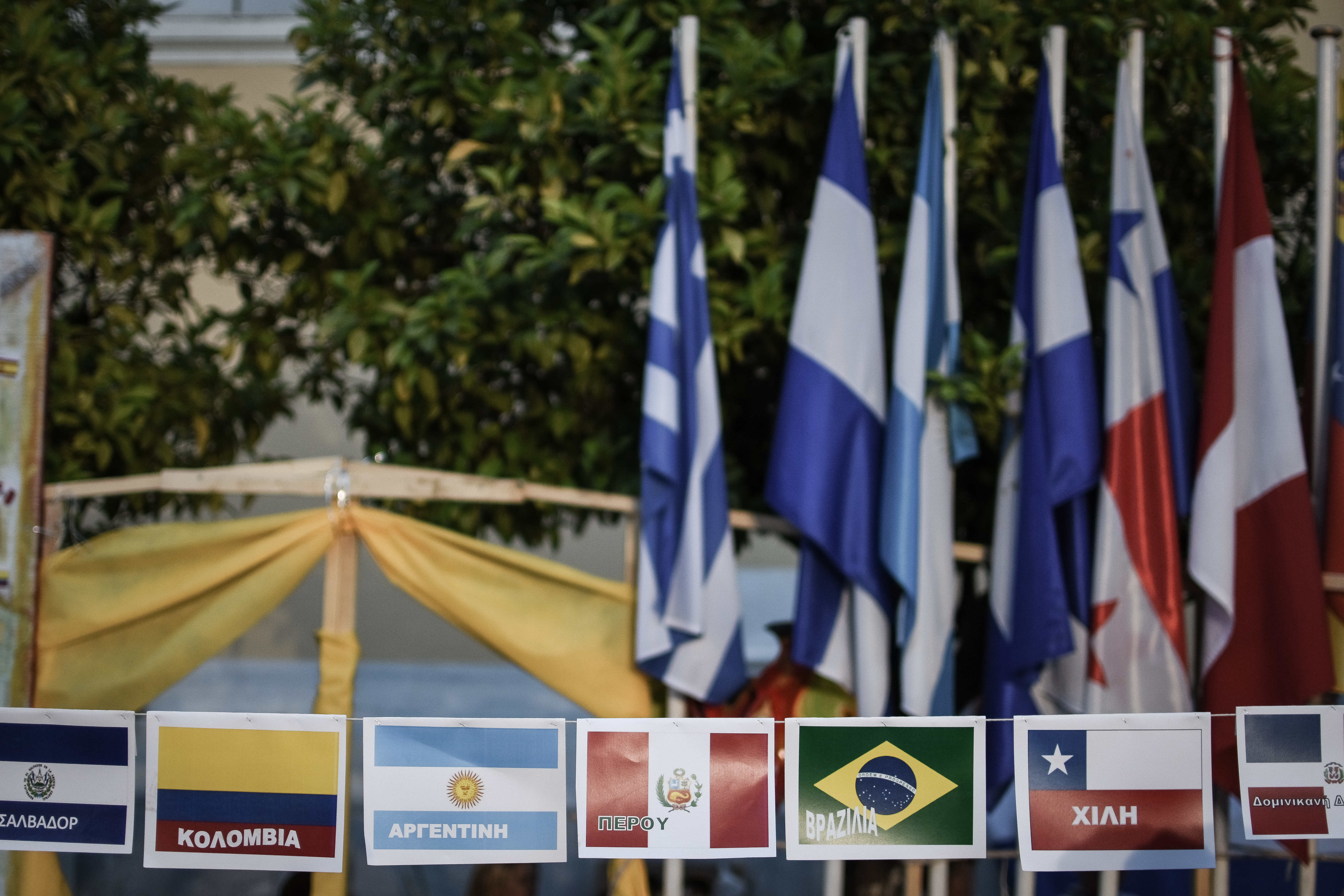
The Ukrainian government actively conducts political dialogues at the bilateral level. In December last year, President Volodymyr Zelensky was present at the inauguration of Argentine President Javier Milei, where he met with, among others, the leaders of Uruguay, Paraguay, and Ecuador. It was the first visit of a Ukrainian head of state to Latin America since 2011. Minister of Foreign Affairs Dmytro Kuleba, on the other hand, is active in the African direction. Since 2022, he has travelled to Africa several times, including to Senegal, Côte d'Ivoire, Ghana, Kenya, Morocco, Ethiopia, Rwanda, Mozambique, Nigeria, South Africa, Liberia, and Equatorial Guinea. In 2023, a diplomatic mission was opened in Ghana and work is underway to open posts in Rwanda, the DRC, Mozambique, Mauritania, Tanzania, and others. Ukraine’s increased activities include media campaigns, inviting journalists from Africa and Latin America to Ukraine, and establishing relationships with local expert communities. In addition, Ukraine is engaging militarily, at the request of its authorities, in Sudan, where Ukrainian special units are helping to combat pro-Russian militias and former Wagner Group mercenaries.
In Search of Support for the Peace Formula
One of the most important tools of Ukrainian foreign policy has become its “Peace Formula”. The 10-point plan, based on articles in the UN Charter, is the Ukrainian proposal for conditions ending the war with Russia. The Ukrainian authorities present it as a universal solution for peace negotiations that could be used to end other conflicts in the world. In practice, it is a way of internationalising talks about Ukraine and seeking foreign partners that will support the Ukrainian vision of the peace process, hence the general nature of the demands contained in it, from issues strictly related to the situation in Ukraine (withdrawal of Russian troops) to terms attractive to non-European countries (such as ensuring food security, energy security, or environmental protection).
As part of the promotion of the Peace Formula, Ukraine is organising further inter-state consultations (in 2023, they were held in Copenhagen, Jeddah, and Malta, and in January 2024 in Davos). In addition, the plan has been presented on the margins of various international meetings, including the G20 meeting in Bali, the Arab League summit, and the G7 summit. So far, Ukraine is partially achieving one of its objectives, that is more and more representatives of non-European countries taking part in the consultations, and in February this year, Switzerland announced at the UN that it would be taking part in them and is ready to host a world peace summit this summer.
Economic Diplomacy
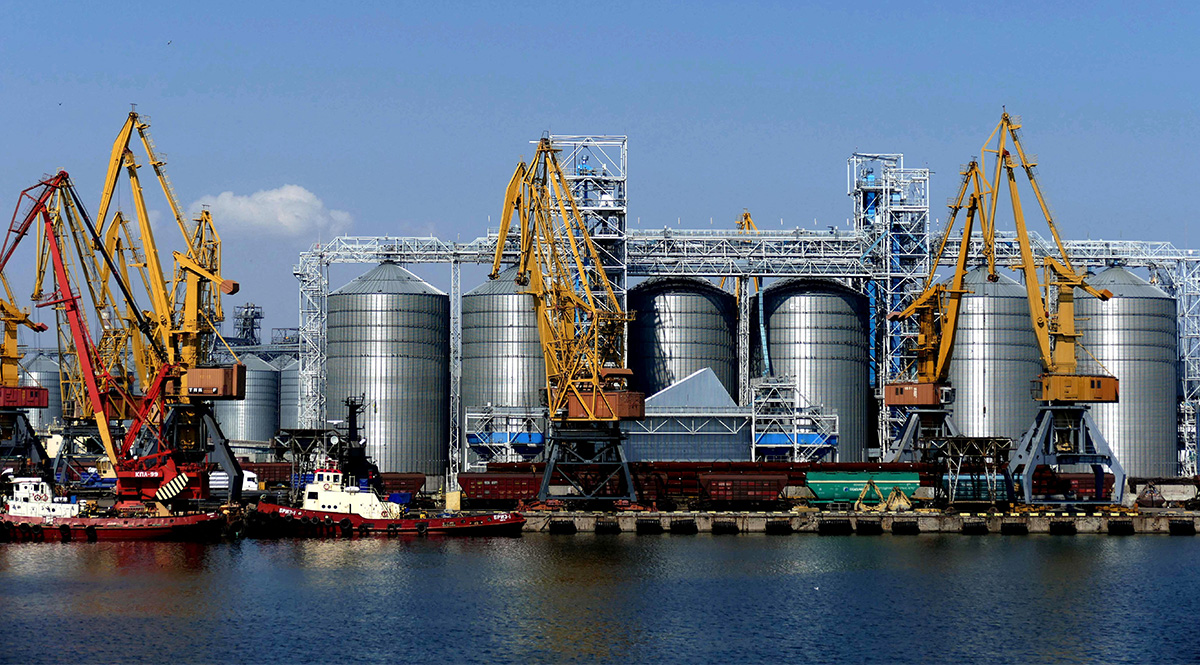
African and Latin American countries are particularly attractive markets for Ukraine because of the potentials of their growing economies and the need to diversify Ukraine’s foreign trade. As a result of the destruction of major industrial plants in Ukraine by the war, agricultural crops, including grain, are now the most important export product, with the share of agri-food products in Ukraine’s total exports rising to 62% in 2023. Although transport corridors across the Black Sea are limited in capacity, Ukraine is constantly working to increase exports, including in the African direction. Some of the activities focus on quasi-propaganda programmes, including the humanitarian aid programme “Grain from Ukraine”, implemented in partnership with the UN World Food Programme. Under it, African countries in need receive Ukrainian grain. Among other aims, such initiatives attempt to combat Russian propaganda that falsely blames Ukraine and its Western partners for food crises while directly competing with a similar grain programme run by Russia. Ukraine also has the potential to establish itself in non-European markets in energy and innovative technologies. For example, Zambia, Colombia, and other countries have expressed interest in the Ukrainian data application Diia, a system for electronic sharing of state documents and services.
Conclusions and Perspectives
Ukraine’s continued engagement in Africa and Latin America will require significant organisational and financial resources, which will not be easy for the Ukrainian state to provide during the war. Currently, most of Ukrainian activities in this area are focused on African countries, due to the economic potential of this region. This is bearing first fruits as some of the countries in the region are modifying their position towards the war in Ukraine. This is due both to the Ukrainian actions (information policy, sustaining grain exports) and Russia’s own policy (e.g., blackmail by blocking the Black Sea transport corridor). As a result, Russian initiatives, such as the second Russia-Africa summit last July, are proving to be an image failure for Russia. In the long term, further changes in the approach of some non-European countries with regard to, for example, voting at the UN, will be possible.
Due to its relatively small financial and organisational resources, Ukraine will emphasise media campaigns with its perspective, especially pointing to Russian colonialism while presenting Ukraine as a state fighting imperialistic policies. The popularity in the region of the Russian narrative in which Western states (including European states that have historically been colonisers) are trying to impose their policies on Ukraine, will be an obstacle. It may also be important to diversify the message by, for example, reporting on Russia’s persecution of the Islamic organisations of the Crimean Tatars in Muslim African countries or emphasising the process of deportation and denationalisation of Ukrainian children in countries that faced or are facing the problem of child abuse amidst hostilities. The latter topic resonates with South Africa, among others, which has evolved in its views on Russia and is moving from a de facto supportive state to a more critical stance.
Poland, together with EU representations, can help Ukraine build its position in these regions, especially by supporting the message about Russia’s imperialistic policy. EU outposts can join in promoting the Peace Formula, while Poland, which never had a colony and has itself been a target of Russia’s aggressive policy, can provide weight to the message about Russian colonialism through information activities and media campaigns.


.jpg)
.jpg)