
Turkey Towards Afghanistan
Turkey’s negotiations with the Taliban aim to strengthen the country’s political influence in Afghanistan, hoping that would improve its international position, help develop its strategy towards Asia, and limit the influx of Afghan refugees. Cooperation with Turkey on Afghanistan could help the EU better manage migration from the latter.
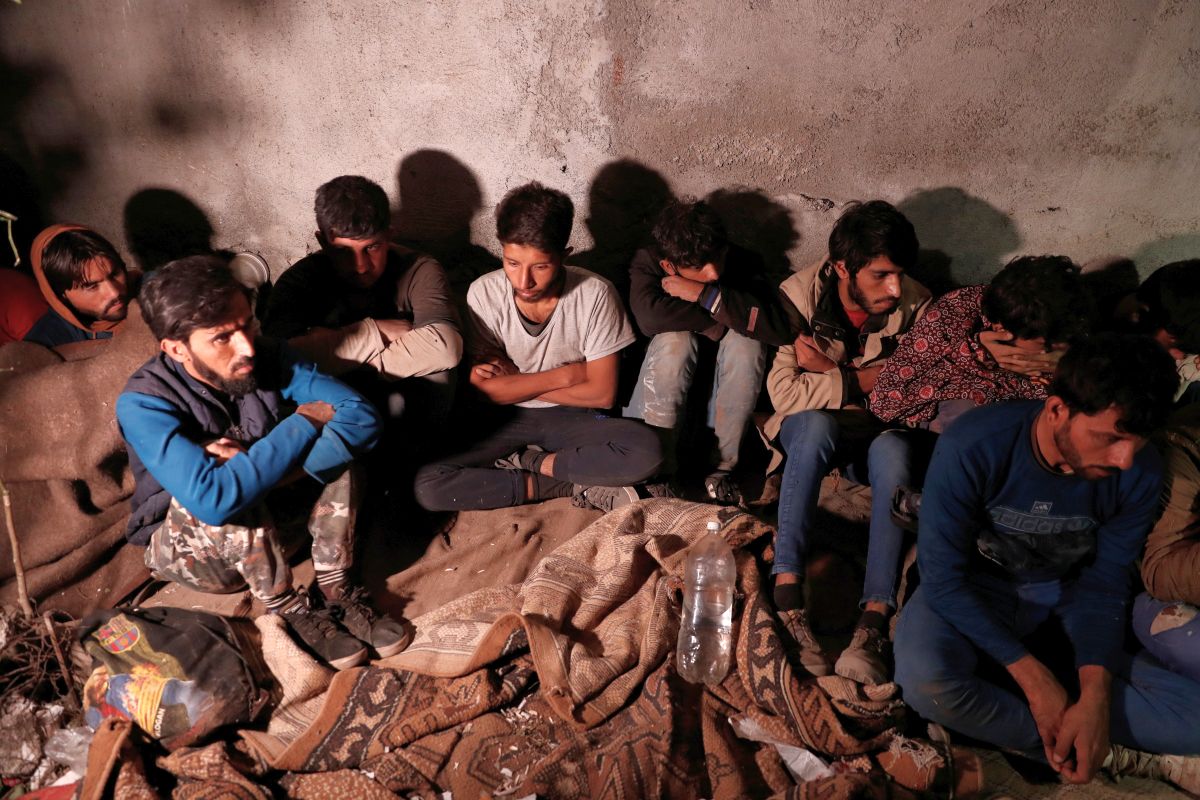 Photo: MURAD SEZER/Reuters/Forum
In mid-October this year, a Taliban delegation led by interim Minister of Foreign Affairs Amir Khan Muttaqi travelled to Turkey to discuss the prospects of bilateral cooperation. The visit was part of the efforts of the Turkish authorities over the last six months to ensure Turkey maintains a presence in Afghanistan after the U.S. withdrawal. First, they focused on negotiations with the U.S., culminating in a meeting between presidents Joe Biden and Recep Tayyip Erdoğan during the NATO summit in Brussels in June. Then, after the fall of Kabul in August, involved talks with the Taliban via Qatar and Pakistan. Currently, Turkey is emphasising direct contacts with the Taliban. This was expressed by Muttaqi’s visit and the Turkish proposal that foreign ministers of unspecified “Muslim states” go to Afghanistan. The attempt to organise a wider delegation is intended not only to confirm the Turkish will to engage in relations with the Taliban but also to disperse responsibility for increasing the militants’ visibility in the international sphere.
Turkey’s Goals
Through a presence in Afghanistan, the Turks would like to strengthen their position vis-à-vis Western allies, especially the United States. After the meeting of the presidents, Turkish representatives spoke several times about the possibility of supporting the operation and protecting Kabul airport after the withdrawal of American troops. Turkish politicians hoped the mission would increase their ability to influence the U.S. and lead to an improvement in bilateral relations. The goal was to bind the interests of the United States and Turkey closer together to limit the Americans’ room to intensify the disputes between the states (e.g., to impose additional sanctions for Turkey’s purchase of an S-400 system from Russia). Another advantage of the mission was to strengthen Turkey in NATO. It would have shown the allies, especially those who have doubted the legitimacy of its membership in the Pact in recent years, the still great importance of the state for the Euro-Atlantic community. The Turks wanted to build on their many years of involvement in Afghanistan. Not only on the experience in protecting the airport in Kabul, which Turkey had been dealing with almost from the beginning as part of the NATO International Security Assistance Force (ISAF) mission launched in 2001, but also on the good image of the state among Afghans. It is the result of the mostly non-combat nature of the Turkish presence in Afghanistan and the country’s humanitarian activities, such as the construction of schools, hospital infrastructure, roads, wells, and sanitary facilities.
Although the Turks withdrew their troops from Afghanistan to meet Taliban demands, they did not abandon their plans for Kabul airport. They are negotiating with the new authorities to return to port management, subject to the Taliban’s approval of a private military company ensuring security. This determination suggests that Turkish politicians want to achieve a number of other foreign policy goals through their presence in Afghanistan. They probably think of giving credibility to the “Asia Anew” strategy, which assumes deepening political, economic, cultural and scientific cooperation with Asian countries. This would be achieved not only through multidimensional engagement in Afghanistan but also by strengthening the trilateral cooperation of both countries with Pakistan. The Turks also see Afghanistan as an instrument to increase their influence on Russia and China. Moreover, they see it as an opportunity to reaffirm Turkey’s political importance in the G20. This is evidenced by Erdoğan’s proposal to form a special working group on the future of Afghanistan, along with the aspiration to chair it.
The situation in Afghanistan is also important for Turkey’s domestic politics. By establishing contacts with the Taliban, Turkish policymakers want to prevent the arrival of Afghan refugees, as they fear that it will aggravate social unrest and dampen the ruling party’s polls (currently Turkey is home to around 300,000 Afghans who have been coming to the country regularly since the 1970s). The issue of refugees—there are almost 4 million of them in total in Turkey—is controversial with the public, not least because of existing poverty among Turks (according to the latest data of the Turkish Statistical Office, about 18 million Turks live below the poverty line), which stems from the country’s economic problems, exacerbated by the pandemic. Although the Turks do not blame refugees directly for the economic troubles, they do not like the fact that in such circumstances the state allocates funds for their livelihood. As a result, xenophobic attacks on Syrians are increasingly frequent in Turkey (e.g., in August this year in Ankara) and the public is reluctant to accept more refugees (according to a study by Metropoll, 70% of Turks oppose this). Moreover, the issue of refugees is raised by the opposition (currently gaining in the polls), which promises their deportation after coming to power.
Challenges for Turkey
The most serious challenges are related to the new regime in Afghanistan. Although the Taliban seem interested in building relations with Turkey, hoping that it will help them gain international recognition, they are reluctant to meet its demands. For example, they are delaying consent for a Turkish company to protect Kabul airport. There is still little evidence that they would be susceptible to a Turkish appeal to create an inclusive government or ensure women’s rights. This creates an image risk for Turkish politicians, which over time may be associated with political costs, for example, in the form of accusations of contributing to the radicalisation of Afghanistan.
Separate challenges are related to the international competition for influence in Afghanistan. While Qatar and Pakistan have helped build Turkey’s ties with the Taliban, its overly bold attempts to take precedence over the country’s future may cause distrust of them. The Turkish activity is also monitored by Russia and China, which may perceive it as a competitor and counteract it. This is particularly likely in the case of Russia’s and Turkey’s attempts to use the situation in Afghanistan to increase their influence in Central Asia.
Internal conditions make it difficult for Turkey to implement its plans for Afghanistan. Large financial outlays will be necessary to increase involvement in the country, which in the current economic situation is challenging. Justifying to the public a more serious commitment to Afghanistan will not be easy for the authorities, and it will be even more difficult with more refugees trying to get to Turkey. While there are currently no indications that their numbers increased after the Taliban seized power, the Turkish government fears this will change as the humanitarian situation in Afghanistan worsens.
Conclusions
Turkey has high hopes for building lasting relations with the Taliban, and thus will continue to try to get closer to them. Turkey will insist on changes regarding an inclusive government or respect for women’s rights, conditioning official recognition of the new Afghan authorities and arguing that this will facilitate their gaining wider international recognition. However, its actions towards the Taliban, including keeping the Turkish embassy in Kabul functioning, direct negotiations with the Taliban, and proposals to organise larger ministerial delegations to Afghanistan, already bear the hallmarks of implied recognition. This may limit Turkey’s ability to persuade the Taliban to implement its postulates.
Turkey’s attempts to influence the Taliban are in line with the EU’s “calibrated approach” towards Afghanistan (preventing a humanitarian disaster without official recognition of the Taliban government). The success of these efforts would reduce doubts related to the delivery of humanitarian and development aid to Afghanistan under the current political conditions. Therefore, the EU could offer Turkey to co-finance projects to improve the living conditions of Afghans. It could also help limit migration from Afghanistan, which is very likely in the event of further deterioration of the economic and humanitarian conditions in the country.
If Turkey were to strengthen its political influence in Afghanistan, its position in NATO would also improve. Turkish politicians would use this to weaken allies’ criticism of their “independent foreign policy”, such as the purchase of the S-400 anti-aircraft and anti-missile defence system from Russia. However, Turkey, striving to strengthen its position in Afghanistan, could also become entangled in rivalry with Russia and China, which would increase the importance of membership in the Alliance for its foreign policy.
