OSCE Dissolves the Minsk Group
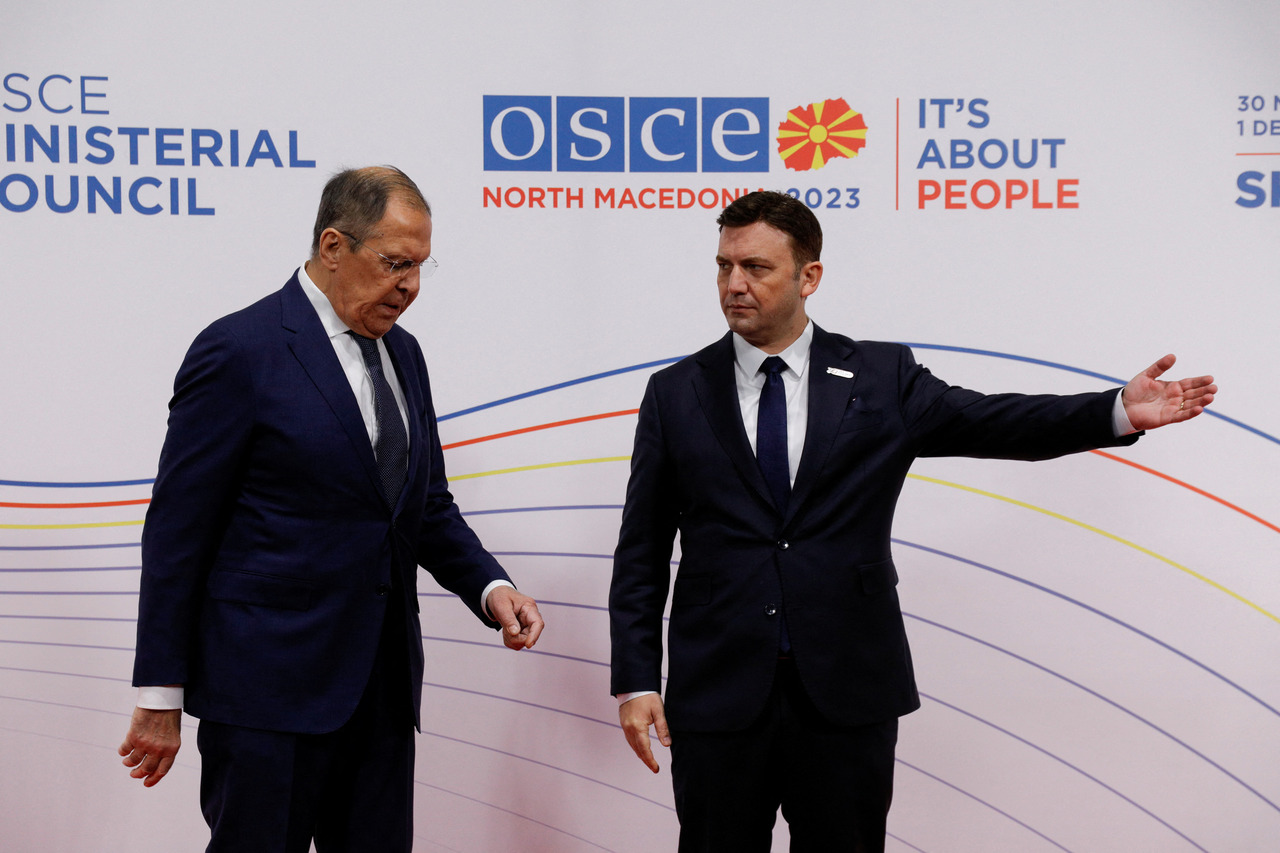
On 1 September, the OSCE Ministerial Council decided to terminate the activities of the Minsk Group (MG) established to resolve the Nagorno-Karabakh conflict and announced the formal dissolution of its structures by 1 December this year. Thus, the OSCE accepted the request of the parties to the conflict, Armenia and Azerbaijan, and confirmed that the continued existence of this peace format was unnecessary, with the United States becoming the main mediator in the Armenian-Azerbaijani conflict.
 White House / Zuma Press / Forum
What was the purpose of the OSCE Minsk Group and what did it achieve?
The Minsk Group, named after the venue of its first meeting, was established under the auspices of the OSCE in early 1990 to resolve the Nagorno-Karabakh conflict following the end of the First Karabakh War. Co-chaired by France, Russia, and the U.S., it was supposed to bring peace between Armenia and Azerbaijan, de-escalate the tensions between them, facilitate communication between the parties, and build trust between them. However, it failed to accomplish any of these tasks, nor did it succeed in organising the OSCE international peacekeeping force provided for in its mandate. The Madrid Principles of 2007, developed by the Group, which included the holding of a referendum on the future of the disputed region, were not implemented. Since 2016, Azerbaijan has gradually taken over the regions occupied by Armenians by force, and after the Second Karabakh War in 2020, Russia took the lead in mediation efforts, deploying its forces in Karabakh and marginalising the Minsk Group. Russia’s full-scale invasion of Ukraine in 2022 effectively prevented the group from functioning. Although there had been friction between the co-chairs since its inception, France and the U.S. refused to cooperate with the aggressor from 2022 onwards.
What was the context of the Minsk Group’s dissolution?
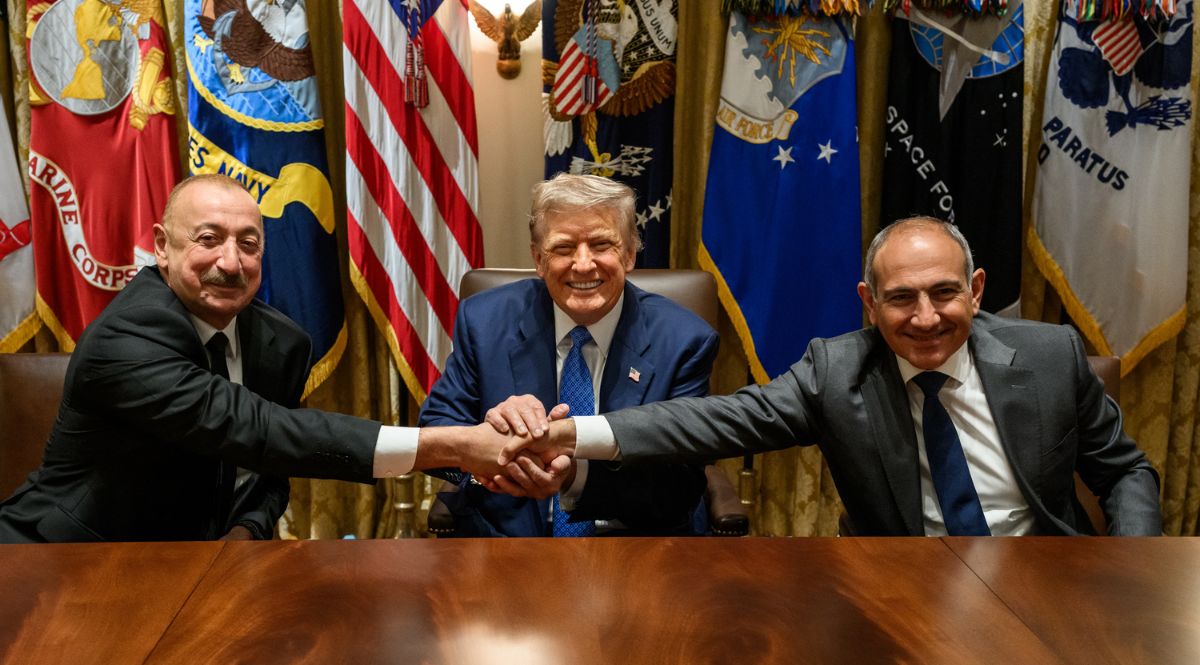
The dissolution of the Minsk Group was announced in the Washington Declaration of 8 August, signed by representatives of Armenia and Azerbaijan in the presence of U.S. President Donald Trump. In view of Armenia and Azerbaijan’s request to dissolve the group, the OSCE Ministerial Council’s decision in this regard was a formality and was adopted by a so-called silent procedure (in the absence of any objection by any of the 57 OSCE states). In addition, the Council indicated that it considers all OSCE decisions on the Armenian-Azerbaijani conflict to be null and void.
Following these decisions, the Minsk Group, as well as the Personal Representative of the Chairperson-in-Office (in 1997-2021 Polish Ambassador Andrzej Kasprzyk) and the High-Level Planning Group dealing with the Karabakh conflict, formally ceased operations on 1 September this year. The OSCE Secretariat is to finalise administrative matters by 1 December, at which point the Minsk Group will cease to exist.
What were the positions of Armenians and Azerbaijanis regarding the Minsk Group's dissolution?
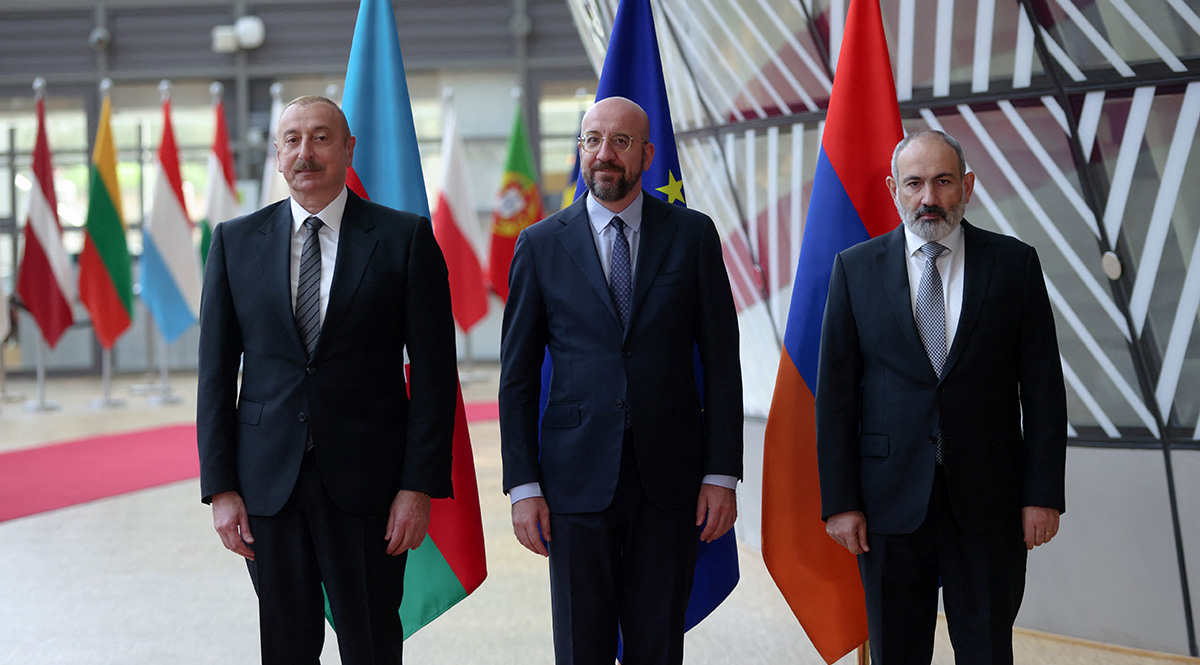
The end of the Minsk Group is presented by Azerbaijani commentators as a success for their country, citing it as an acknowledgement that it was unnecessary and that the Karabakh issue is an internal matter. Still, in May Azerbaijan made peace conditional on the dissolution of the Minsk Gorup while Armenia, on the other hand, wanted the signing of a peace treaty with Azerbaijan first. Armenian decision-makers emphasised that they did not agree to all the conditions set by Azerbaijan, which was particularly important in the context of giving up on claims to Karabakh. For years, the Minsk Group was also perceived by Armenia as a balancing element—due to the participation of the U.S. and France, where the Armenian diaspora plays a considerable role—against the far mightier Azerbaijan.
Representatives of the former leadership of the so-called Nagorno-Karabakh Republic (NKR), some of whom currently reside in Armenia and have never formally been part of the peace process, protested against the dissolution of the Minsk Group. The former speaker of the NKR parliament unsuccessfully appealed to the OSCE states to maintain it, stressing that the conflict had not been resolved and that the issue of the return of Karabakh Armenians to the region after they had to leave in autumn 2023 remained open.
What is the significance of the dissolution of the Minsk Group?
The end of the Minsk Group is yet another sign confirming the worsening condition of the OSCE and its image. Seeking to liquidate the Minsk Group, Azerbaijan vetoed the adoption of the OSCE unified budget, which has not been updated since 2021. The removal of this obstacle is therefore likely to improve the functioning of the organisation, provided that no objections are raised, for example, by Russia, which has done so on numerous occasions in the past. The dissolution of the Minsk Group does not mean the end of other peace formats within the OSCE, especially the Geneva International Discussions on Abkhazia and South Ossetia, the continuation of which is beneficial from Poland’s perspective as it provides a chance to de-escalate the separatist conflicts fuelled by Russia in those areas.
The elimination of the Minsk Group brings Armenia and Azerbaijan one step closer to signing a peace treaty because it removes one of the two obstacles that have been delaying the conclusion of terms. The second is the amendment of the Armenian constitution, whose preamble, according to Azerbaijan, contains territorial claims to Azerbaijani territory. Armenia initially rejected this claim but now seems ready to meet Azerbaijan’s demands and change it, although this must be done by referendum, which, according to the Armenian government, could be combined with next year’s parliamentary elections. This would meet U.S. expectations for the peace process to be finalised by the end of 2026.


.jpg)