Observation prevails over Engagement: First Meeting of the Board of Peace
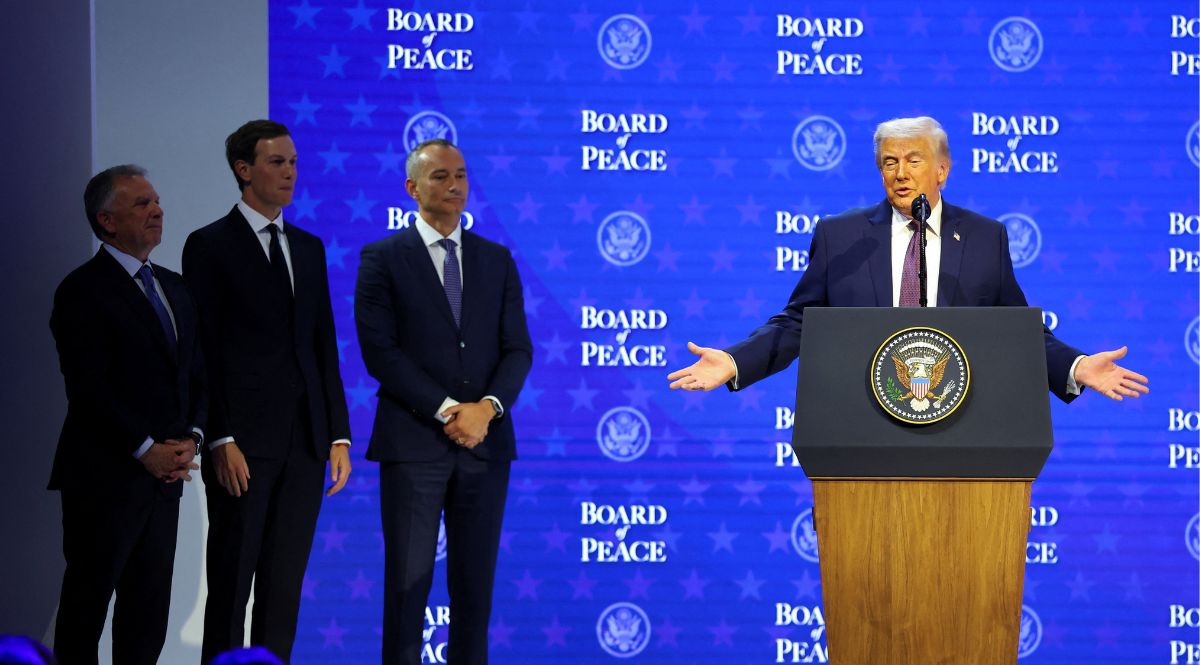
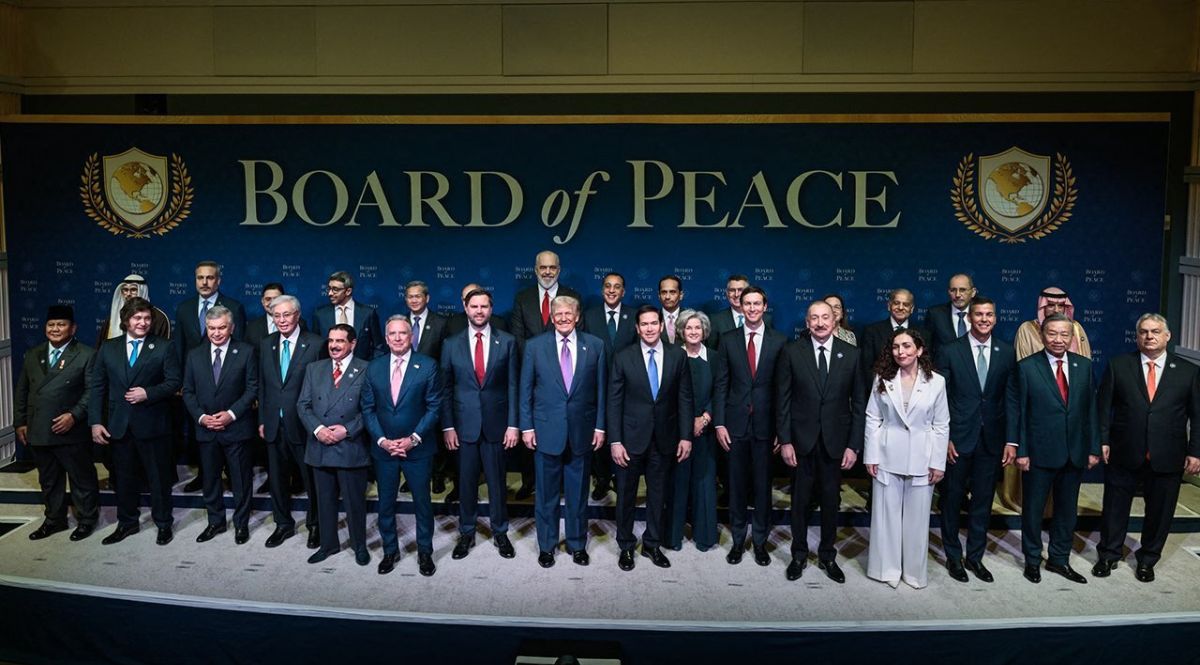
On 19 February, the first meeting of the Board of Peace (BoP) initiated by Donald Trump was held in Washington. During the meeting, there were declarations from some countries that they would send officials and provide financial support to stabilise and rebuild the Gaza Strip. However, President Trump has been less successful in convincing his partners about the Board of Peace as an institution, as evidenced by the relatively small number of state leaders present and the large group of observers who decided not to join the Board.
 AA/ABACA / Abaca Press / Forum
What was the Context for Organising the Board of Peace Meeting?
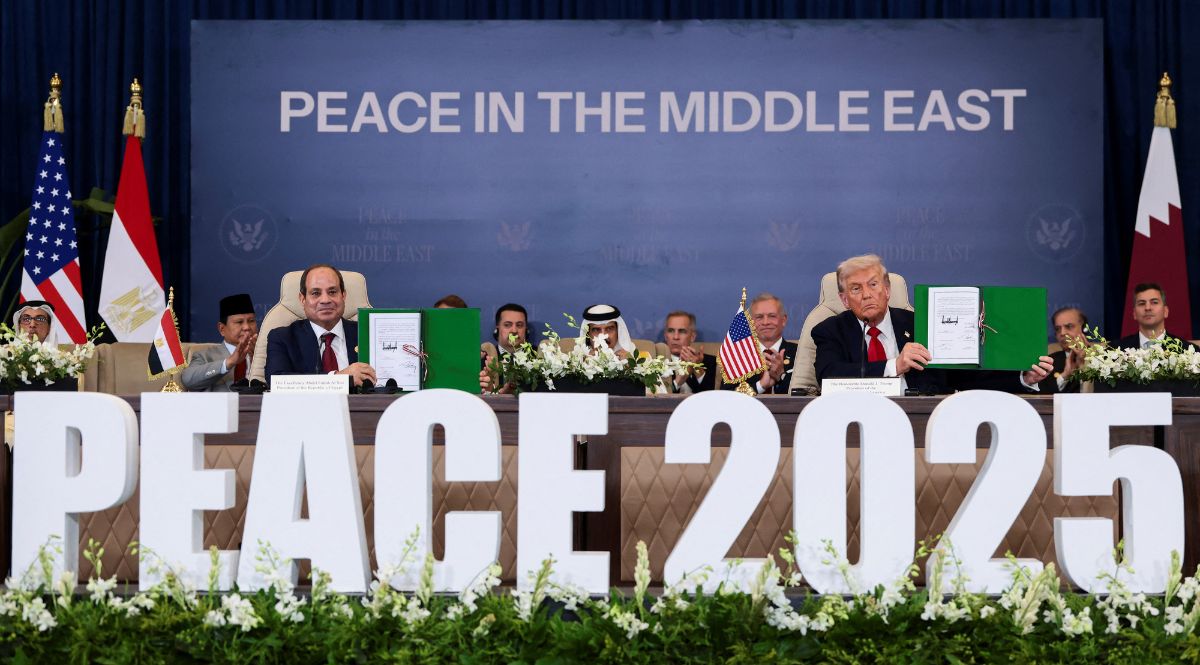
The US administration announced the date of the first meeting on 7 February, shortly after the Board of Peace Charter was signed on 22 January this year. Its rapid organisation is intended to prove that the new format will work efficiently. On the other hand, the relatively late sending of invitations to the meeting may have been a way of addressing the expected reservations of many countries towards the BoP, allowing sceptical leaders to justify their absence with prior commitments rather than openly criticising the Board. Swift action is also important in view of Trump’s criticism of the sluggishness of other international organisations, which the BoP is intended to remedy. The US administration also wanted to prove that Trump’s peace plan for the Gaza Strip is still being implemented, especially in light of Israel’s attacks on the Gaza Strip in early February this year, during which at least 24 people were killed, mainly women and children.
Who Participated in the Meeting and in what Capacity?
The meeting was attended by members of the Gaza Executive Board and representatives of nearly 50 countries, including all BoP members except Belarus. The leaders of Albania, Argentina, Armenia, Azerbaijan, Bahrain, Cambodia, Egypt, Indonesia, Hungary, Kazakhstan, Kosovo, Romania (as an observer), the USA, Uzbekistan and Vietnam participated in the meeting. According to the BoP Charter, heads of state or government of member states should participate in the deliberations, but most countries took advantage of the chair’s permission to send lower-ranking representatives (Israel was one of these, although its prime minister met with Trump the day before the BoP meeting).
The EU and many countries that have not yet joined the BoP (e.g. Cyprus, Czechia, Greece, Poland, Romania) sent observers to the meeting to listen to the proceedings. Their presence was not provided for in the BoP Charter and required Trump’s consent. This can be interpreted as a concession by the US in order to gather the widest possible group at the meeting, but their attendance will be presented by the US as supporting its actions.
What are the Results of the Meeting for the Gaza Strip?
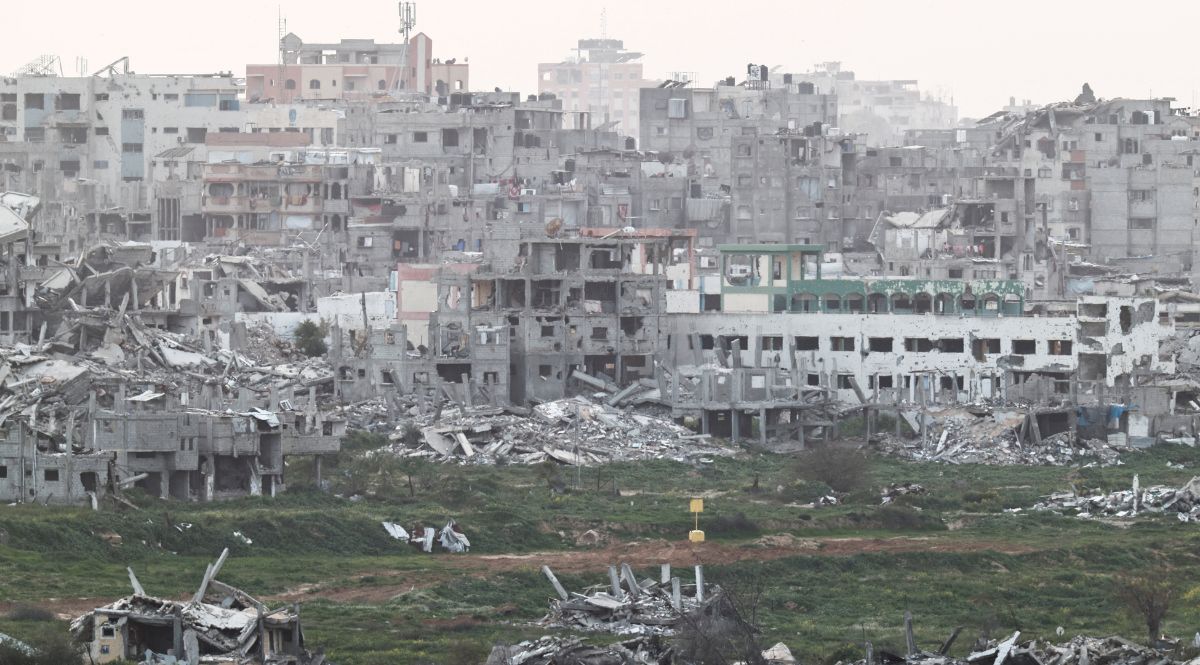
The first BoP meeting focused on the stabilisation and reconstruction of the Gaza Strip. Albania, Indonesia, Kazakhstan, Kosovo and Morocco pledged to contribute to the International Stabilisation Force (ISF), while Egypt and Jordan will train the Palestinian police.
The reconstruction will initially focus on the city of Rafah. Efforts will concentrate on enabling habitation in the Gaza Strip (1 year), permanent construction (after 3 years) and development (approx. 10 years). Azerbaijan, Bahrain, Kazakhstan, Kuwait, Morocco, Qatar, Saudi Arabia, Uzbekistan and the UAE have pledged a total of $7 billion in aid, the US $10 billion, and FIFA, a BoP partner, $2.5 million (in February 2025 EU, UN and The World Bank estimated the cost of reconstruction at approximately $53.2 billion, currently media indicate $70 billion).
Trump also announced an additional fundraising initiative to be hosted by Japan with the participation of, among others, the Philippines, Singapore and South Korea (they have not joined the BoP), as well as the organisation of another BoP meeting by Norway, although it only plans to organise a donor event, and not to join the Board.
What are the Prospects for the Continued Functioning of the Board of Peace?
In order to strengthen its legitimacy and demonstrate its new quality compared to other international organisations, the BoP will have to prove its effectiveness, so as chairman, Trump will probably take further steps regarding the Gaza Strip soon. Any success in this regard may drive the BoP to expand its activities to other regions (as suggested by the BoP Charter), based on the level of trust that countries place in Trump. Stabilisation in Palestine is also expected to bring him closer to winning the Nobel Peace Prize. Any approval of the expansion of the BoP’s activities and the awarding of the prize to Trump will depend on the international community’s assessment of his actions, which, in light of his foreign policy to date, is mixed.
Although the effectiveness of the BoP may convince a few undecided countries to join it, it will not eliminate the risk that the Board of Peace will compete with the UN. Trump has announced close cooperation between the BoP and the UN, but his comments suggest that he treats the UN as a “junior partner,” requiring financial support and motivation to act, which has discouraged many partners from joining the Board.