
Germany Adopts Groundbreaking Financial Package
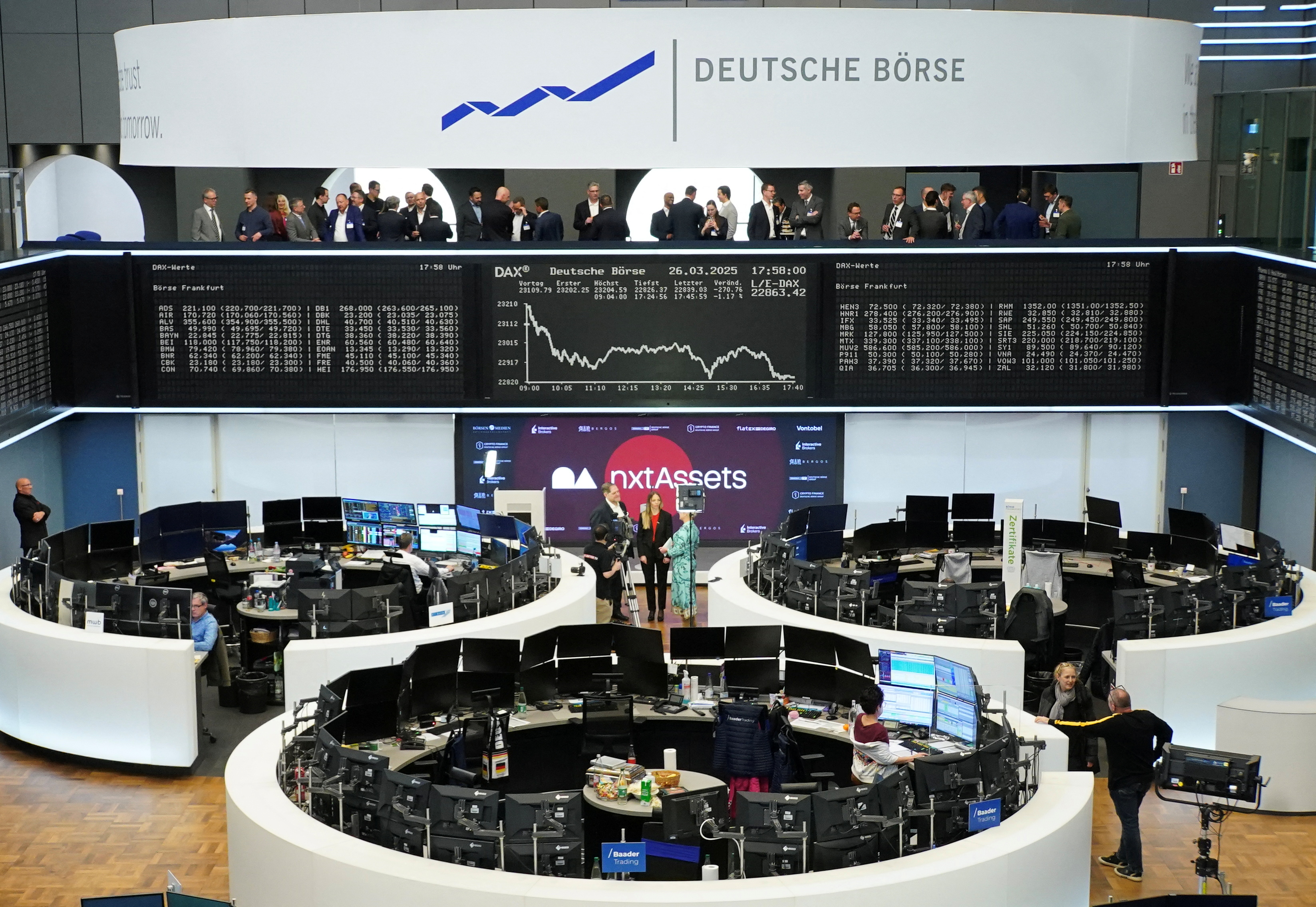
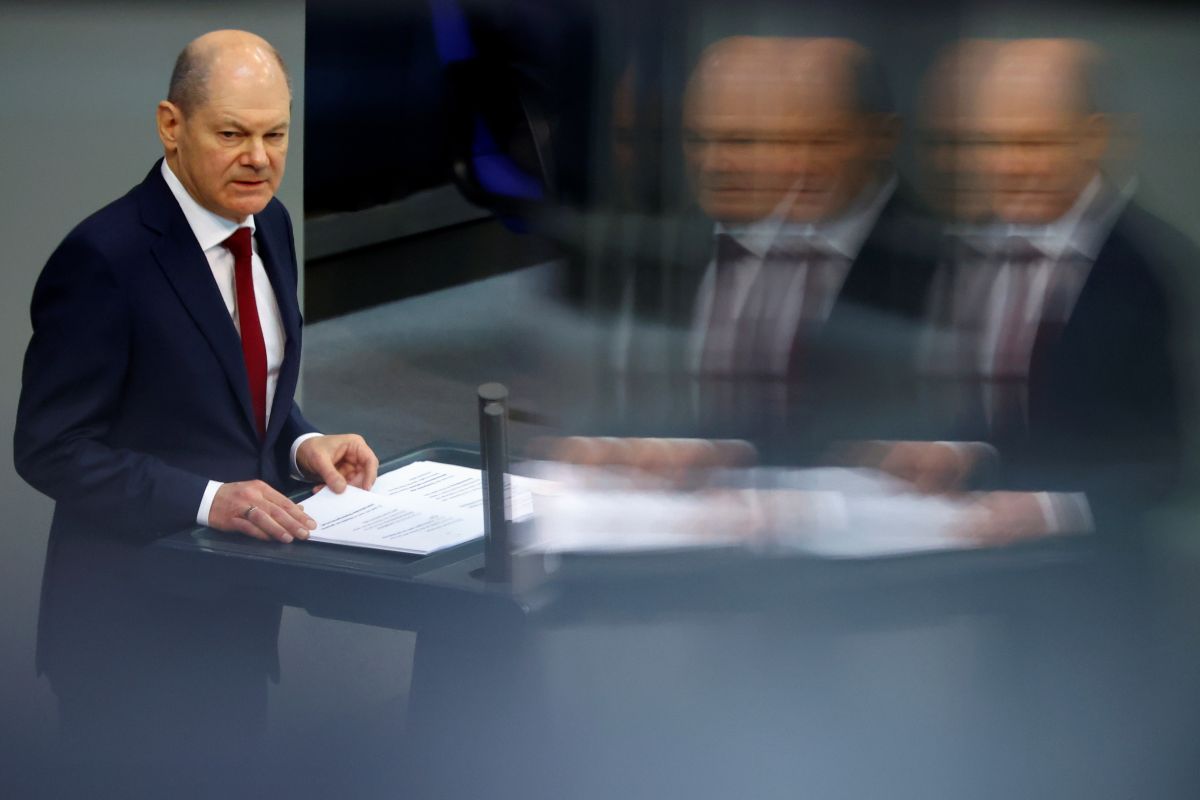
Germany’s government, established in May this year, has a new financial package at its disposal. It was approved in March by the Bundestag of the passing term by amending the Basic Law with votes of the new coalition: The Christian Democratic Union (CDU) with the Christian Social Union (CSU) and the Social Democratic Party of Germany (SPD), with the support of the Greens. Part of the compromise that made the package possible is a special fund advocated by the Social Democrats with a budget of €500 billion to strengthen investment in infrastructure and climate protection. The exception to counting military spending above 1% of GDP as part of the deficit is intended to enable the modernisation of the Bundeswehr. This fits in with the European Commission’s (EC) decisions to exempt defence spending from the excessive deficit procedure and will help strengthen the European part of NATO, which is in Poland’s interest.
 Staff / Reuters / Forum
Radical Shift in Priorities
The adoption of the financial package marks Germany’s shift from restrictive austerity to investment by weakening the debt brake rule introduced under Angela Merkel’s government. It limited the maximum annual budget deficit to 0.35% of GDP, allowing public debt to remain low—at 62% of GDP in Germany in 2024, compared to a eurozone average of 88% and 113% in France. Among other things, this approach to debt resulted in a lower level of public investment in Germany in 2023 (2.6% of GDP) than the eurozone average (3.1%) or in France (3.8%). Meanwhile, the rule as revised will only apply to defence spending up to 1% of GDP, and the special fund for investment will not be covered by it. Given Germany’s strong debt-buying capacity, these changes allow armed forces spending to rise well above the 2% of GDP level implied by current NATO commitments. They also open up new opportunities for the Länder, which will be able to borrow for investment. The financing package will thus enable procurement of new equipment for the Bundeswehr and infrastructure investments at the federal and state levels.
The Need for Investment
The changes are a response to Germany’s lagging investment and modernisation efforts. According to a January report by the Institute for the German Economy, the necessary federal investments in roads, railroads, education, housing, and the digitisation and decarbonisation of the economy require an outlay of €595 billion over 10 years. Funds from a special fund, combined with annual expenditures from the state budget, are expected to make it possible to cover this demand. They will be used only for new investments, while all projects in the pipeline are to be financed from the state budget.
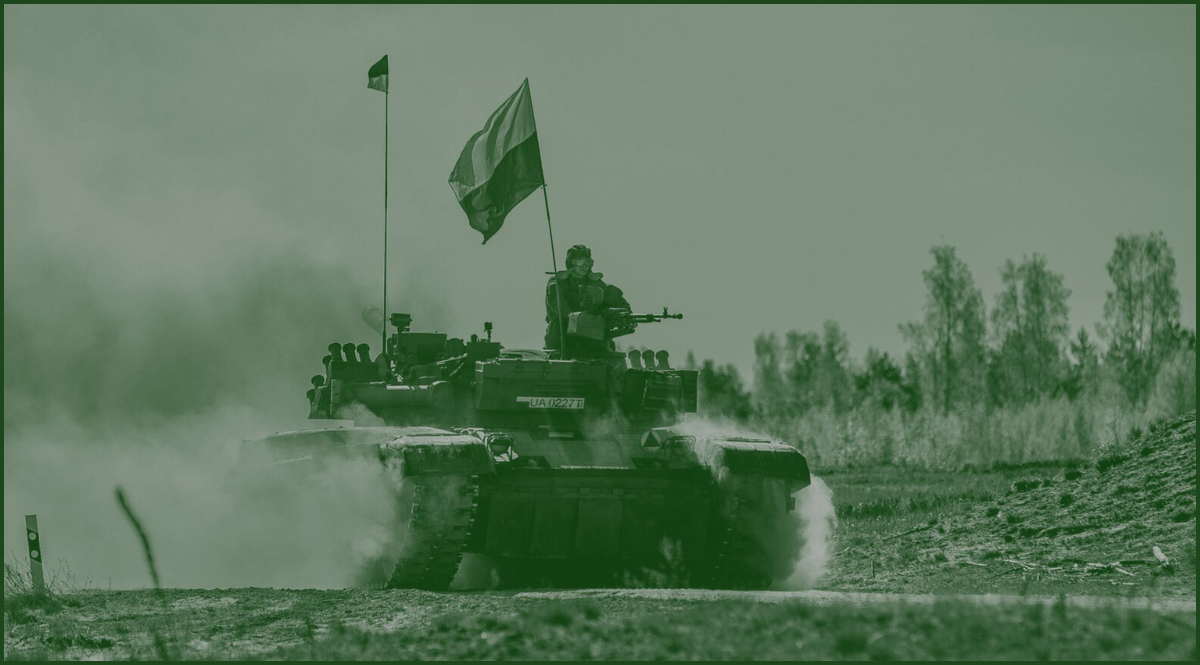
The change in the brake rule is intended to enable a significant increase in defence funding and long-term stable financing for the Bundeswehr. It needs major investments in the face of years of neglect and austerity. Changes introduced after the Russian full-scale invasion of Ukraine brought an increase in outlays from 1.5% in 2022 to 2.1% of GDP in 2024, including spending from a special fund created by the Olaf Scholz government, which will run out in 2027. Despite this, the German armed forces still have many gaps in key military capabilities, such as air and missile defence, logistical support, reconnaissance, longer-range missile systems, and armoured units. The relative weakness of the Bundeswehr is evidenced, for example, by the difficult process of increasing the German military presence in Lithuania to brigade level. In 2023, the Bundestag’s plenipotentiary for the armed forces estimated their needs at a further €300 billion.
International Dimensions
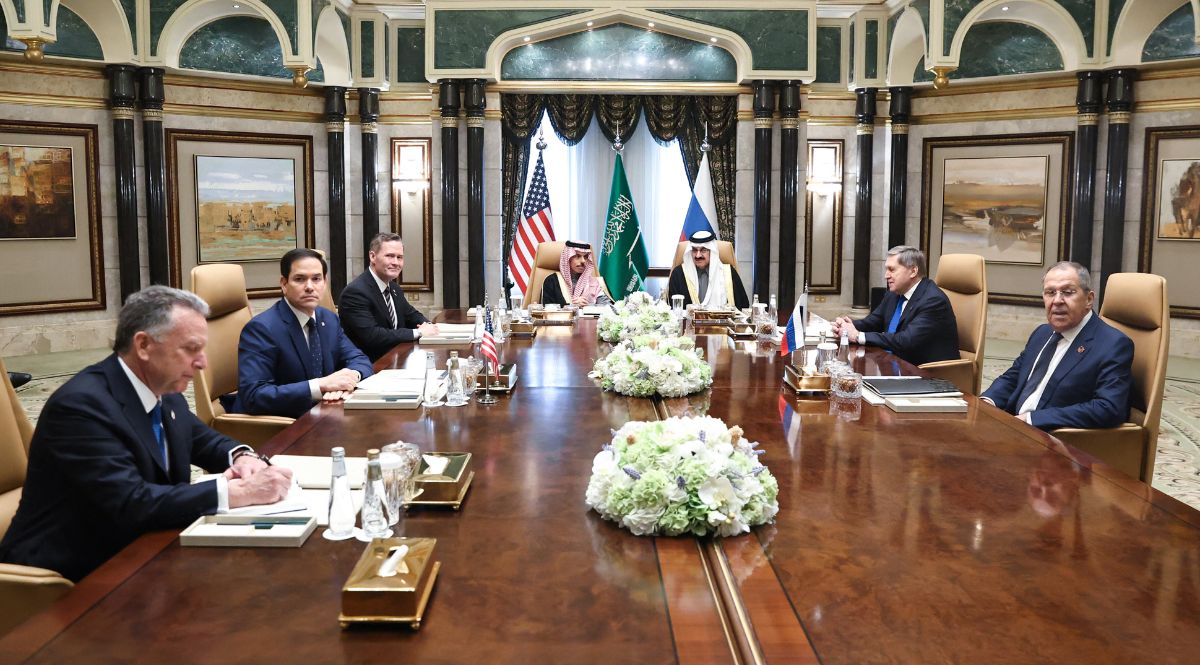
The main reason for the introduction of solutions to increase defence spending is Germany’s response to changes in its security environment. Its foundation was strong transatlantic relations, both bilaterally and within NATO. These have been undermined recently by U.S. actions, in particular speeches critical of the EU by Vice President J.D. Vance, including in Munich, the manner in which the U.S.-Russian negotiations on ending the war in Ukraine have been conducted, and the demand by the U.S. for a sharp increase in defence spending by European Alliance states.
In the short term, the changes in Germany are intended to shore up its transatlantic ties and U.S. commitment to NATO as a primary tool for deterring Russia. They also fit in with the European Commission’s efforts to expand European defence capabilities by having EU Member States take more responsibility for their own security.
Domestic Context
After winning the parliamentary elections, the goal of CDU leader and new Chancellor Friedrich Merz was to form a government coalition with the SPD as soon as possible. In order to gain its support for increased arms spending, he decided to combine changes to the defence debt brake with the creation of a special fund for infrastructure investment. These decisions contradicted Merz’s campaign pledges to maintain the brake and save public funds, but were in line with the SPD’s electoral demands.
The adopted package will increase the new government’s capacity in the long term, but in the short term it weakens its popularity. In a Politbarometer poll for ZDF in late March this year. 73% of those surveyed thought Merz had deceived voters on the debt issue. Merz’s assessment of the new government may also be affected by the fact that the changes were passed by the Bundestag of the passing legislature in an extraordinary session, since in the chamber formed after the elections the CDU/CSU and SPD would have needed not only the votes of the Greens, but also negotiations with Alternative for Germany (AfD) or Die Linke. Meanwhile, even winning the votes of the SPD and the Greens required a series of concessions by the CDU, which agreed to an infrastructure fund five times larger than originally planned and to allocate €100 billion of it for climate protection. The AfD, which accuses Merz of abandoning conservative demands, is benefiting from these changes in assumptions, and this is translating into support: in an April IPSOS poll it had the most popular for the first time, overtaking the Christian Democrats (25 to 24%).
The short-term political impact of the package’s adoption translated into the course of talks over the coalition agreement. In an effort to stem the CDU’s decline in support for the AfD, Merz negotiated the SPD’s agreement in the document to sharply tighten migration policy, including possibly turning back migrants at the border, even at the cost of tensions with neighbouring states. In contrast, the SPD’s key concession to the CDU is its agreement to austerity in the social benefits system and a gradual tax cut for businesses. Although these reforms, combined with additional investment funds, are intended to improve the economy, the content of the financial package and, the shape of the coalition agreement have caused dissatisfaction among some coalition members, who, in an anonymous vote in the Bundestag, initially did not support Merz’s election as Chancellor.
An oversized and inefficient civilian and military bureaucracy may prove to be a factor hindering the efficient disbursement of additional funds. This is because already complicated procedures and shortcomings at the planning stage of investments hinder their smooth implementation. A prime example is the “Stuttgart 21” project, the ongoing modernisation of the railroad junction in that city since 2010. Meanwhile, the Bundeswehr’s problem, in addition to equipment and infrastructure deficits, is a shortage of personnel—some 20,000 posts remain unfilled.
Conclusions and Perspectives
Germany’s adoption of a financial package in response to the changing international situation and the need to increase public investment could give a boost to the struggling economy and strengthen the German armed forces. However, the need to reduce bureaucracy remains a significant challenge. If the solution were to be downsizing public administration, expect resistance from trade unions and a possible drop in support for the government and a halt to some of the reforms.
Germany, by increasing its defence spending, aspires to assume a key role—in view of the expected reduction of U.S. involvement in Europe—in the long-term process of the EU taking responsibility for its own security. The ongoing rivalry with France in this regard is evidenced, among other things, by President Emmanuel Macron’s discussion of nuclear deterrence in Europe in response to Merz’s take on the subject.
The increase in German defence spending meets with Poland’s interests in the short term, as it can strengthen the European pillar of NATO. In turn, the new infrastructure fund represents an opportunity to improve cross-border connections between Poland and Germany, serving trade and people-to-people contacts, but also the redeployment of troops in crisis situations. Chancellor Merz confirmed his intention to cooperate in this regard in Warsaw the day after his election as Chancellor. In the long term, however, an economically and militarily strengthened Germany may focus on bilateral relations with its strongest partners, marginalising Poland in the process.


(1).png)
(2).png)
.jpg)