
First Tripartite Government Inaugurated in Austria
On 3 March, Austria’s first ever three-party government was sworn in. It is made up of the conservative Austrian People’s Party (ÖVP), the Social Democratic Party of Austria (SPÖ), and the New Austria and Liberal Forum (NEOS). The appointment of the cabinet of Chancellor Christian Stocker ends the tedious, record-breaking 155-day process of seeking a parliamentary majority to form a government.
(1).jpg) Lisa Leutner / Reuters / Forum
Lisa Leutner / Reuters / Forum
Why did it take so long to form a government?
The distribution of forces in the National Council after the September elections made it difficult to form a government with a stable majority. For the first time, the far-right Freedom Party of Austria (FPÖ) won the most seats. However, due to the unwillingness of other parties to enter into coalition talks with the FPÖ, President Alexander van der Bellen entrusted the Christian Democratic leader Karl Nehammer with the mission of forming a government. The ÖVP’s negotiations with the SPÖ and NEOS failed due to personnel and programmatic (mainly fiscal) disputes. In the face of failure in January this year, the task of forming a government was given to the leader of the victorious FPÖ, Herbert Kickl. His negotiations with the ÖVP broke down over the distribution of portfolios, as the ÖVP did not agree to the FPÖ taking over the Ministry of the Interior. Meanwhile, the possibility of early parliamentary elections and the increasingly strong ratings of the far-right, which increased from 28.8% in the elections to 35% in polling in February, mobilised the leaders of the Christian Democrats, Social Democrats, and Liberals to resume talks. Thanks to agreement on most of the programmatic issues in the first round of negotiations, their second round ended with the swift appointment of a government.
Who is the new Chancellor of Austria?
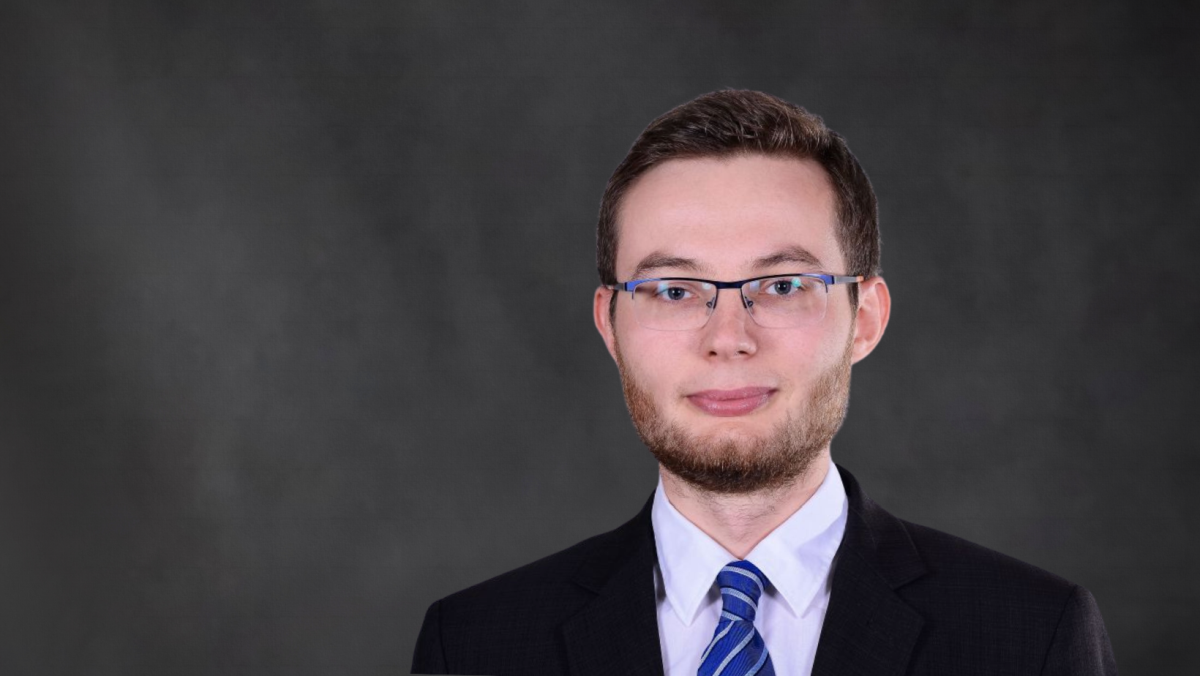
The position of head of government is the first government role for Stocker, who is a lawyer by education. He became a member of parliament in 2019, having previously held local government positions in Wiener Neustadt. Stocker became Chancellor as a result of personnel changes in the ÖVP leadership. As the party’s secretary-general, he replaced Nehammer as party chairman after the failure of the coalition talks in January of this year. He then led the party’s delegation in talks with the FPÖ and, after these failed, with the SPÖ and NEOS. Stocker especially advocates restrictive migration policy and better integration of immigrants into Austrian society.
What are the new cabinet’s goals?
The Christian-Social Democratic–Liberal government announced that it will focus on migration and security policy. It also emphasised the need to combat irregular migration and to suspend family reunification for asylum seekers. Although Austria is not in NATO, whose members have committed to spend 2% of GDP on defence, Stocker has declared that this target will be achieved in the coming years (i.e., spending will be doubled). This would mean even greater difficulties in the announced reduction of the budget deficit, further complicated by the recession that has been ongoing in Austria for two years. Another challenge for the Chancellor will be how to effectively govern by reconciling the positions of the three parties, which have different profiles, especially on economic issues. Therefore, the cooperation between the Ministry of Finance (which went to the SPÖ) and the other ministries will be particularly important for the government’s actions.
What does the three-party coalition government mean for eastern policy?
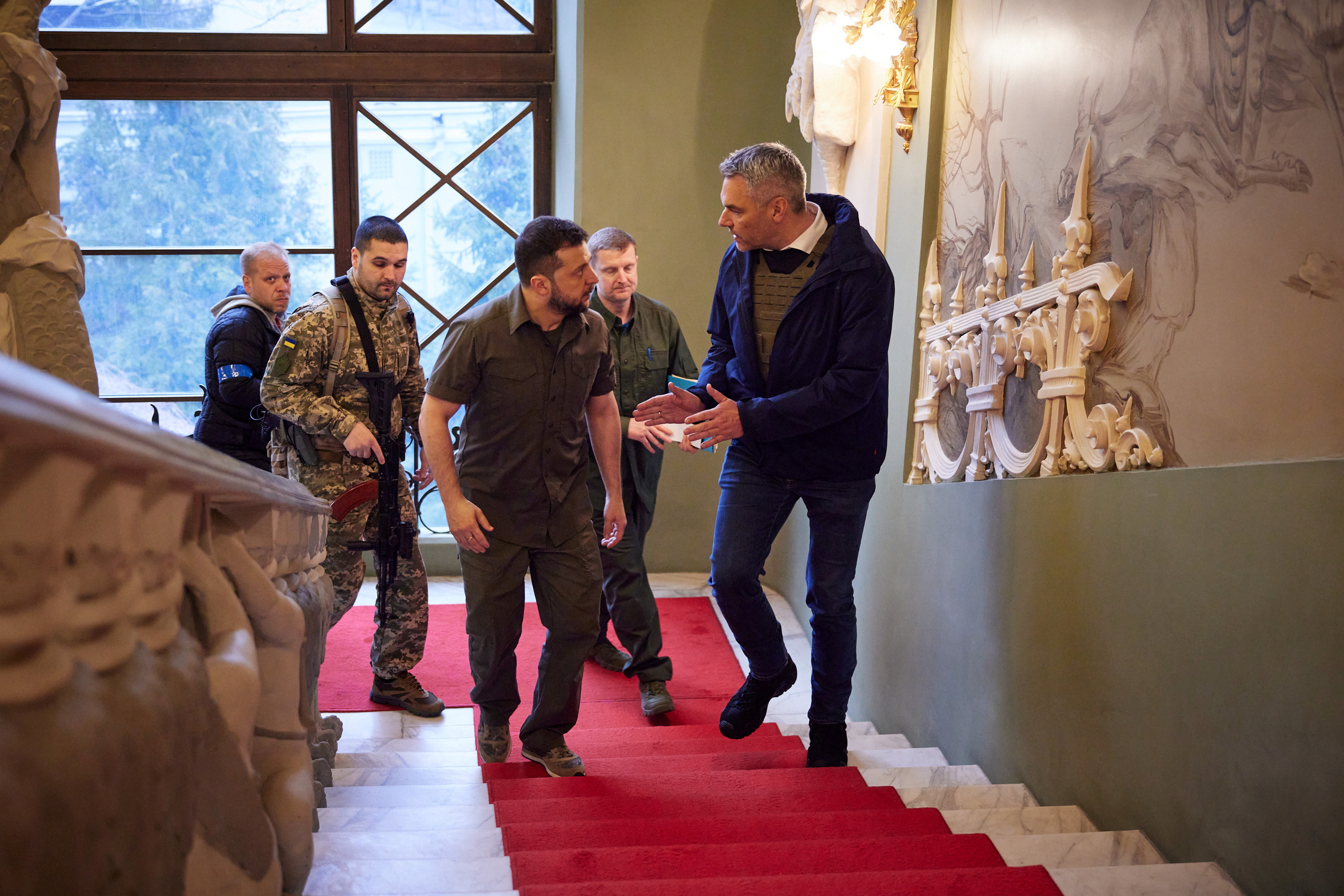
The failure of the FPÖ, the most pro-Russian party in the Austrian parliament, to form a government has put Austria’s relations with Russia on hold. The appointment of NEOS Chairwoman Beate Meinl-Reisinger as foreign minister means that efforts to support Ukraine will be stepped up. The party links the situation in Ukraine to Austria’s security and is the most committed to helping the EU’s neighbour among the parties represented in parliament. The inexperience of Chancellor Stocker in international affairs may further strengthen the influence of Meinl-Reisinger on foreign policy. Due to Austria’s status of neutrality, it will continue to focus on the humanitarian dimension of aid. The new government has declared continued support for Ukraine’s accession to the EU (as well as that of Moldova and Georgia) and the creation of the post of coordinator for the country’s post-war reconstruction. It advocates efforts for a “lasting and fair” peace, excluding negotiations that do not include Ukraine.
How will the other foreign policy elements likely develop?
The three-party coalition largely means a continuation of foreign policy. The new government emphasises the importance of the EU in strengthening national security. Therefore, Austria’s further involvement in structural defence cooperation (PESCO), in the European Instrument for Peace, as well as in activities for strategic autonomy should be expected. In the context of security, it also is likely to maintain close relations with Israel, as well as continued involvement in the Berlin Process and the work of the “Friends of the Western Balkans” group (which Austria initiated in 2023 to support the accession efforts of the countries in the region). Stocker’s cabinet emphasises the importance of transatlantic relations, especially their economic dimension. Therefore, it is critical of the Donald Trump administration’s announcements regarding tariffs on EU goods. The government’s programme for 2025-2029 takes into account the continuation of consultations within regional formats: the Central Five, the Sławków Triangle, and German-speaking countries. Austria will emphasise, as is tradition, the role of organisations based in Vienna, in particular the OSCE and the UN. It will seek to apply for a seat on the UN Security Council for the period 2027-2028, among other initiatives.

(1).png)