EU Retreats from Russian Nuclear Energy
The Russian nuclear energy sector continues to develop after Russia’s invasion of Ukraine. Exports of nuclear technology bring direct revenues to the state corporation Rosatom, which actively supports the war. That is why a group of EU countries (including Poland) proposed to put sanctions on the Russian nuclear energy sector. Efforts to phase out nuclear fuel from Russia in the EU are also progressing. Providing alternative sources of uranium enrichment and fuel production capacity is possible, but will be time consuming and costly.
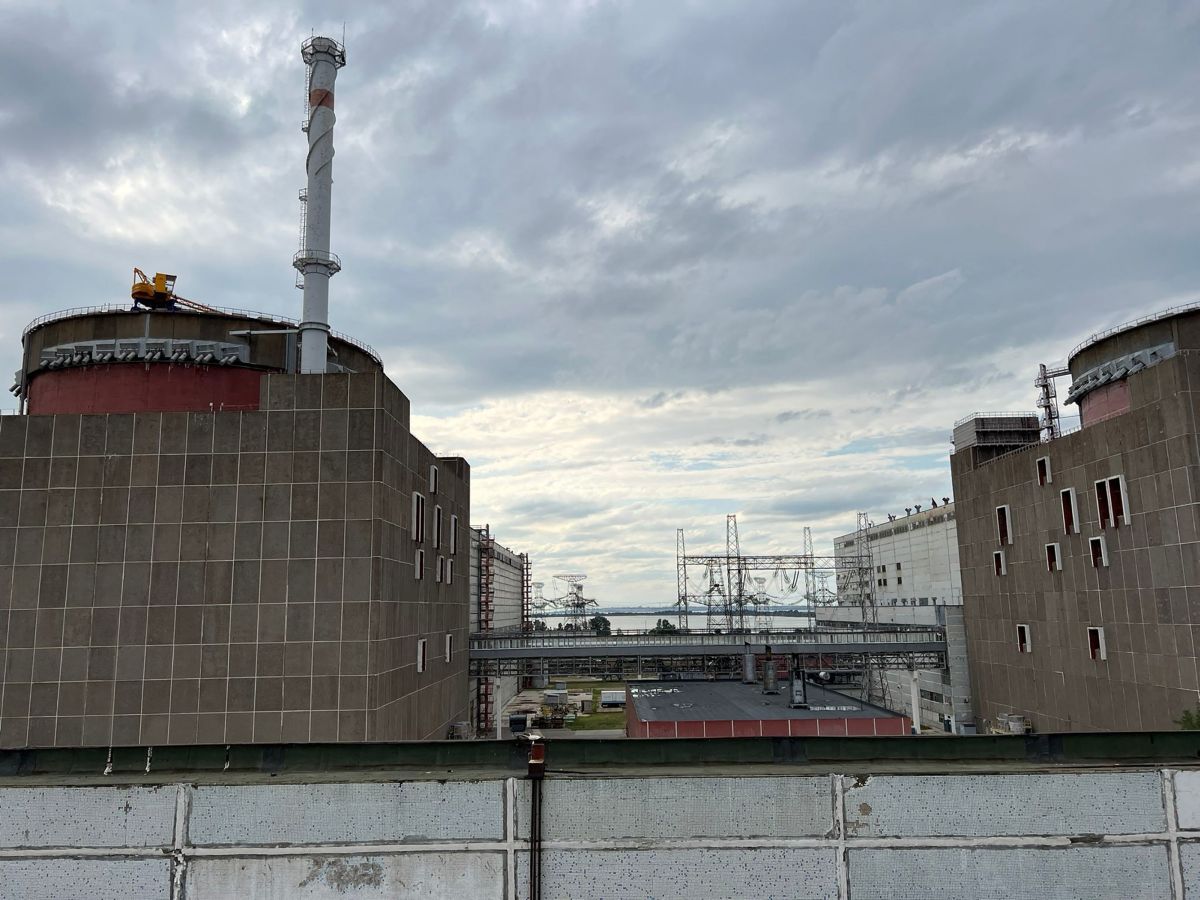
.jpg) RADOVAN STOKLASA / Reuters / Forum
RADOVAN STOKLASA / Reuters / Forum
In 2021, nuclear energy generated around 25% of all electricity across the EU, with a higher share in several countries, such as France at 69%, Slovakia at 53%, Hungary at 45%, and Bulgaria at 35%. Rosatom—a Russian state-owned nuclear company and a world leader in the nuclear technology sector—had, together with its subsidiaries, an established position on the European nuclear energy market. In 2021, it supplied the EU with about 20% of the uranium it used (third after Niger at 24.3% and Kazakhstan at 23%), as well as about 25% of the contracted conversion services and 33% of the enrichment services. In early 2022, the EU’s Euratom Supply Agency (ESA) pointed to the short- and medium-term risk of dependence on nuclear fuel from Russia for Soviet VVER reactors used in former Eastern Bloc countries. This dependence was greatest in Central and Eastern Europe and in Finland where 18 nuclear reactors—two in Bulgaria, six in Czechia, four in Hungary, and four in Slovakia, as well as two in Finland—together produce about 11% of the EU’s gross nuclear capacity and relied on Russian technologies and services, including fuel supplies.
Current Status
The invasion of Ukraine disrupted the global system of supply of all energy sources from Russia, including nuclear services, such as fuel logistics by air. According to ESA data for 2022, Rosatom nevertheless managed to increase revenues from its European market mainly by accelerating deliveries to mitigate the short-term risk for recipients related to the war. In 2022, imports of Russian nuclear industry products to the EU amounted to around €750 million. As in the case of other energy resources, dependence on the Russian supplier and reports that Rosatom also supplies arms manufacturers with technology and materials (e.g., rocket fuel base materials and components for lithium-ion batteries to power tanks and for missile-defence systems) for Russian front line forces (including sanctioned arms companies), prompted many EU countries to accelerate diversification. In the REpowerEU plan, the European Commission (EC) emphasised the importance of coordinated actions to reduce dependence on Russian nuclear materials and fuel-cycle services.
Finnish companies took the first steps. In May 2022, Fennovoima terminated its contract with Rosatom for the construction of the Hanhikivi 1 nuclear power plant (NPP), citing delays and increased risks related to the war in Ukraine. In addition, in November 2022, Fortum started cooperation with the American Westinghouse to design, obtain a license, and supply fuel for the plant in Loviisa after the expiry of contracts with TVEL (a subsidiary of Rosatom) in 2027. In turn, the Czech company CEZ announced that by 2024, imports of Russian nuclear fuel to the Temelin power plant will cease, replacing them with fuel subassemblies from Westinghouse and French Framatome. In December 2022, Bulgaria signed a 10-year contract with Westinghouse for the supply of fuel assemblies for the VVER reactors at the Kozloduy NPP from 2025. Slovakia is also currently negotiating with Western companies. However, the third unit in the Soviet Mochovce reactor (commissioned in February this year) is to be supplied with fuel from Russia until at least 2026.
Non-EU countries also are diversifying or limiting the influence of the Russian nuclear sector. Already in 2014, Westinghouse began to supply Ukraine with nuclear fuel, according to industry reports, and in April 2022 it supplied six reactors. In June 2022, Ukraine signed a contract with the U.S.-based company for the supply of all fuel for the Ukrainian nuclear industry (15 reactors). Work is also underway to expand the existing reactors based on American components. On the anniversary of the Russian invasion, Britain sanctioned the senior management of Rosatom because of its ties to the Russian military complex and role in overseeing the occupied Zaporizhzhia NPP in Ukraine.
Challenges and threats
Although Rosatom accounts for only 6% of the world’s uranium production—the leader is Kazakhstan with around 40%, the Russian company controls over 40% of the uranium processing and enrichment market. Russia, Kazakhstan, and Uzbekistan combined supply about half of the total U.S. uranium demand, with some Kazakh raw material also processed by Rosatom. The company also has a strong position in other markets. Russian reactors operate in China, India, and Iran, as well as in Armenia and Belarus. According to the International Energy Agency, the construction of the first Turkish nuclear power plant with a Russian design has begun, and Rosatom has signed letters of intent with 13 countries regarding the construction of the NPP.
Replacing Russian uranium enrichment and conversion services is possible, but will be time-consuming, costly, and technically challenging. It will be necessary for Western companies to offer additional capacity, which will probably increase the price of nuclear fuel (although a small part of the cost of operating nuclear reactors). It also will be necessary to convince alternative suppliers of nuclear technologies and services (e.g., in conversion, primarily French Orano and Canadian Cameco; in enrichment, firms including Dutch-British-German Uranco) that the funds they invest in developing their business activities will not be wasted if in a few years the restrictions on Russian supplies would be lifted.
According to industry reports, deliveries of fuel for VVER reactors produced as part of cooperation between Westinghouse and the Spanish company Enusa may be ready by 2024. As indicated by ESA, apart from the challenges related to fuel production (e.g., adapting and expanding Western production lines), it is also important to ensure prompt licensing of new fuels by national regulators (which usually takes several years).
France, Japan, Canada, the U.S., and the UK reached an agreement during the G7 ministerial meeting in April this year in Sapporo, Japan, to limit Russian influence in nuclear energy. Its goal is to reduce dependence on Russia in the nuclear fuel supply chain in the long term and to increase the availability of commercial alternatives in the nuclear technology market.
Even though the Baltics, Nordics, and Poland are demanding sanctions against the Russian nuclear energy sector, the EU has been able to implement them yet, as some countries remain sceptical of action due to, for example, joint research projects between the French EDF and Rosatom. France declares that this cooperation is important for nuclear safety. On the other hand, Hungary expressed opposition to the sanctions, as it continues to cooperate closely with Rosatom on the expansion of the Paks II NPP (a permit for the construction of two new reactors was issued in August 2022). The value of exports of Russian nuclear fuel to Hungary from March to December 2022 significantly exceeded those of the last three years.
Conclusions and Recommendations
The war in Ukraine undermined Rosatom’s position in most European countries using Russian fuel or nuclear technologies, and probably permanently damaged its reputation as a “reliable supplier” (including delays in the schedule of works at Hanhikivi in Finland and Mochovce in Slovakia and support for the war). However, Rosatom’s global position remains strong. The key to limiting its role will be supporting a permanent departure from Russian fuel and nuclear technologies towards alternative suppliers. This will largely depend on new investments by Western companies.
EU countries should take into account that diversification will be costly, time-consuming, and require political commitment. At the same time, the effectiveness of the combined European and American efforts to move away from Russian nuclear services will be limited as China, and to a lesser extent Turkey, will remain important Rosatom customers. From this perspective, it will be important for the EU to strengthen its diplomatic engagement in the countries of Central Asia (especially Kazakhstan and Uzbekistan) and Africa (Namibia and Niger), which are important producers of uranium. It is worth exploring the possibilities of cooperation and persuading them to adopt an assertive approach to cooperation with Russia and Rosatom.
The imposition of sanctions on Rosatom and its subsidiaries by the EU would make it difficult for the companies to, among other things, access loans and insurance. In light of reports about ties to the Russian arms industry, sanctions on the nuclear industry would undermine Russia’s military potential, further increasing pressure on its economy. For Poland, it is advisable to maintain support for sanctions and political pressure on EU countries that oppose them or abstain in voting. The Polish nuclear energy programme also is an opportunity to expand and strengthen regional nuclear fuel supply chains based on alternatives to Russia.

.png)