Belarus applies increased migration pressure on Latvia
Since the beginning of July, Latvia has recorded a significant increase in the number of illegal attempts to cross the border from Belarus. This marks a continuation of Belarus’s utilisation of migration for hybrid activities, despite similar pressure on Poland and Lithuania being reduced.
 INTS KALNINS / Reuters / Forum
What hybrid operations is Belarus carrying out against Latvia?
Belarus has been using migration as a tool for hybrid operations against Poland, Lithuania and Latvia since 2021. The aim is to cause chaos on the eastern flank of NATO and the EU, as well as to test the allies’ response and unity. Recently, Belarus has shifted the burden of migratory pressure to target Latvia, which by 21 July this year had recorded 8,413 attempts to cross the border illegally (compared with 12,046 in 2025). The migrants come mainly from countries in the Middle East and sub-Saharan Africa. This increased pressure coincides with the election campaign in Latvia, where the issue of migration appears to be one of the main topics. During the same period, there were over 260 such illegal crossing attempts at the Polish-Belarusian border, and over 950 at the Lithuanian-Belarusian border. Belarus is also attempting to trigger a dispute between Latvia and Lithuania by highlighting the inability of the Latvian authorities to secure the country’s territory, and is also reporting on Latvia’s border security problems in its Polish-language media.
How does Latvia aim to secure its borders, and what challenges does this entail?
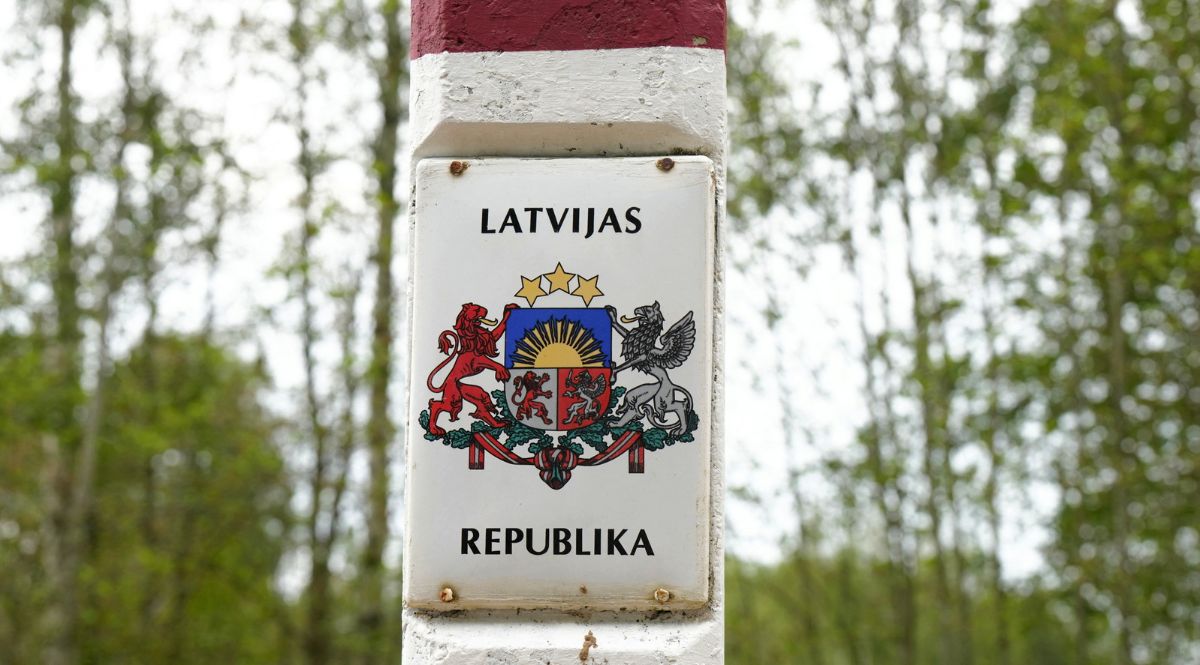
The Belarus-Latvia border is the shortest section of the EU’s border with Belarus, covering only 173 km (compared with 418 km with Poland and 679 km with Lithuania). Latvia has not yet completed the fence along this border – the physical barrier itself was finished in July 2024, but the rest of the supporting infrastructure, including monitoring systems and sensors, is not due to be completed until the end of this year at the earliest. This section is also difficult to secure due to extensive wetlands and dense forests, and it runs along the Daugava River for 16.6 km, a route also used for smuggling contraband. At the same time, the Latvian State Border Guard (VSR) is facing staffing problems and underfunding. From the start of Belarusian hybrid operations in 2021, which involved the use of migrants, the VSR has been supported by the army and the police; however, the Ministry of Defence objects to the army being permanently involved in border protection missions, citing staff shortages and the need to maintain combat readiness, though it does not rule out deploying some conscripts for tasks such as this.
How are the other Baltic states responding to the situation in Latvia?
In response to Belarus’s hybrid operations, the Baltic states are endeavouring to coordinate their actions. Lithuania has been sending border guards to Latvia since 2024 – in July this year, it dispatched a team of nine officers in response to the crisis. At the same time, it is also facing an increase in the number of migrants crossing over from Latvia. According to the Lithuanian Ministry of the Interior, 1,288 migrants were detained in the first six months of this year—a figure more than four times higher than in the same period of 2025 (319). Furthermore, Lithuania is facing difficulties with the return of those detained to Latvia, due to overcrowding at the asylum centre in Mucenieki. Consequently, the new head of the Lithuanian Ministry of the Interior, Martynas Katelynas, has not ruled out the possibility of introducing temporary border controls on the Lithuanian-Latvian border if Latvia fails to tighten its border security. He also rejected Latvia’s request to deploy an additional 100 Lithuanian border guards to the Latvian-Belarusian border, although Lithuania is considering the possibility of sending another, smaller group of officers. Since 2021, both countries have also received support from Estonia, which does not share a border with Belarus but is currently also deploying specialised teams of border guards to Latvia. Thus far, the Latvian authorities appear to be relying primarily on regional cooperation and have not officially requested support from the EU or NATO, although Frontex has been providing operational and technical support to Latvia since the crisis began in 2021.
How might the situation on the Latvian-Belarusian border affect Poland’s security?
The situation on the Latvian-Belarusian border indicates that Belarus has not ceased aggressive actions against the countries on NATO’s and the EU’s eastern flank. At the same time, the reduction in migratory pressure on Lithuania and Poland may be linked to Belarus’s efforts to unblock the transit of potash fertilisers via the port of Klaipėda or Polish ports, alongside a possible improvement in relations with these countries. However, should these efforts prove fruitless, Belarus may resume applying migratory pressure on Poland and Lithuania, particularly if the EU sanctions targeting the Belarusian regime are extended in February next year. The current situation may also lead to an increase in the number of foreign nationals attempting to cross the Polish-Lithuanian border, and may necessitate imposing temporary border controls there, as well as giving consideration to a proposal to provide Latvia with support in the form of deployment of a Polish Border Guard unit.