
Zelensky Visits Türkiye
On 8 March, Ukrainian President Volodymyr Zelensky paid his second visit to Türkiye since the beginning of the Russian full-scale invasion. Türkiye’s policy of balancing with respect to the war may facilitate a grain corridor from Ukraine and negotiations between Russia and Ukraine on prisoner exchanges. In the long term, Türkiye’s involvement may facilitate the start of talks on ending the war.
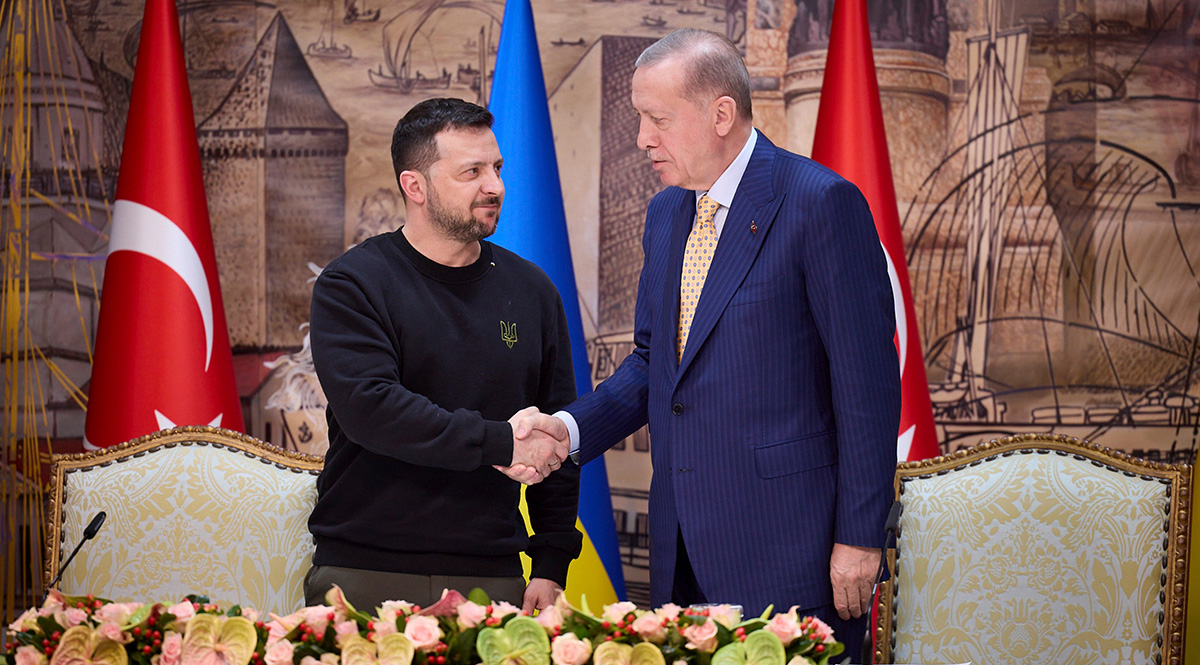 Ukraine Presidency/Ukrainian Pre / Zuma Press / Forum
What was the context and conduct of the president’s visit?
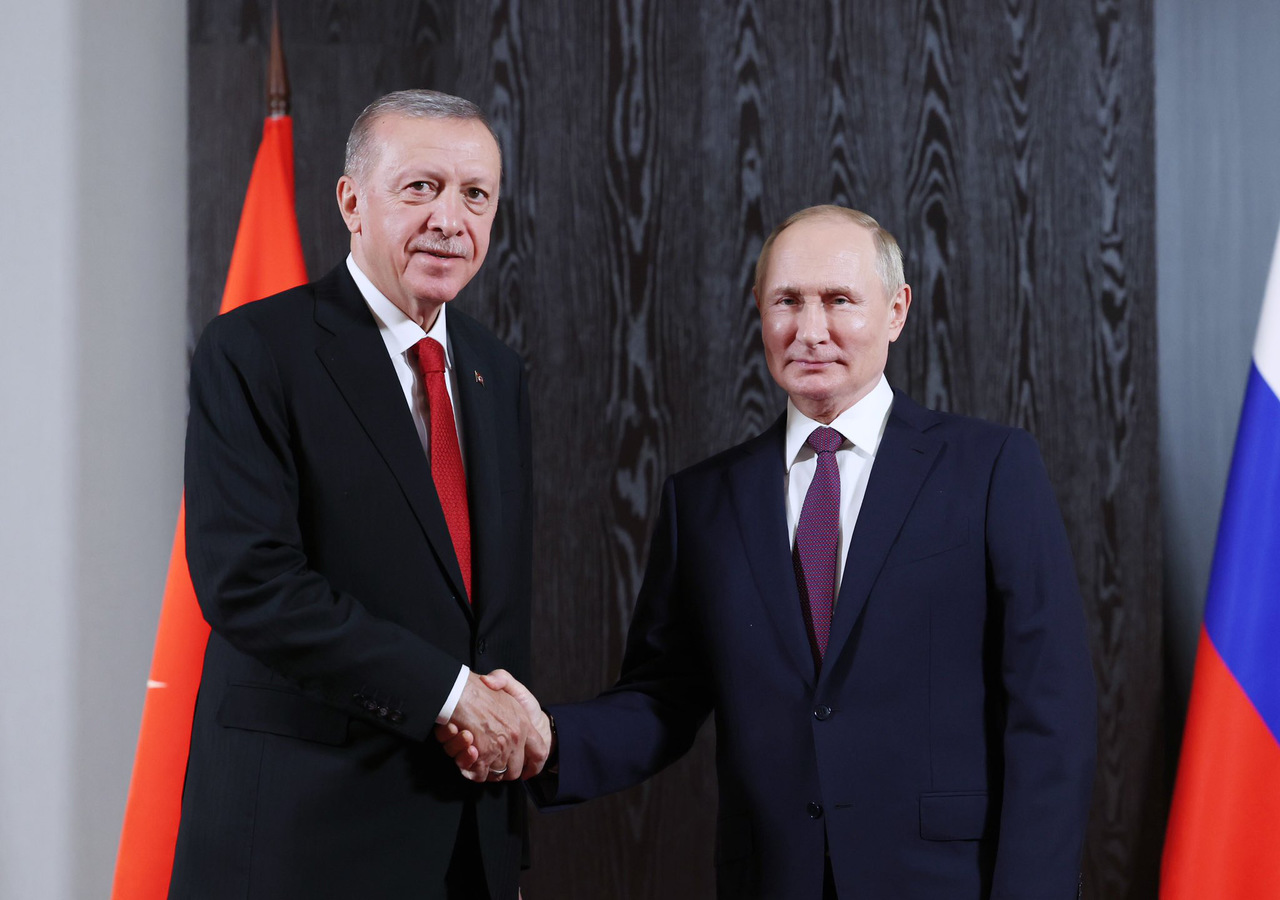
The visit took place more than a month after Turkish President Recep Tayyip Erdoğan’s telephone conversation with Russian President Vladimir Putin (26 January this year), and a week after the Antalya Diplomacy Forum, during which the foreign ministers of the two countries, Hakan Fidan and Sergei Lavrov, met.
During Zelensky’s visit to Türkiye, the two leaders discussed defence industry cooperation, the export of Ukrainian grain and other food products, and security in the Black Sea. Zelensky handed Erdoğan a list of Ukrainian citizens, including Crimean Tatars, who remain in Russian captivity. In addition, an agreement was signed on the establishment of a system for the electronic exchange of initial information on goods and vehicles, which will facilitate and speed up trade. The Ukrainian president also met with representatives of the Turkish arms industry and visited the shipyard where Ada-class corvettes are being built for the Ukrainian Armed Forces.
Why did Zelensky visit Türkiye?
For Ukraine, Türkiye is an important strategic partner, especially in the context of Black Sea security and defence industry cooperation. Ukraine is working to increase exports by sea and raise the capacity of transport corridors through the Black Sea. It is also pushing for closer defence industry cooperation with the country. Ukraine is supplying Türkiye with engines, including for the new Turkish Bayraktar Kızılelma drones and for T929 ATAK-II helicopters, while construction of the Bayraktar factory near Kyiv is underway. Ukraine is seeking Turkish support for the 10-point Peace Formula and convening of a world peace summit to be held in Switzerland this summer. Türkiye supports the Peace Formula and has on several occasions proposed organising Ukrainian-Russian ceasefire negotiations. While those talks are unlikely, Ukraine expects Türkiye to be able to play a negotiating role in discussions about the security of Black Sea transport and the exchange of prisoners, especially Crimean Tatars.
What is Türkiye’s position on Russia’s aggression against Ukraine?
Türkiye has consistently supported the territorial integrity and sovereignty of Ukraine since the beginning of the Russian aggression. In the face of the conflict, Turkish diplomacy has adopted a balancing strategy, emphasising that it is not turning its back on Ukraine while not abandoning ties with Russia. Türkiye’s involvement in the plan to establish a new security mechanism for trade traffic in the Black Sea is part of its policy towards the Russian-Ukrainian war. Turkish diplomacy is seeking to de-escalate the conflict, which is reflected in Fidan’s statement that Russia and Ukraine have reached the limits of military action and dialogue for a ceasefire should be initiated.
What could be the results of the visit?
An increase in Ukrainian-Turkish trade can be expected, and the strengthening of Ukraine’s defence industry is important for its defence effort. However, the visit will not have a material impact on Ukrainian-Russian negotiations; at most, it will support talks on the exchange of prisoners of war. President Erdoğan stressed solidarity with the Crimean Tatars, calling them an “indispensable” part of Ukraine. This may translate into stronger efforts by Türkiye for the release of the Tatars from Russian prisons. The policy pursued by Turkish diplomacy, based on keeping open channels of dialogue with both sides of the conflict, will continue. This is due to Türkiye’s close economic and security relations with Russia. On the other hand, it is linked with Ukraine by cultural ties with the Tatar minority, cooperation in the arms sector, and economic ties. Türkiye’s favourable stance towards Ukraine, as well as its acceptance of Sweden’s accession to NATO, may contribute to improving relations with the EU and the U.S. but do not imply a significant reduction in Türkiye’s relations with Russia. The transactional approach in Turkish foreign policy will continue.



.jpg)